Category
page 1National anthems

national anthem
song that represents a country or sovereign state
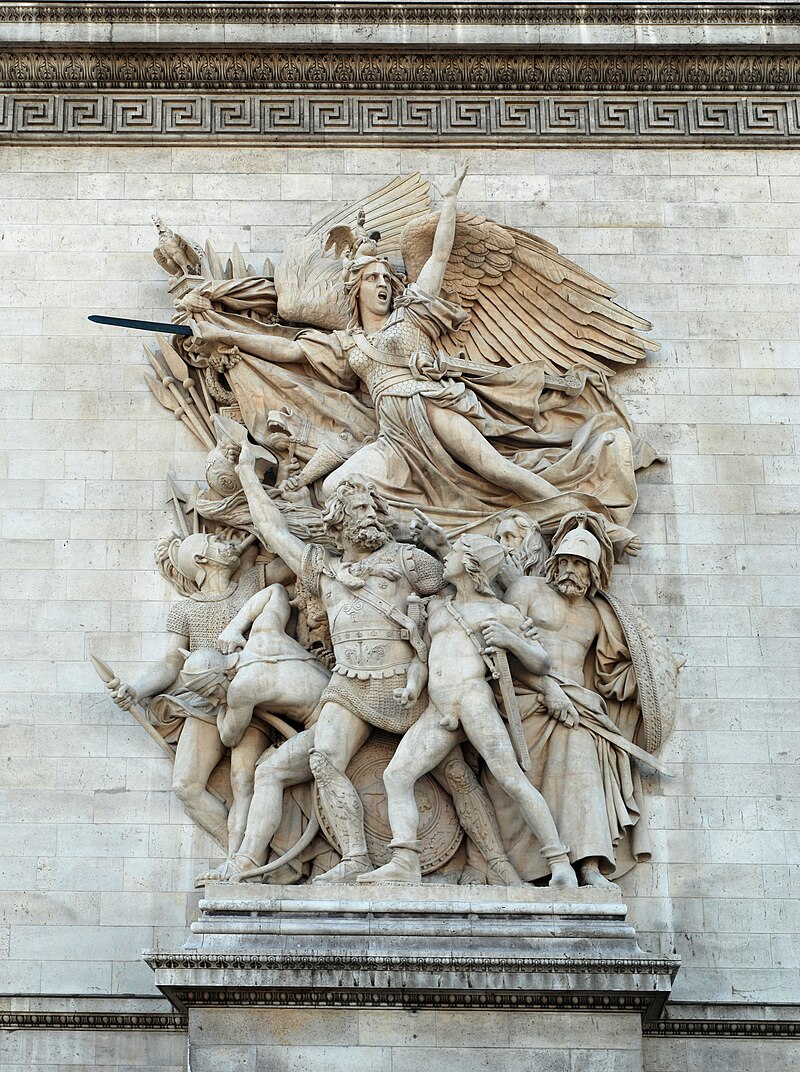
La Marseillaise
national anthem of France

Azərbaycan marşı
National anthem of Azerbaijan

State Anthem of the Russian Federation
national anthem

The Star-Spangled Banner
national anthem of the United States of America

God Save the King
national anthem of the United Kingdom and royal anthem of many Commonwealth realms

Shche ne vmerla Ukrainy i slava, i volia
national anthem of Ukraine with lyrics by Pavlo Chubynskyi and music by Mykhailo Verbytskyi

Deutschlandlied
The "'", officially titled "'", is a German poem written by August Heinrich Hoffmann von Fallersleben. A popular song which was made for the cause of creating a unified German state, it was adopted in its entirety in 1922 by the Weimar Republic, replacing the de facto anthem "Heil dir im Siegerkranz". The first stanza of "Deutschlandlied" was used alongside the "Horst-Wessel-Lied" during the Nazi regime from 1933 until the end of World War II. On the proclamation of the Federal Republic of Germany, the entirety of the song was still the official anthem, though only the 3rd verse was sung. Sinc

Kimigayo
is the national anthem of Japan. The lyrics are from a '''' poem written by an unnamed author in the Heian period (794–1185), making the lyrics of "Kimigayo" the oldest lyrics out of any national anthem, and the current melody was chosen in 1880, replacing an unpopular melody composed by John William Fenton in 1869. While the title "Kimigayo" is usually translated as "His Majesty's Reign", no official translation of the title or lyrics have been established in law.

Hatikvah
Hatikvah ( ; ) is the national anthem of the State of Israel. Part of 19th-century Jewish poetry, the theme of the Romantic composition reflects the 2,000-year-old desire of the Jewish people to return to the Land of Israel in order to reclaim it as a free and sovereign nation-state. The piece's lyrics are adapted from a work by Naftali Herz Imber, a Jewish poet from Złoczów, Austrian Galicia. Imber wrote the first version of the poem in 1877, when he was hosted by a Jewish scholar in Iași.
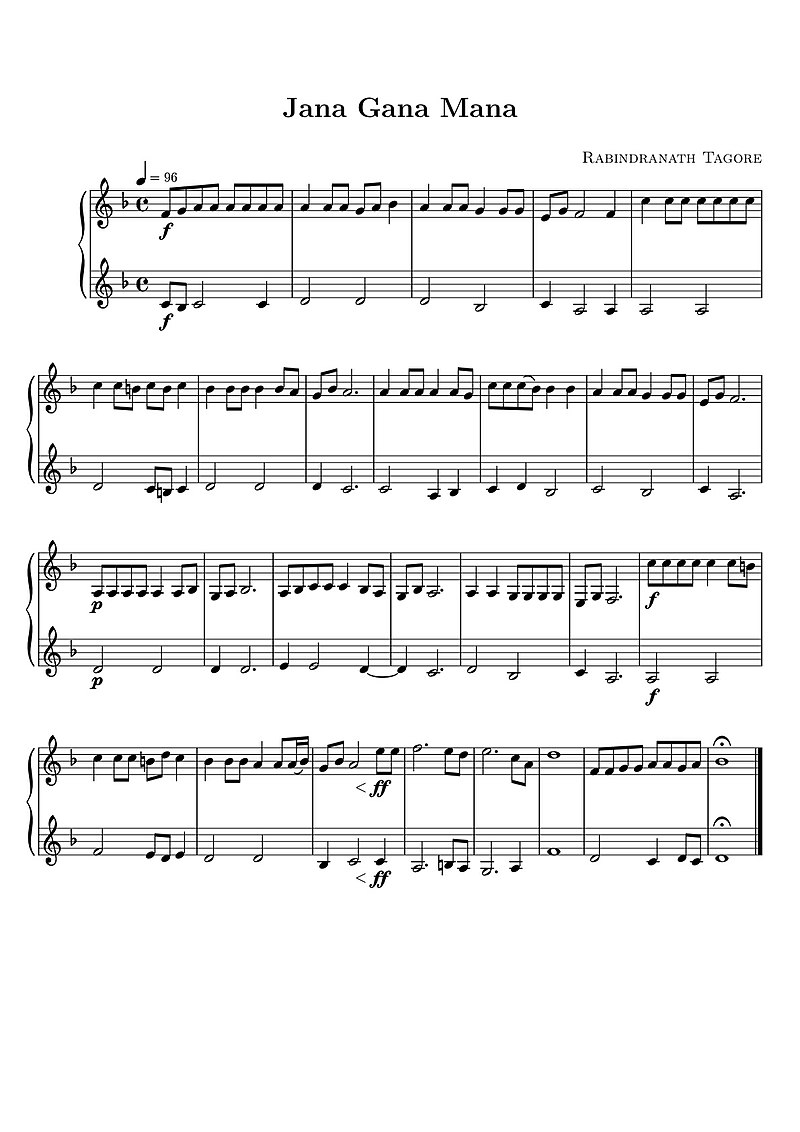
Jana Gana Mana
national anthem of India

Advance Australia Fair
song, and Australian national anthem

National Anthem of Chile
National Anthem of Chile

Himnusz
The "''''''" () is the national anthem of Hungary. The lyrics were written by Ferenc Kölcsey, a nationally renowned poet, in 1823, and its currently official musical setting was composed by the romantic composer Ferenc Erkel in 1844, although other lesser known musical versions exist. The poem bore the subtitle ('From Stormy Centuries of the Hungarian Folk'); it is often argued that this subtitle – by emphasising past rather than contemporary national troubles – was added expressly to enable the poem to pass Habsburg censorship. The full meaning of the poem's text is evident only to those well

Poland Is Not Yet Lost
national anthem of Poland

O Canada
national anthem of Canada

İstiklâl Marşı
national anthem of Turkey and Northern Cyprus

Wilhelmus
"Wilhelmus van Nassouwe", known simply as "Wilhelmus", is the national anthem of both the Netherlands and its sovereign state, the Kingdom of the Netherlands. It dates back to at least 1572, making it the oldest national anthem in use today, provided that the latter is defined as consisting of both a melody and lyrics. Although "Wilhelmus" was not recognized as the official national anthem until 1932, it has always been popular with parts of the Dutch population and resurfaced on several occasions in the course of Dutch history before gaining its present status. It was also the anthem of the N
Il Canto degli Italiani
national anthem of Italy
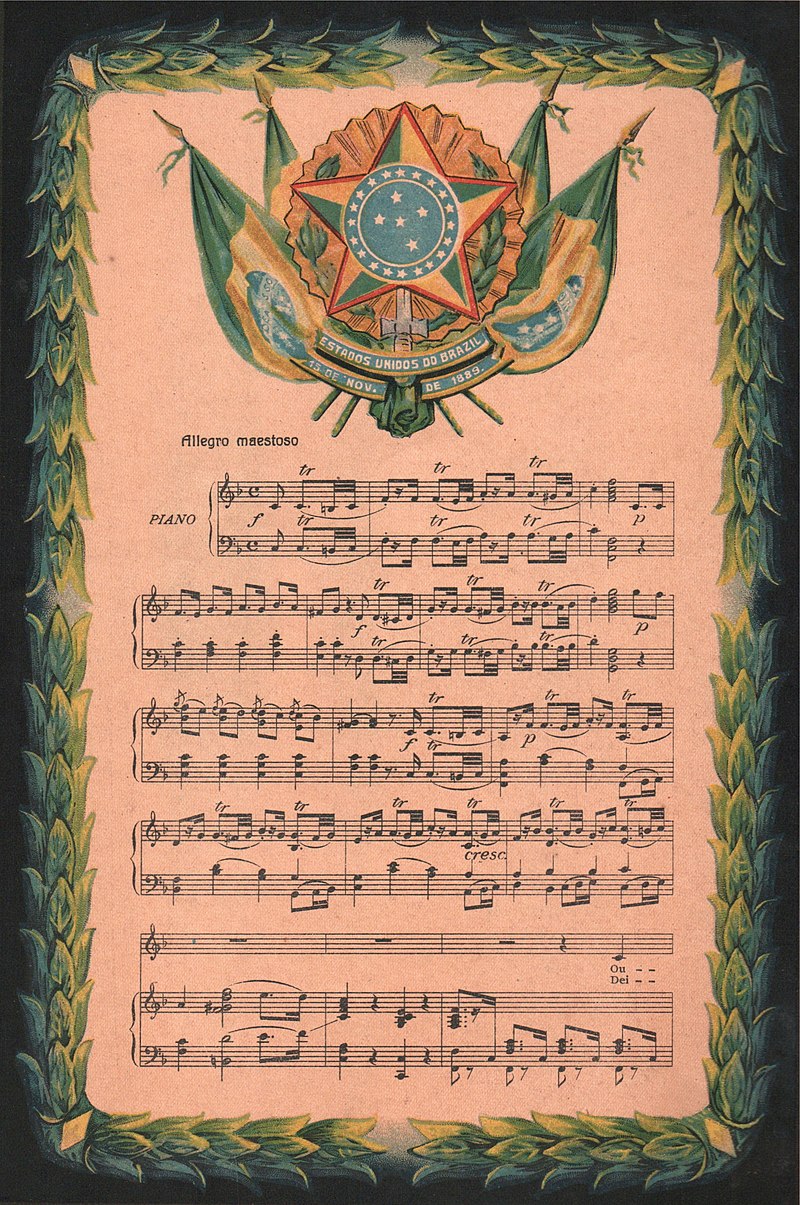
Brazilian National Anthem
1831 national anthem composed by Francisco Manuel da Silva with lyrics by Osório Duque-Estrada

Amhrán na bhFiann
the Irish national anthem

A Portuguesa
national anthem of Portugal

Ja, vi elsker dette landet
national anthem of Norway

Menıñ Qazaqstanym
national anthem of Kazakhstan

Kde domov můj
National Anthem of the Czech Republic

The Brabançonne
National anthem of Belgium

Mer Hayrenik
National anthem of Armenia

Mu isamaa, mu õnn ja rõõm
national anthem of Estonia

Argentine National Anthem
national anthem of Argentina

Hymn to Liberty
National anthem of Greece and Cyprus

My Belarusy
national anthem composed by Niescier Sakałoŭski with lyrics by Mikhas Klimkovich, Uladzimir Karyzna

El gran Carlemany
national anthem of Andorra

Lofsöngur
"'", also known by its incipit "'", is the national anthem of Iceland. Sveinbjörn Sveinbjörnsson composed the music, while the lyrics were authored by Matthías Jochumsson. It was adopted as the national anthem in 1944, when the country declared independence by voting to end its "personal union" and become a republic.
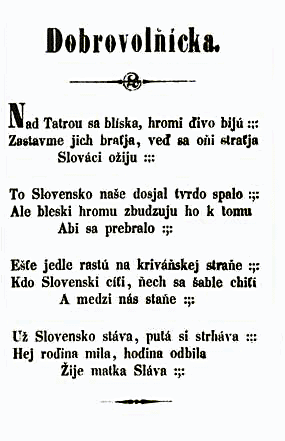
Nad Tatrou sa blýska
national anthem of Slovakia

Du gamla, du fria
national anthem of Sweden

Himni i Flamurit
national anthem

Aegukga
"'" (), often translated as "Patriotic Song'", is the national anthem of South Korea. It was adopted in 1948, the year the country's government was founded. Its music was composed in the 1930s and arranged most recently in 2018; its lyrics date back to the 1890s. The lyrics of "Aegukga" were originally set to the music of the Scottish song "Auld Lang Syne" before Ahn Eak-tai composed a unique melody specifically for it in 1936. Before the founding of South Korea, the version set to the music of "Auld Lang Syne" was sung, as well as when Korea was under Japanese rule by dissidents. The version

Maamme
"'" (), known by its original Swedish title as "" () and in English as "'", is the de facto national anthem of Finland. The music was composed by the German immigrant Fredrik Pacius, with original Swedish lyrics by Johan Ludvig Runeberg. It was first performed on 13 May 1848. Originally, it was written for the 500th anniversary of Porvoo, and for that occasion it was Runeberg himself who wrote the music.

Kassaman
"Kassaman", or "Qassaman" (, "we pledge", "the oath" or "we swear"), is the national anthem of Algeria. Moufdi Zakaria authored the lyrics, while the music was composed by Egyptian composer Mohamed Fawzi. The song was adopted as the national anthem in 1962, when the country gained independence from France.

Der er et yndigt land
National anthem of Denmark

Deșteaptă-te, române!
Romanian national anthem since 1989
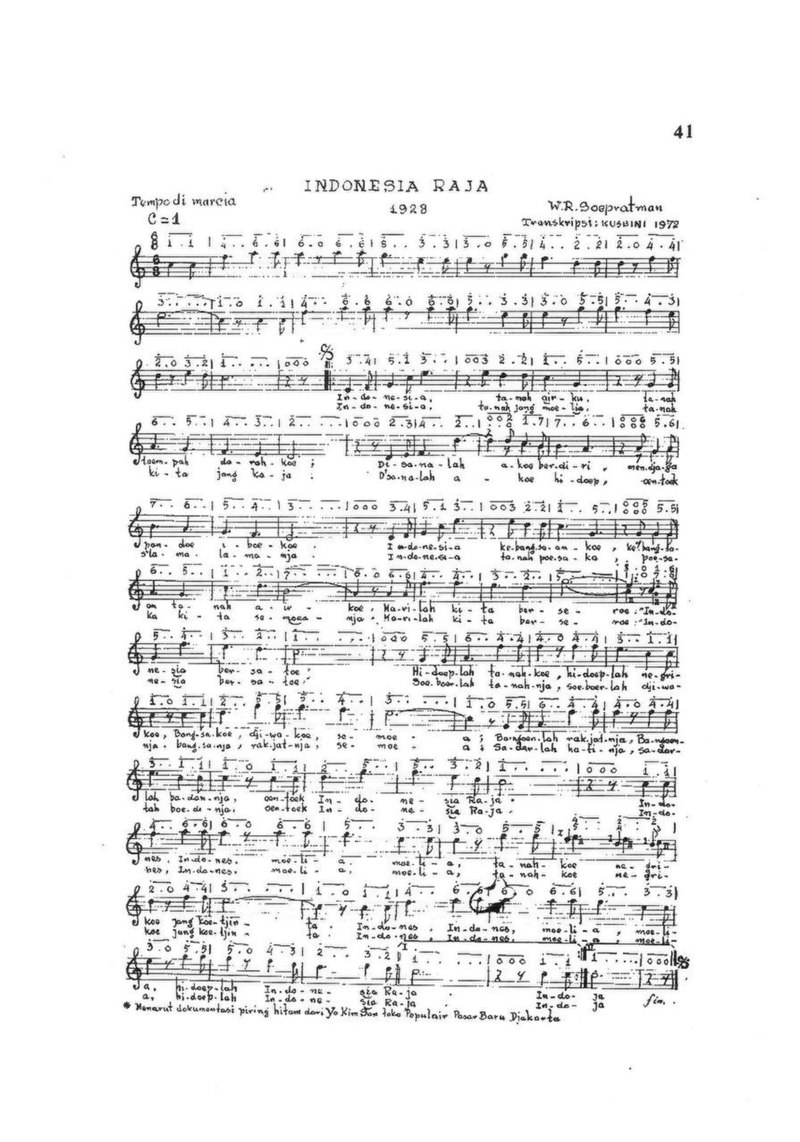
Indonesia Raya
Indonesian national anthem

Lijepa naša domovino
national anthem of Croatia

Bilady, Bilady, Bilady
national anthem

Tautiška giesmė
national anthem of Lithuania

Qaumi Taranah
national anthem of Pakistan

Aegukka
"'" (), officially translated as "Patriotic Song'", is the national anthem of North Korea. It was composed in 1945 as a patriotic song celebrating independence from Japanese occupation and was adopted as the state anthem in 1947.

Dievs, svētī Latviju!
national anthem

Tavisupleba
"''''''" (, ; ) is the national anthem of Georgia. It was adopted as the Georgian national anthem in May 2004, along with a new national flag and coat of arms. The symbols' change was brought about upon the successful overthrow of the previous government in the bloodless Rose Revolution. The music, taken from the Georgian operas Abesalom da Eteri ("Abesalom and Eteri") and Daisi ("The Nightfall"), by the Georgian composer Zacharia Paliashvili (), was adapted by Ioseb Kechakmadze () to form the anthem. The lyrics were written by David Magradze ().

Angola Avante
National anthem of Angola

Lupang Hinirang
national anthem of the Philippines

national anthem of South Africa
the South African national anthem

Swiss Psalm
national anthem of Switzerland

Bože pravde
national anthem of Serbia

Thai National Anthem
national anthem of Thailand
national anthem of Afghanistan
national anthem

Onward Singapore
national anthem of Singapore

National Anthem of Mexico
national anthem of the United Mexican States

God Defend New Zealand
one of two national anthems of New Zealand (together with “God Save the King/Queen”)

L-Innu Malti
national anthem