Category
page 1Natural resources

wood

soil
thumb|upright=1.25|Surface-water-Gley soil|gley developed in [[glacial till in Northern Ireland]]

natural resource
naturally occurring resource, including mineral resources (e.g. metal ores), mined fossil fuels (e.g. petroleum), water resources (e.g. lakes and groundwater), water energy resources, timber, arable land, game (e.g. deer), fish in water bodies, etc.

non-renewable resource
class of economic resources that natural processes do not readily replenish at practical rates
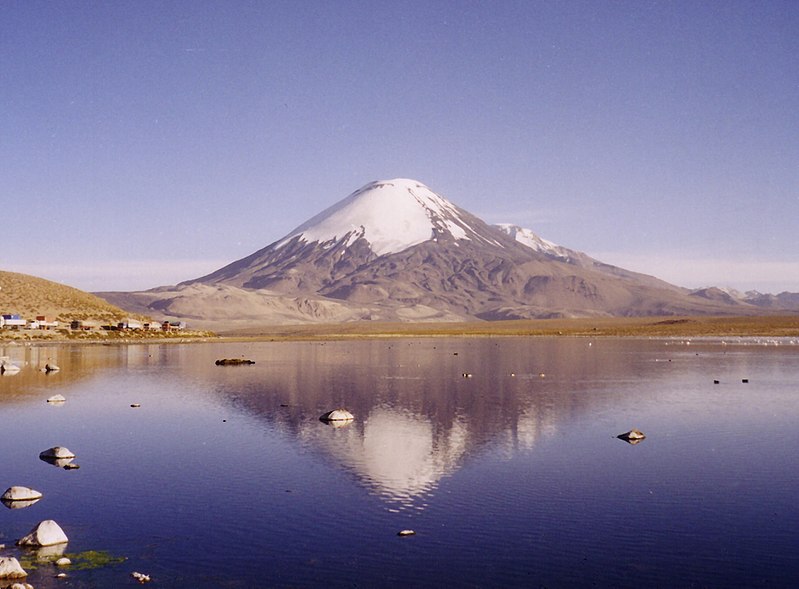
water resource
sources of water that are useful or potentially useful
green economy
economy based on ecological economics or a sustainable economy or sustainability-related sectors of an economy
ecological economics
research field on the interdependence of human economies and natural ecosystems
natural capital
world's stock of natural resources, which includes geology, soils, air, water and all living organisms
manganese nodule
rock concretion on the sea bottom made of layers of iron/manganese hydroxides
natural heritage
elements of biodiversity, including flora and fauna, ecosystems, fossils and geological structures
asteroid mining
mining on asteroids
land
(in economics) comprises all naturally occurring resources whose supply is inherently fixed
limiting factor
bottleneck variable limiting the evolution of a system
exploitation of natural resources
use of natural resources for economic growth
blue economy
economy relating to the exploitation and preservation of the marine environment
In-situ resource utilization
astronautical use of materials harvested in space

eco-investing
Eco-investing or green investing is a form of socially responsible investing where investments are made in companies that support or provide environmentally friendly products and practices. These companies encourage (and often profit from) new technologies that support the transition from carbon dependence to more sustainable alternatives. Green finance is "any structured financial activity that’s been created to ensure a better environmental outcome."

land cover
nature of the physical material at the surface of the earth
native hydrogen
hydrogen that is formed by natural process

extractivism
thumb|Example of extractivism: open-pit mining in Russia
thumb|Example of European extractivism: a quarry in the Apuan Alps, [[Italy. No Cav is an anti-extractivism movement fighting against this activity.]]
Extractivism is the removal of natural resources particularly for export with minimal processing. This economic model is common throughout the Global South and the Arctic region, but also happens in some sacrifice zones in the Global North in European extractivism. The concept was coined in Portuguese as "extractivismo" in 1996 to describe the for-profit exploitation of forest resources in
ecosystem health
metaphor used to describe the condition of an ecosystem
lunar resources
in situ resources on the Moon
renewable energy in Azerbaijan
environmental stewardship
core principle of social ecology
list of natural gas fields
Wikimedia list article
nutrient depletion
form of resource depletion characterized by loss of nutrients from part or all of an ecosystem
Energy quality
measure of the ease at which a form of energy can be converted