Category
page 1Necromancy

Hyoscyamus niger
species of plant

necromancy
thumb|upright=1.2|Illustration portraying a scene from the Bible wherein the Witch of Endor uses a necromantic ritual to conjure the spirit of Samuel at the behest of Saul; from the frontispiece of Sadducismus Triumphatus (1681) by [[Joseph Glanvill.]]
Witch of Endor
biblical character (First Book of Samuel)
Færeyinga Saga
literary work
Nekromanteion of Acheron
archaeological site in Greece

nekyia
thumb|upright=1|The Shade of Tiresias Appearing to [[Odysseus during the Sacrifice (c. 1780-85), painting by Johann Heinrich Füssli, showing a scene from Book Eleven of the Odyssey]]
Grógaldr
thumb|right|300px|''Groa's Incantation by W. G. Collingwood
Grógaldr or The Spell of Gróa is the first of two Old Norse poems, now commonly published under the title Svipdagsmál found in several 17th-century paper manuscripts with Fjölsvinnsmál. In at least three of these manuscripts, the poems are in reverse order and separated by a third eddic poem titled, Hyndluljóð. For a long time, the connection between the two poems was not realized, until in 1854 Svend Grundtvig pointed out a connection between the story told in Gróagaldr and the first part of the medieval Scandinavian ballad of Ungen
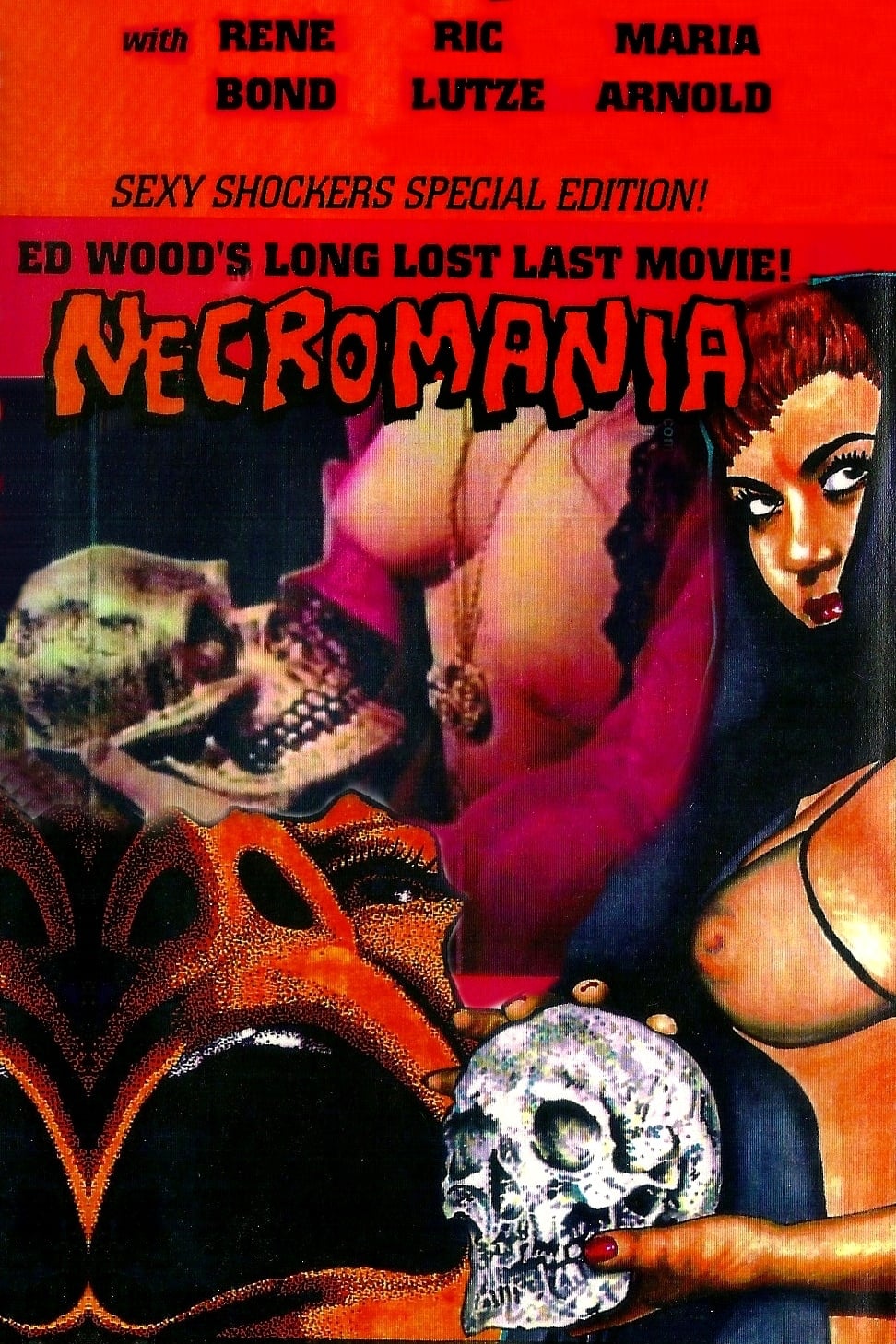
Necromania
Necromania (sometimes subtitled A Tale of Weird Love) is a pornographic horror film by Ed Wood, released in 1971. It was produced, written, directed and edited entirely by Wood. The screenplay was based on Wood's own novel, The Only House.
Johann Georg Schröpfer
German magician