Category
page 1Neo-Dada

Fluxus
thumb|Fluxus Manifesto, 1963, by George Maciunas
thumb|Poster to Festum Fluxorum Fluxus 1963.
Fluxus was an international, interdisciplinary community of artists, composers, designers, and poets during the 1960s and 1970s who, inspired by John Cage, engaged in experimental art performances which emphasized the artistic tradition of chance-based process over the finished product. Fluxus is known for experimental contributions to different artistic media and disciplines and for generating new art forms. These art forms include intermedia, a term coined by Fluxus artist Dick Higgins; conceptual a
Jean Tinguely
Swiss sculptor (1925–1991)

Neo-Dada
Neo-Dada was an art movement with audio, visual and literary manifestations that had similarities in method or intent with earlier Dada artwork. It sought to close the gap between art and daily life, and was a combination of playfulness, iconoclasm, and appropriation. In the United States the term was popularized by Barbara Rose in the 1960s and refers primarily, although not exclusively, to work created in that and the preceding decade. There was also an international dimension to the movement, particularly in Japan and in Europe, serving as the foundation of Fluxus, Pop Art and Nouveau réali

Jim Dine
American painter, sculptor, and printmaker (born 1935)
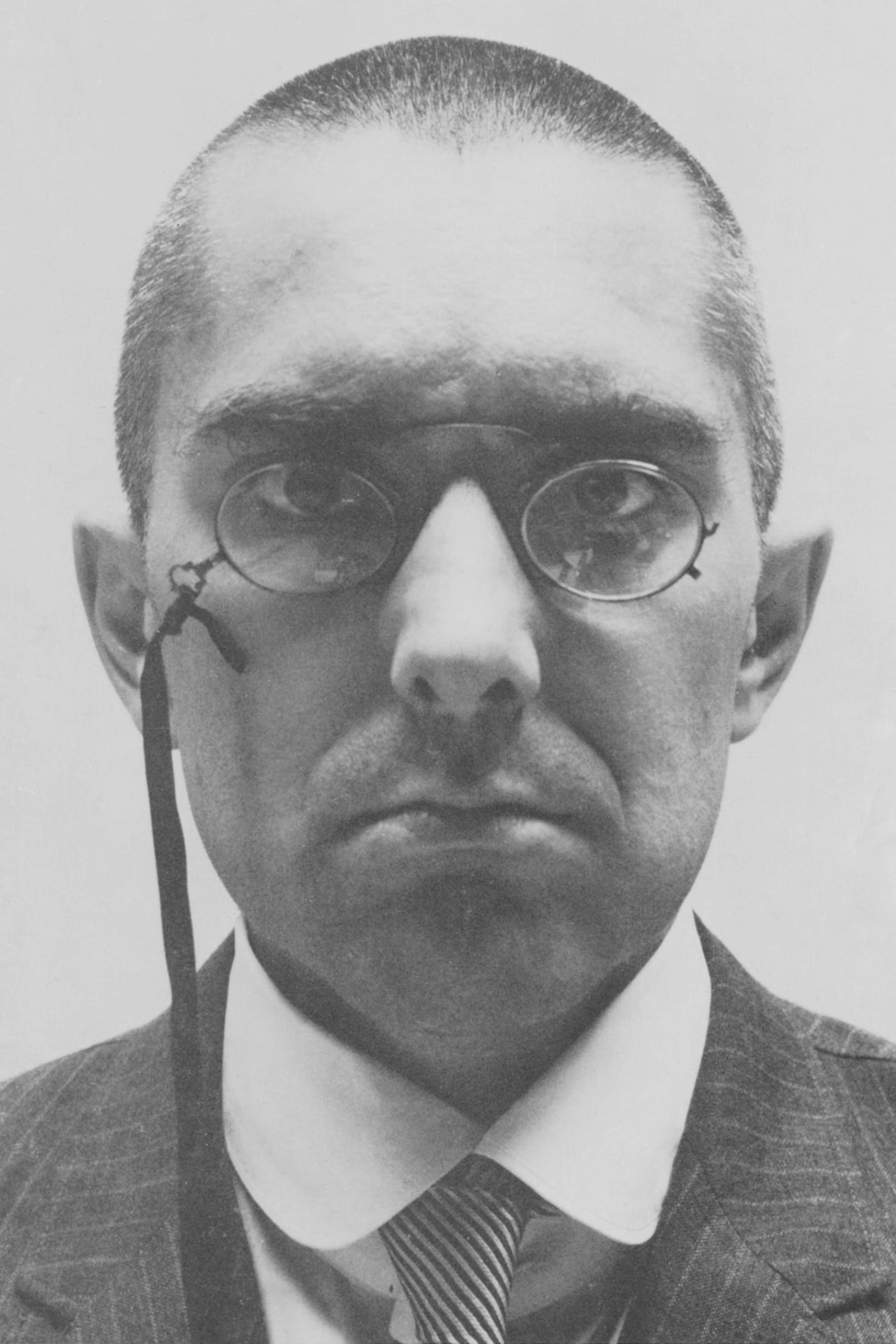
George Maciunas
Lithuanian artist (1931–1978)
Genpei Akasegawa
Japanese artist, photographer and writer (1937–2014)

Shusaku Arakawa
Japanese artist and architect (1936-2010)
The Gerogerigegege
Japanese band

Sașa Pană
Romanian writer (1902-1981)

Arthur Köpcke
German painter and sculptor (1928-1977)
Guglielmo Achille Cavellini
Italian artist and art collector (1914-1990)
Zoogz Rift
American musician and professional wrestler
Eric Andersen
Danish artist associated with the Fluxus art movement
Tetsumi Kudo
Japanese painter, sculptor, and performance artist (1935-1990)
Kaloust Guedel
American painter