Category
page 1Neo-romanticism
Dohány Street Synagogue
Synagogue in Budapest, Hungary

Neo-romanticism
thumb|300px| Pena Palace in [[Sintra, Portugal one of the points of reference for Neo-Romantic architecture]]
The term neo-romanticism is used to cover a variety of movements in philosophy, literature, music, painting, and architecture, as well as social movements, that exist after and incorporate elements from the era of Romanticism.
Uladzimir Karatkievich
Belarusian writer (1930–1984)
New Romantic
1970s British pop culture movement
Young Poland
1890–1918 modernist arts movement in Poland
Young Estonia
Estonian literary group

Siuru
thumb|Members of Siuru group, rear: Peet Aren, Otto Krusten; front row: Friedebert Tuglas, Arthur Adson, Marie Under, August Gailit, Johannes Semper and Henrik Visnapuu
The Siuru literary movement, named after a fire-bird in Finnic mythology, was founded in 1917 in Estonia. It was an expressionistic and neo-romantic movement that ran counter to the Young Estonia formalist tradition.
Seven Saints Church
church building in Sofia, Bulgaria

Ukrainian National Revival
social and political movement in Ukraine, from the late eighteenth to the end of the nineteenth centuries
neoromanticism in music
artistic concept
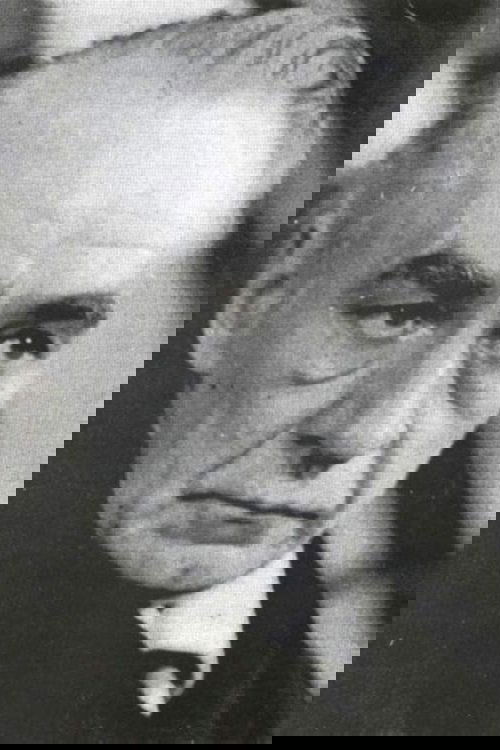
Emil Botta
Romanian actor and poet (1911–1977)
Khlopoman
thumb|250px|Painter and playwright Stanisław Wyspiański, self-portrait with peasant wife Teofilia Pytko, 1904
Chłopomania () or Khlopomanstvo ( ) are historical and literary terms inspired by the Young Poland modernist movement and the Ukrainian Hromady. The expressions refer to the intelligentsia's fascination with, and interest in, the peasantry in late-19th-century Galicia and right-bank Ukraine.
Makó Ortodox Synagogue
synagogue in Makó, Hungary
Sămănătorul
Sămănătorul or Semănătorul (, Romanian for "The Sower") was a literary and political magazine published in Romania between 1901 and 1910. Founded by poets Alexandru Vlahuță and George Coșbuc, it is primarily remembered as a tribune for early 20th century traditionalism, neoromanticism and ethnic nationalism. The magazine's ideology, commonly known as Sămănătorism or Semănătorism, was articulated after 1905, when historian and literary theorist Nicolae Iorga became editor in chief. While its populism, critique of capitalism and emphasis on peasant society separated it from other conservative gr
Radu D. Rosetti
Romanian poet, playwright and attorney
Paul Drury
British academic (1903-1987)
Chhayavaad
thumb|180px|right|The first issue of Matwālā|Matvala, a notable magazine that played a significant role in the development of Chāyāvād.
Chhayavad (ISO: ) refers to the era of mystical-romanticism in Hindi literature, particularly poetry, spanning approximately from mid-1910s to early-1940s. It emerged as a reaction to the didacticism of its previous poetic movement - the Dwivedi era - as well as the courtly traditions of poetry.
Tyzen Hsiao
Taiwanese composer (1938–2015)
Fănuș Neagu
Romanian writer, playwright and screenwriter (1932-2011)
Aleksandar Đokić
Serbian architect (1936–2002)