Category
page 1Neococcoids
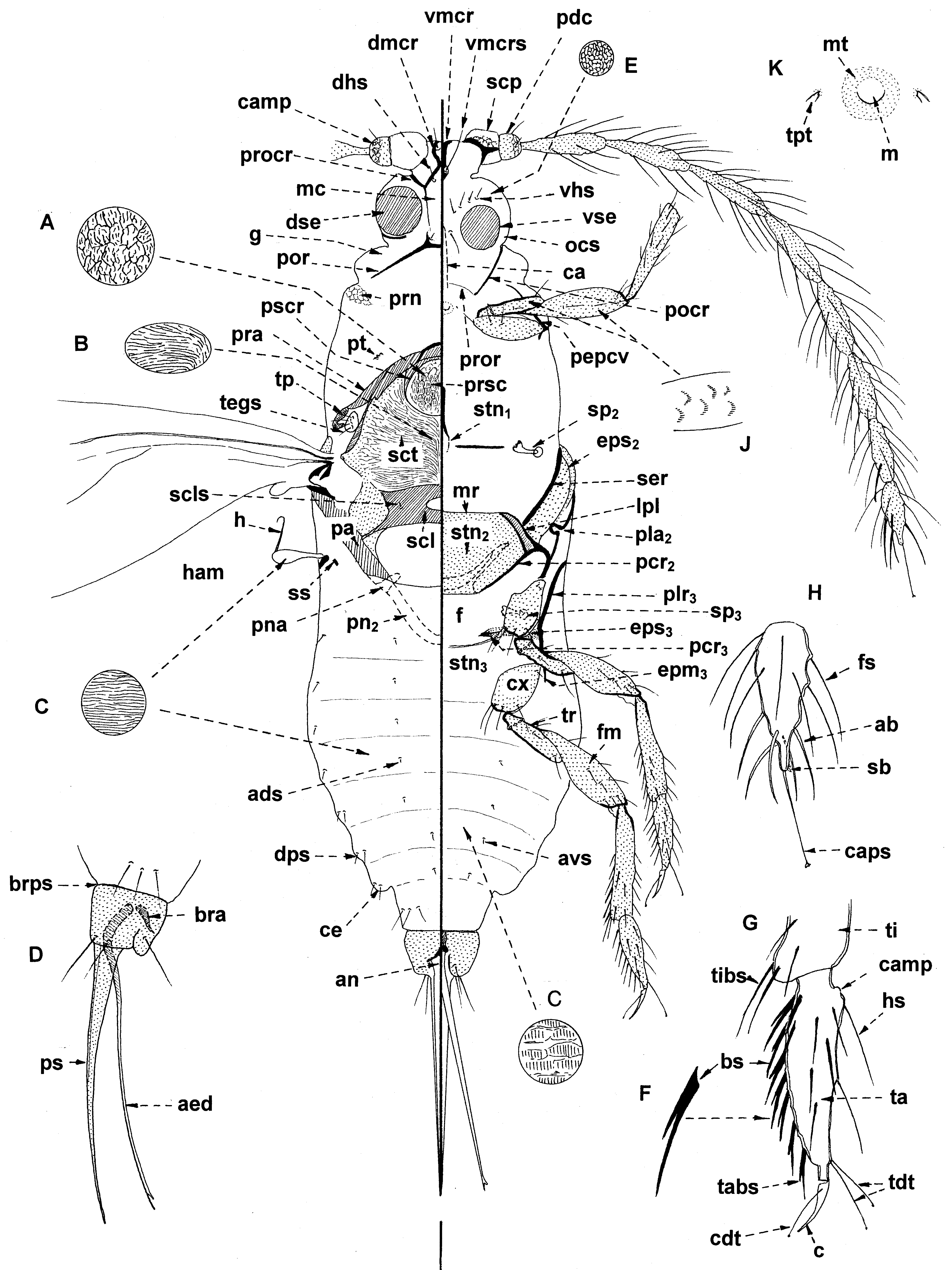
Diaspididae
Diaspididae is the largest family of scale insects with over 2650 described species in around 400 genera. As with all scale insects, the female produces a waxy protective scale beneath which it feeds on its host plant. Diaspidid scales are far more substantial than those of most other families, incorporating the exuviae from the first two nymphal instars and sometimes faecal matter and fragments of the host plant. These can be complex and extremely waterproof structures rather resembling a suit of armor. For this reason these insects are commonly referred to as armored scale insects. As it is

Kerriidae
Kerriidae is a family of scale insects, commonly known as lac insects or lac scales, erected by Karl Lindinger in 1937.
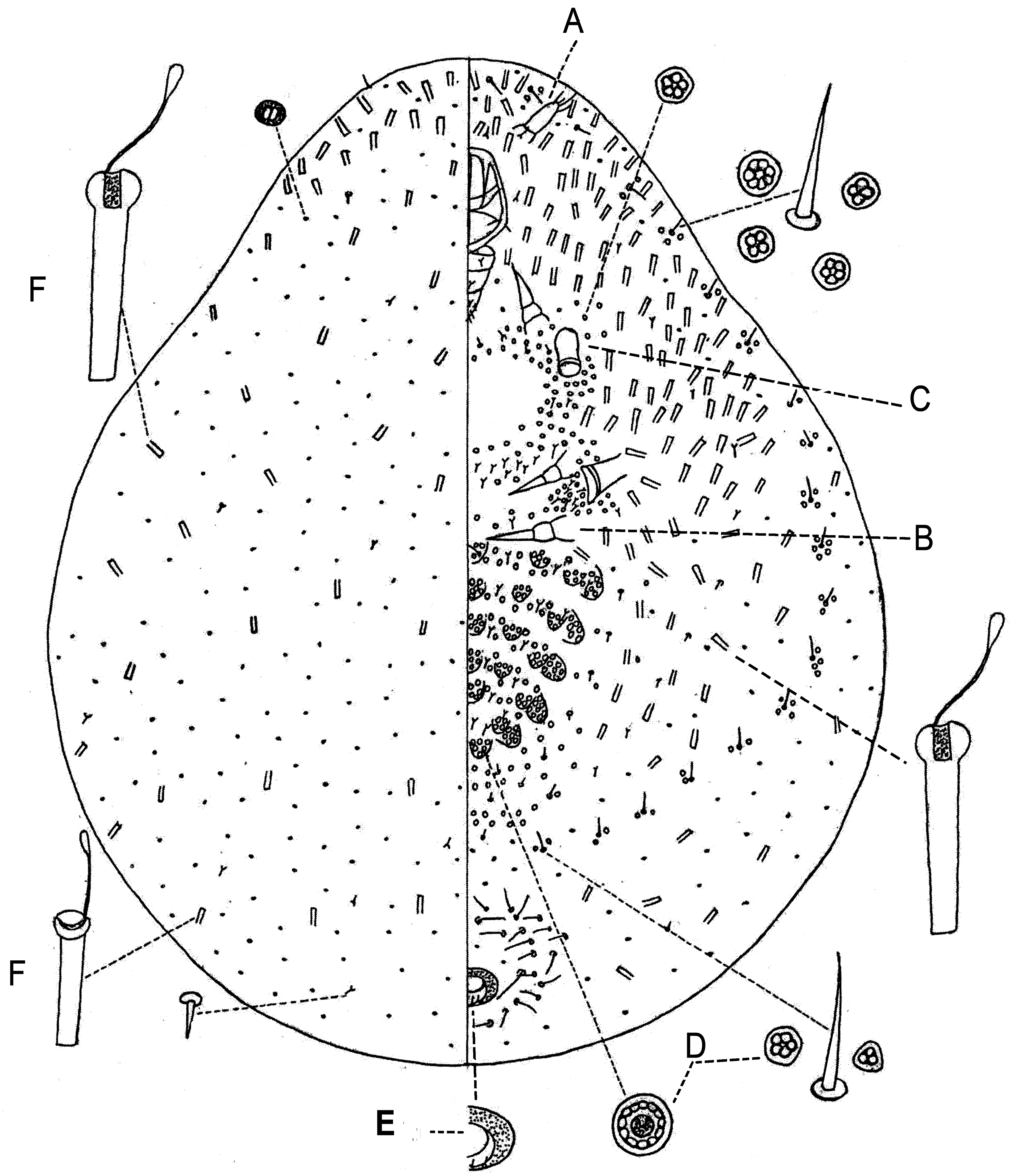
Kermesidae
The Kermesidae, or gall-like scales, are a family of scale insects belonging to the superfamily Coccoidea. The type genus, Kermes, includes the kermes scale insects, from which a red dye, also called kermes (a.k.a. crimson), is obtained. The family includes about 100 species in 10 genera found in the Nearctic, Indomalayan and Palaearctic realms.

Eriococcidae
thumb|Galls formed by Apiomorpha conica
thumb|Adult female of Callococcus pulchellus
Eriococcidae is a family of scale insects in the order Hemiptera. They are commonly known as felt scales or eriococcids. As of 2023, there are 109 genera and 681 species. Each species is usually specific to a different plant host, or closely related group of hosts.

Aclerdidae
Aclerdidae are a family of Coccoidea, the scale insects. They are usually found on grasses, sucking sap from the stem, inside the leaf sheaths.

Asterolecaniidae
thumb | right | alt=Asterodiaspis variolosa | Asterodiaspis variolosa
Asterolecaniidae is a family of scale insects commonly known as pit scales or asterolecaniids. They typically cause a depression in the host plant's tissues and often cause distortion of the shoots. They are found on a range of hosts but are especially common on oaks, bamboos and a number of ornamental plants. Members of this family occur in most regions of the world but are most abundant in the northern hemisphere. There are about 25 genera and 243 recorded species.
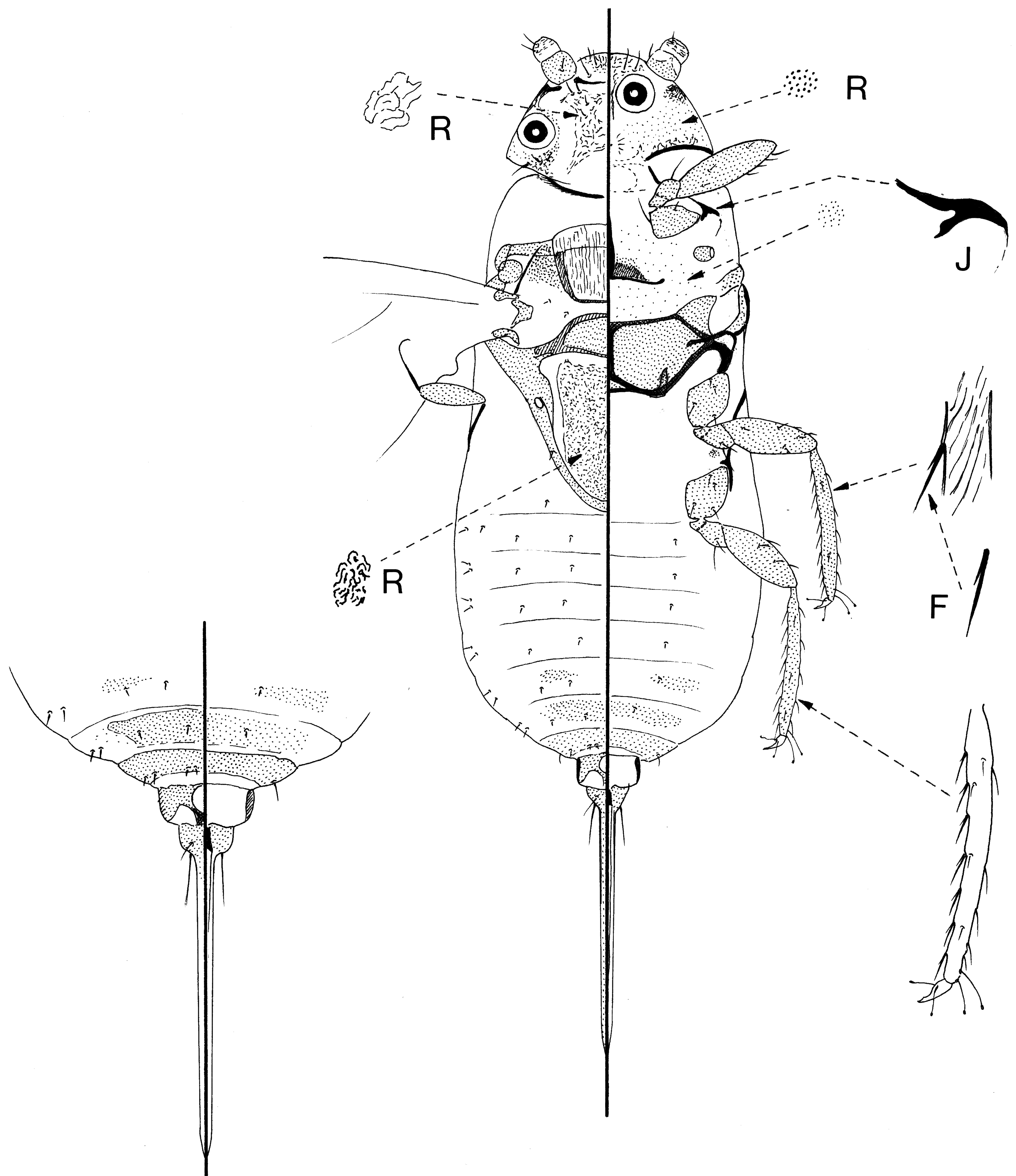
Conchaspididae
Conchaspididae is a small family of scale insects known as false armoured scales because of their resemblance to Diaspididae (but not incorporating exuviae on their body).

Cerococcidae
Cerococcidae is a family of scale insects commonly known as ornate pit scales or cerococcids. There are 83 species in 5 genera. Members of this family occur in all regions of the world.
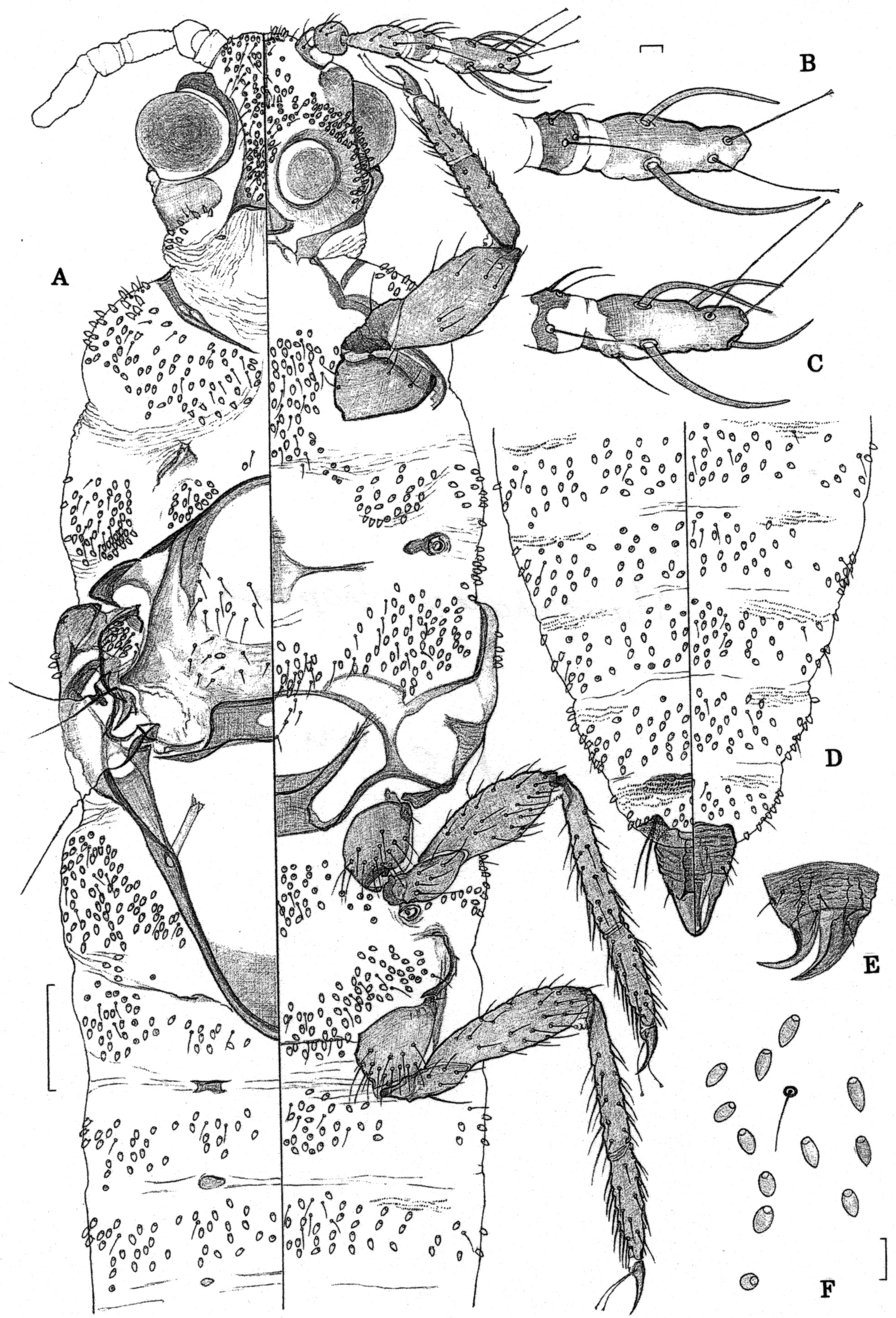
Beesoniidae
Beesoniidae is a family of scale insects commonly known as beesoniids. They typically cause galls on their plant hosts. Members of this family mostly come from southern Asia. The family name comes from the type genus Beesonia which is named after the entomologist C.F.C. Beeson who obtained the specimens from which they were described and named.
Carayonemidae
Carayonemidae is a family of scale insects commonly known as carayonemids. They typically live among mosses and leaf litter which is unusual for scale insects. Members of this family come from Neotropical areas of South and Central America.
Halimococcidae
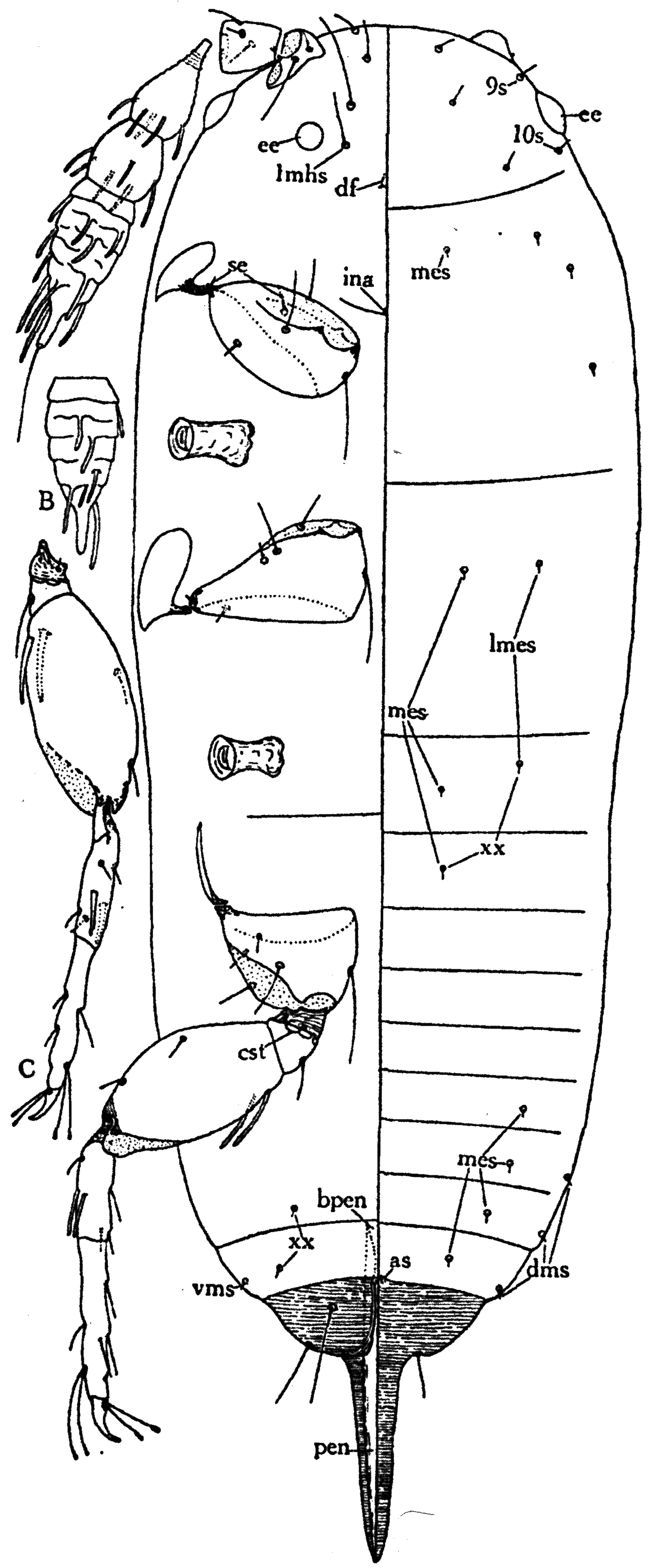
Halimococcidae is a family of scale insects in the order Hemiptera. Members of the family are commonly known as pupillarial palm scales or halimococcids. Most species are found on the leaves of palm trees where they suck sap, but some species occur on Pandanus. The family was named by Brown and McKenzie in 1962 and includes five known genera and twenty one species.
Micrococcidae
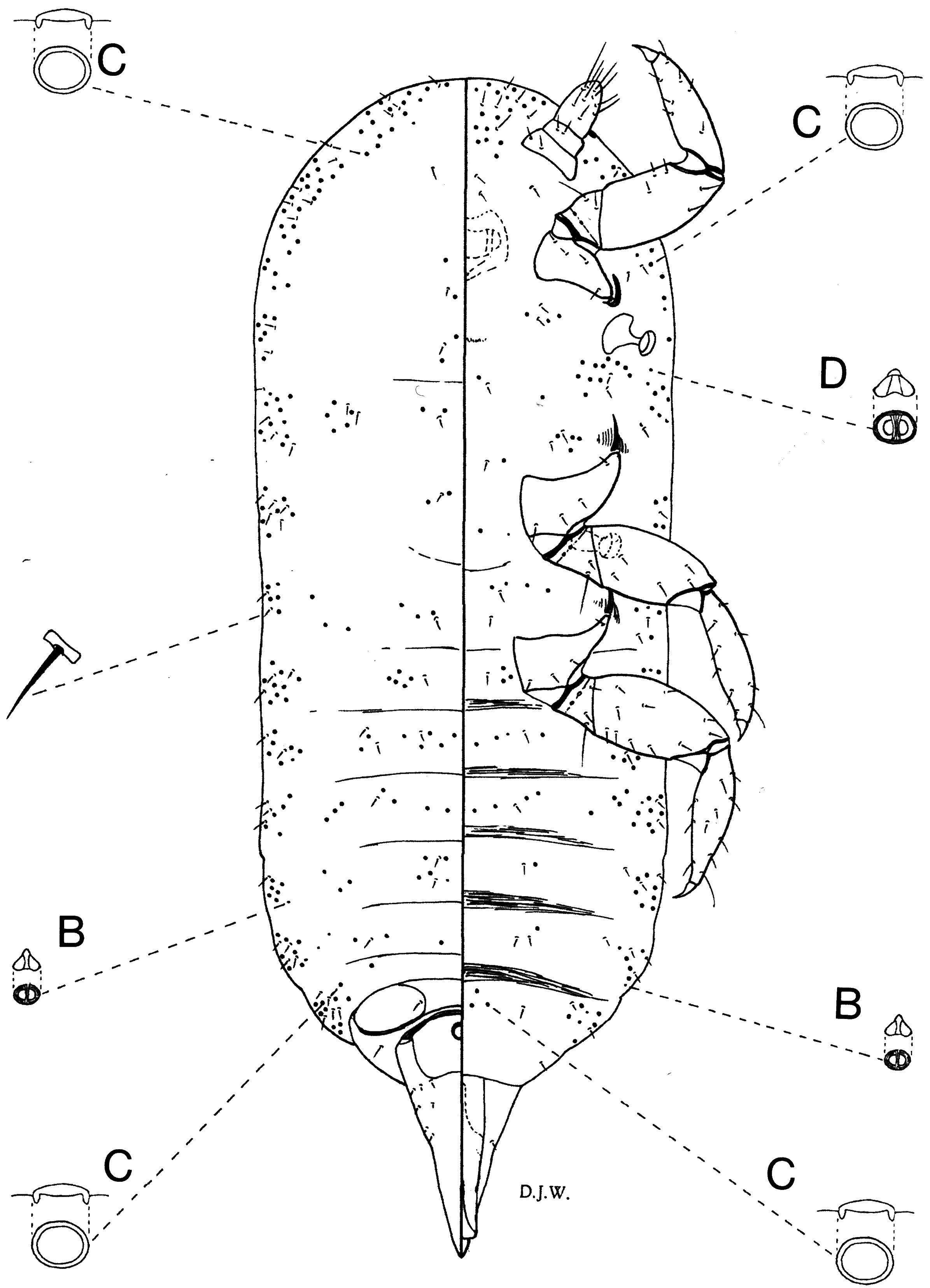
Micrococcidae is a family of scale insects commonly known as the Mediterranean scales. There are two genera and eight species. Members of this family are found in Cyprus, Italy and other Mediterranean countries including Egypt, France, Greece, Israel, Lebanon, Libya, Syria and Turkey.
Stictococcidae
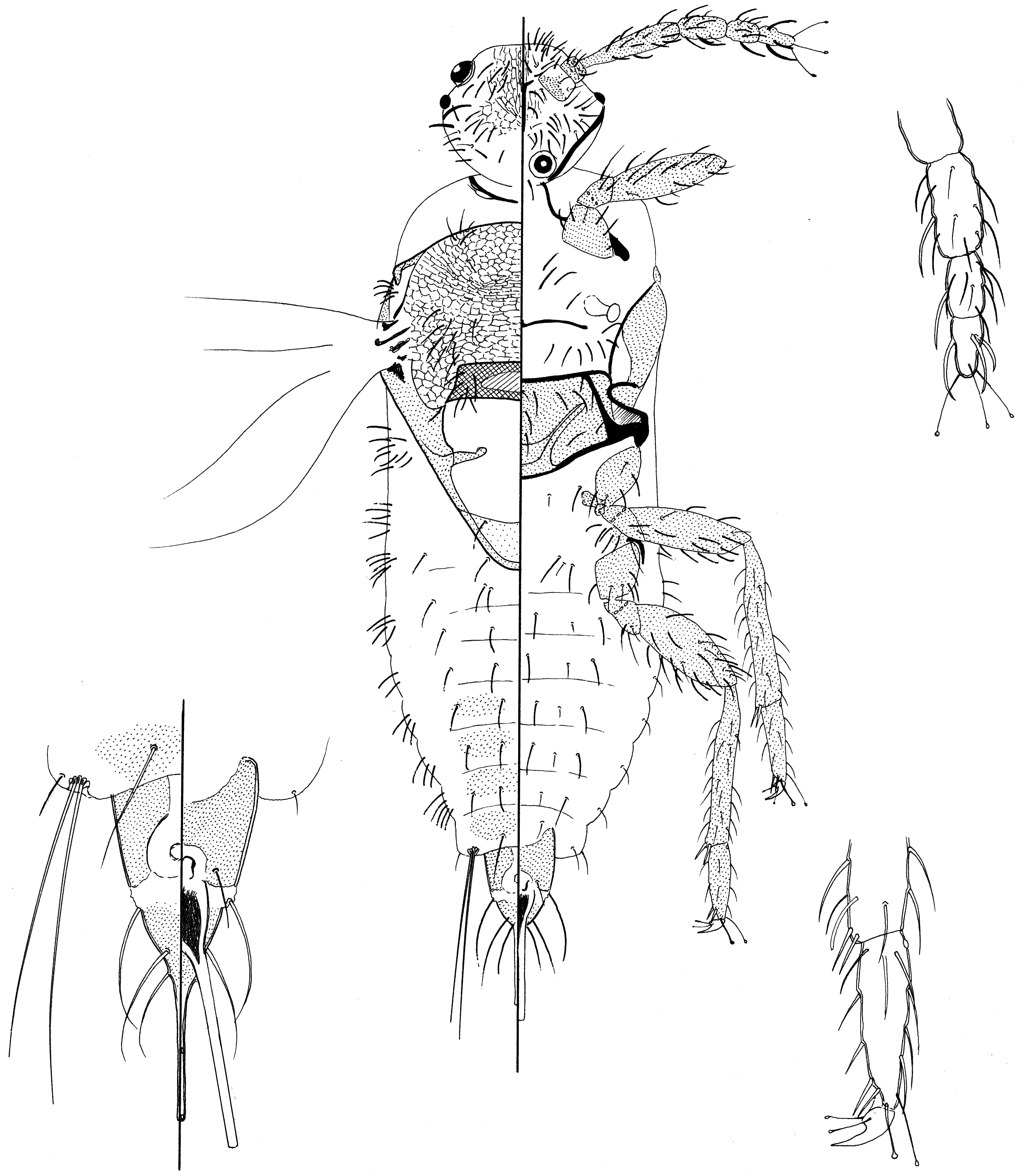
Stictococcidae is a family of scale insects commonly known as stictococcids. There are three genera containing about seventeen species and members of this family are found only in Afrotropical regions.