Category
page 1Neoconservatism

Bernard-Henri Lévy
French film director and philosopher

neoconservatism
Neoconservatism (colloquially neocon) is a political movement that combines features of traditional political and social conservatism with individualism and a qualified endorsement of free markets along with the assertive promotion of democracy and national interest, including through military means.

Paul Wolfowitz
American politician and diplomat (born 1943)

Operation Condor
series of anti-communist, anti-dissent campaigns in South America
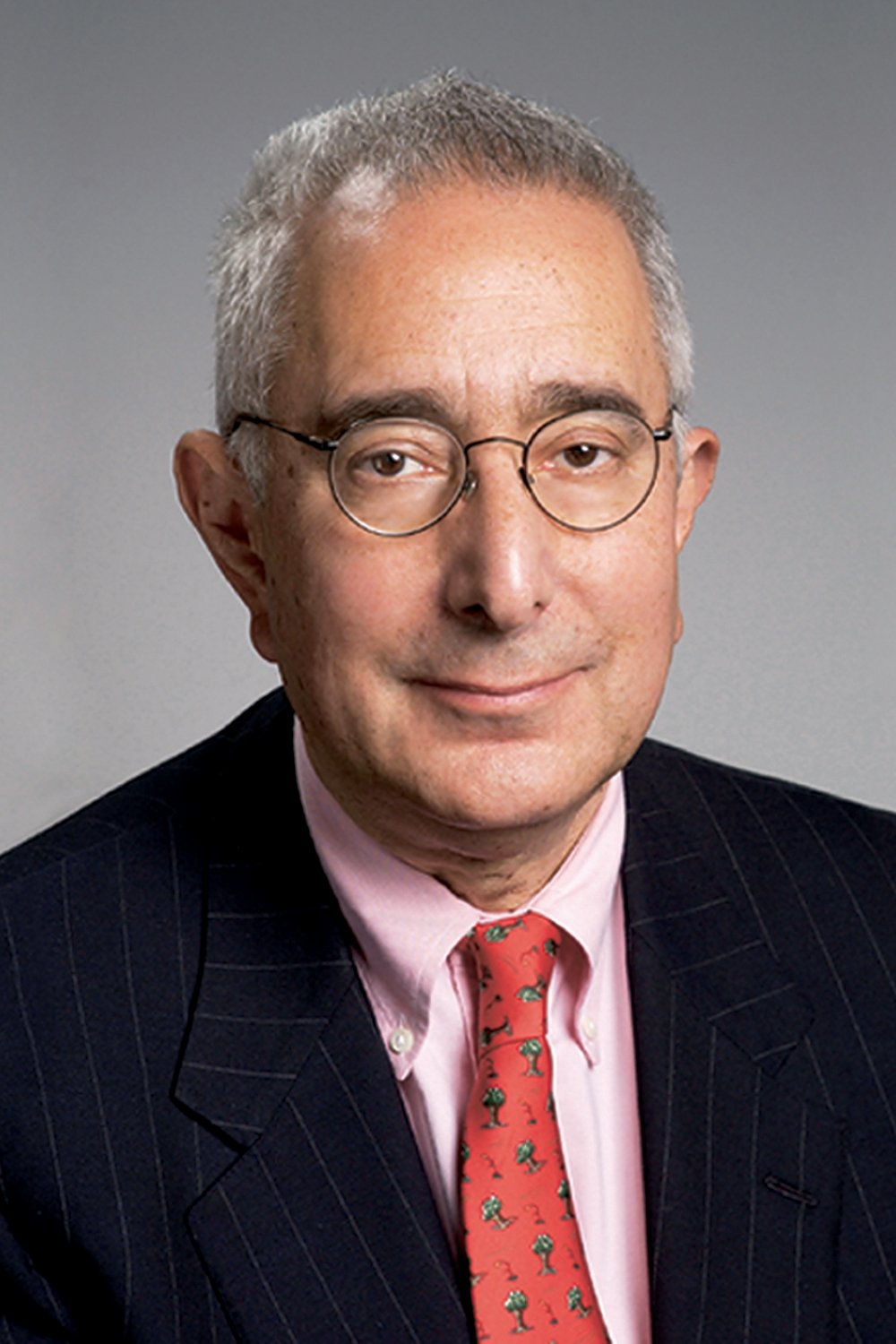
Ben Stein
American actor, writer, commentator, lawyer, teacher, humorist

Joe Lieberman
American politician (1942–2024)

axis of evil
group of countries identified collectively as enemies by U.S. President George W. Bush during the 2000s

austerity
In economic policy, austerity is a set of political-economic policies that aim to reduce government budget deficits through spending cuts, tax increases, or a combination of both. There are three primary types of austerity measures: higher taxes to fund spending, raising taxes while cutting spending, and lower taxes and lower government spending. Austerity measures are often used by governments that find it difficult to borrow or meet their existing obligations to pay back loans. The measures are meant to reduce the budget deficit by bringing government revenues closer to expenditures. Propone
Washington Consensus
broad set of economic policies commonly prescribed by institutions based in Washington D.C. such as the International Monetary Fund (IMF) and World Bank
Project for the New American Century
former American neoconservative think tank
American Enterprise Institute
American conservative think tank founded in 1938
Hudson Institute
American think tank
market fundamentalism
strong belief in the ability of unregulated laissez-faire or free market policies to solve most economic and social problems
Commentary
American magazine
Ted Deutch
American politician and attorney (born 1966)
The Weekly Standard
American opinion magazine (1995–2018)
cuckservative
"Cuckservative" is a pejorative formed as a portmanteau of "cuck", an abbreviation of the word "cuckold", and the political designation "conservative". It has become a derogatory label used by white nationalists and the alt-right in the United States to denigrate other conservatives, generally for being moderates, and later for not supporting white-nationalist interests.

Bret Stephens
American journalist
Albert Wohlstetter
American political scientist
Eliot A. Cohen
American neoconservative military historian
Joseph Epstein
American essayist, short story writer and editor (born 1937)
Eugene V. Rostow
American legal scholar and public servant (1913–2002)
Michael Gerson
American political speechwriter and columnist (1964–2022)
Foundation for Defense of Democracies
think tank and policy institute originally funded by the Abramson Family Foundation
Henry Jackson Society
organization
Michael Ledeen
American historian and foreign policy analyst

Hilton Kramer
American art critic and cultural commentator (1928–2012)
Midge Decter
American journalist and author (1927–2022)
Theoconservatism
political ideology
Rodrigo Constantino
Brazilian columnist
post-industrial economy
type of economy
Tudjmanism
thumb|Franjo Tuđman, [[President of Croatia from 1991 until 1999]]
Tuđmanism or Tudjmanism () is a form of Croatian nationalism which reached its strongest peak during the administration of Croatia's first president, Franjo Tuđman. Tuđman himself defined the ideology as non-communist nationalism with "re-examined Croatian history".
Marc Thiessen
American writer
The Washington Free Beacon
conservative American news organization
Blue Team
American anti-China political lobby

Tikvah Fund
conservative Jewish-American organization (1992-)
Foreign Policy Initiative
American think tank
Daniel Gordis
American-Israeli historian, writer and rabbi
gremialismo
Gremialismo, or guildism, is a right-wing to far-right social, political, and economic ideology, inspired by Catholic social teachings that claims that every correct social order should base itself in intermediary societies between persons and the state, which are created and managed in freedom, and that the order should serve only the purposes for which they were created.
Fred Hiatt
American journalist (1955–2021)
Lulu Schwartz
American journalist, columnist and author

Hal Brands
American Political Scientist