Category
page 1Noh

noh
is a major form of classical Japanese dance-drama that has been performed since the 14th century. It is Japan's oldest major theater art that is still regularly performed today. Noh is often based on tales from traditional literature featuring a supernatural being transformed into a human hero who narrates the story. Noh integrates masks, costumes and various props in a dance-based performance, requiring highly trained actors and musicians. Emotions are primarily conveyed by stylized conventional gestures while the iconic masks represent specific roles such as ghosts, women, deities, and demon

kyōgen
is a form of traditional Japanese comic theater. It developed alongside Noh, was performed along with Noh as an intermission of sorts between Noh acts on the same stage, and retains close links to Noh in the modern day; therefore, it is sometimes designated Noh-kyōgen. Its contents are nevertheless not at all similar to the formal, symbolic, and solemn Noh theater; kyōgen is a comic form, and its primary goal is to make its audience laugh.

hannya
thumb|Wooden mask at the Tokyo National Museum. [[Edo period, 1600s or 1700s. Important Cultural Property.]]
The is a mask used in a traditional Japanese Noh theater, representing a jealous female demon. It is characterized by two sharp bull-like horns, metallic eyes, and a leering mouth. In Noh plays, the type of mask changes according to the degree of jealousy, resentment, and anger of the female characters. The is a mask that represents a female even more resentful, jealous, and angry than the , a woman on the verge of becoming a demoness.

sarugaku
thumb|A sarugaku troupe
thumbnail|Stage for Sarugaku at Nogohakusan-Shinto shrine|jinja, [[Ibigawa, Gifu, Japan]]
was a form of theatre popular in Japan during the 11th to 14th centuries. One of its predecessors was a , a form of entertainment reminiscent of the modern-day circus, consisting mostly of acrobatics, juggling, and pantomime, sometimes combined with drum dancing. Sangaku came from China to Japan in the 8th century and there mingled with indigenous traditions, particularly the harvest celebrations of dengaku.
National Noh Theatre
Noh theatre in Shibuya, Tokyo, Japan
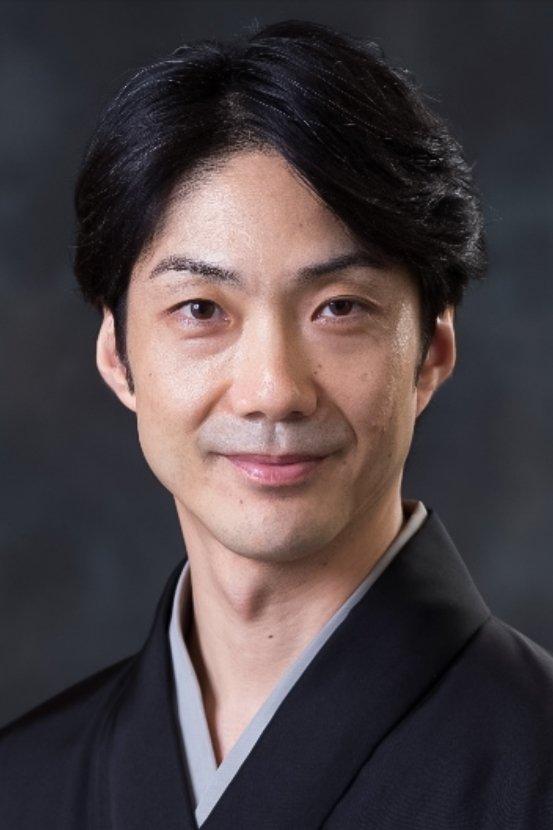
Mansai Nomura II
Japanese nōgaku artist
-fol26-shojo.jpg)
Shōjō
thumb|A shōjō rolling a ( barrel of sake).
Sada Shrine
Shinto shrine in Shimane Prefecture, Japan
Hata no Kawakatsu
government official in the Asuka period in Japan
Kanze
Noh school
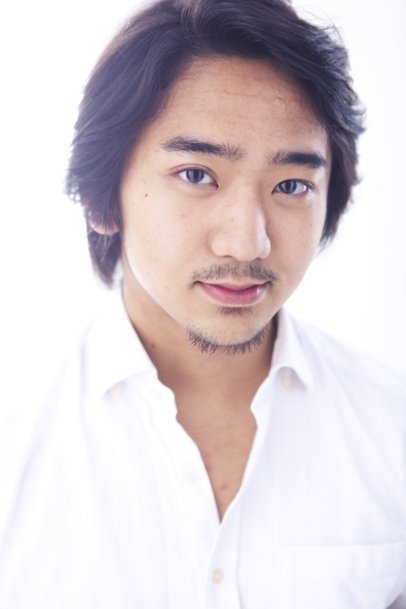
Tanroh Ishida
Japanese actor
Kurama Tengu
thumb|right|250px|Scene from Kurama-tengu, woodblock print by Tsukioka Kōgyo, from the series Nōgaku hyakuban or One Hundred Noh Plays ([[National Noh Theatre)]]
is a Noh play from the fifteenth century, concerned with the childhood experiences of the samurai hero Minamoto no Yoshitsune.
Umewaka Minoru I
Japanese actor (1828–1909)
Michiyuki
is the term for a journey scene in Japanese theatre, which shows the characters dancing or conversing while travelling.
Ukai
Noh play
hayashi
group of musical performers