Category
page 1Nonviolence
.jpg)
peace
thumb|upright=.8|Peace dove statue in [[Lomé, Togo, Africa. The dove and the olive branch are the most common symbols associated with peace.]]
thumb|upright|Statue of Eirene (goddess)|Eirene, goddess of peace in ancient Greek religion, with the infant [[Plutus]]
Peace is a state of harmony in the absence of hostility and violence. In a societal sense, peace is commonly used to mean a lack of conflict and freedom from fear of violence between individuals or groups.

vegetarianism
Vegetarianism is the practice of abstaining from the consumption of meat (red meat, poultry, seafood, freshwater fish, insects, and the flesh of any other animal). It may also include abstaining from eating all by-products of animal slaughter. A person who practices vegetarianism is known as a vegetarian.

civil disobedience
active, professed refusal to obey certain laws, demands, and commands of a government, or of an occupying international power

nonviolence
thumb|Mahatma Gandhi, often considered a founder of the modern nonviolence movement, spread the concept of [[ahimsa through his movements and writings, which then inspired other nonviolent activists.]]

satyagraha
thumb|Mahatma Gandhi leading the famous 1930 [[Salt March, a notable example of satyagraha.]]

Do not buy Russian goods!
nonviolent resistance campaign to boycott Russian commerce

green politics
political ideology that aims to create an ecologically sustainable society rooted in environmentalism, social justice, and grassroots democracy

International Day of Non-Violence
observed on 2 October, the birthday of Mohandas Gandhi

non-killing
thumb|This logo, created by Glenn D. Paige, explains the concept of nonkilling combining the ancient Asian [[yin-yang symbol with the recent brain research finding that stimulation of the pathways between systems of the brain controlling emotions and movement can assist change from violent to nonviolent human behavior. Analogously Creative Transformational Initiatives (blue), drawing upon Nonkilling Human Capabilities (white), can bring an end to Human Killing (red).]]

nonviolent resistance
practice of achieving goals through nonviolent methods

Gandhism
thumb|300px|Khan Abdul Ghaffar Khan (left) of the [[Khudai Khidmatgars and Mohandas 'Mahatma' Gandhi (right) of the Indian National Congress]]
Gandhism, also referred to as Gandhianism, is a body of ideas that describes the inspiration, vision, and the life work of Mohandas K. Gandhi. It is particularly associated with his contributions to the idea of nonviolent resistance, sometimes also called civil resistance.
nonviolent communication
communication process developed by Marshall Rosenberg

Civil Disobedience
essay by Henry David Thoreau
flower power
slogan used during the late 1960s and early 1970s as a symbol of passive resistance and non-violence ideology
sex strike
strike in which one or multiple persons refrain from sex with their partners to achieve certain goals
civil resistance
political action that relies on the use of non-violent methods by civil groups
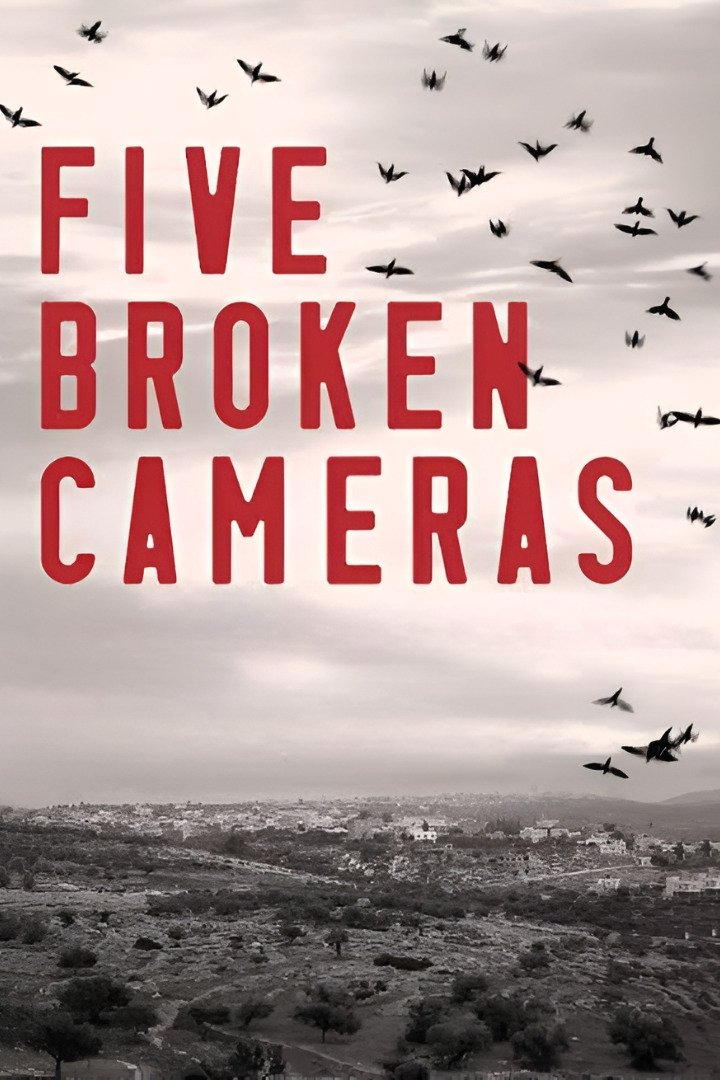
5 Broken Cameras
2011 documentary film directed by Emad Burnat and Guy Davidi
Non-Violence
sculpture series by Carl Fredrik Reuterswärd

The Story of My Experiments with Truth
autobiography of Mahatma Gandhi
turning the other cheek
phrase from the Sermon on the Mount in Christian doctrine
Walk for Peace
peace walk by Buddhist monks from Fort Worth, Texas to Washington, D.C. in 2025-2026
Mau movement
Samoan political movement
Kees Boeke
Dutch activist (1884-1966)
Erica Chenoweth
American political scientist

From Dictatorship to Democracy
book by Gene Sharp
School Day of Non-violence and Peace
Observance day on January 30
Havlagah
right|thumb|300px|Example of the Havlagah strategy: a bus used by Jews with mesh covering the doors and windows in order to protect against Arab attacks during the 1936–1939 Arab revolt in Palestine.
3.5% rule
concept in political science, according to which 3.5% of the population is enough to participate in nonviolent protests for a change of power
The Masque of Anarchy
poem written by Percy Shelley
International Decade for a Culture of Peace and Non-Violence for the Children of the World
United Nations observance
World March for Peace and Nonviolence
world event
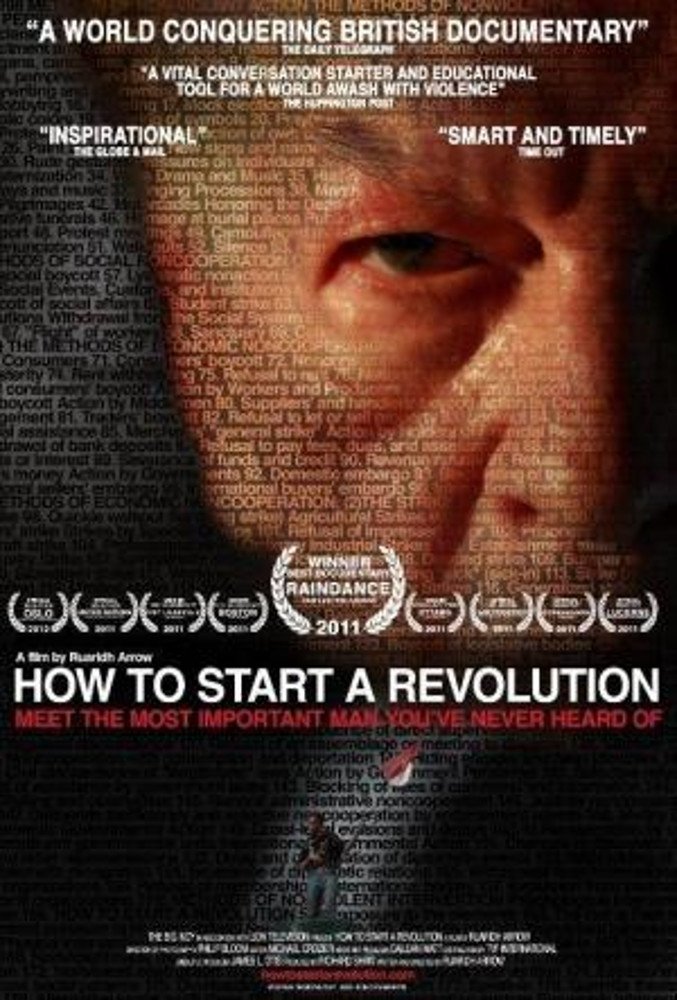
How to Start a Revolution
2011 film by Ruaridh Arrow
Transnational Radical Party
political association who intend to use nonviolent means to create an effective body of international law with respect for individuals and the affirmation of democracy and freedom throughout the world
Nonresistance
Nonresistance (or non-resistance) is "the practice or principle of not resisting authority, even when it is unjustly exercised". At its core is discouragement of, even opposition to, physical resistance to an enemy. It is considered as a form of principled nonviolence or pacifism which rejects all physical violence, whether exercised on individual, group, state or international levels. Practitioners of nonresistance may refuse to retaliate against an opponent or offer any form of self-defense. Nonresistance is often associated with particular religious groups, such as Anabaptist Christianity.
International Coalition for the Decade
How to Blow Up a Pipeline
book about climate activism and sabotage by Andreas Malm

The Politics of Nonviolent Action
book by Gene Sharp