Category
page 1Novels adapted into ballets
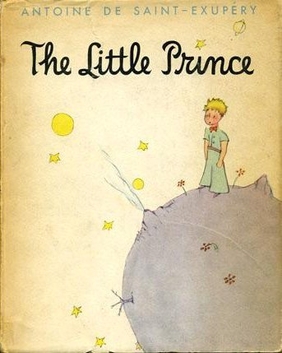
The Little Prince
novel by Antoine de Saint-Exupéry (1943)

Don Quixote
1605 novel by Miguel de Cervantes

Nineteen Eighty-Four
1949 dystopian social science fiction novel by George Orwell
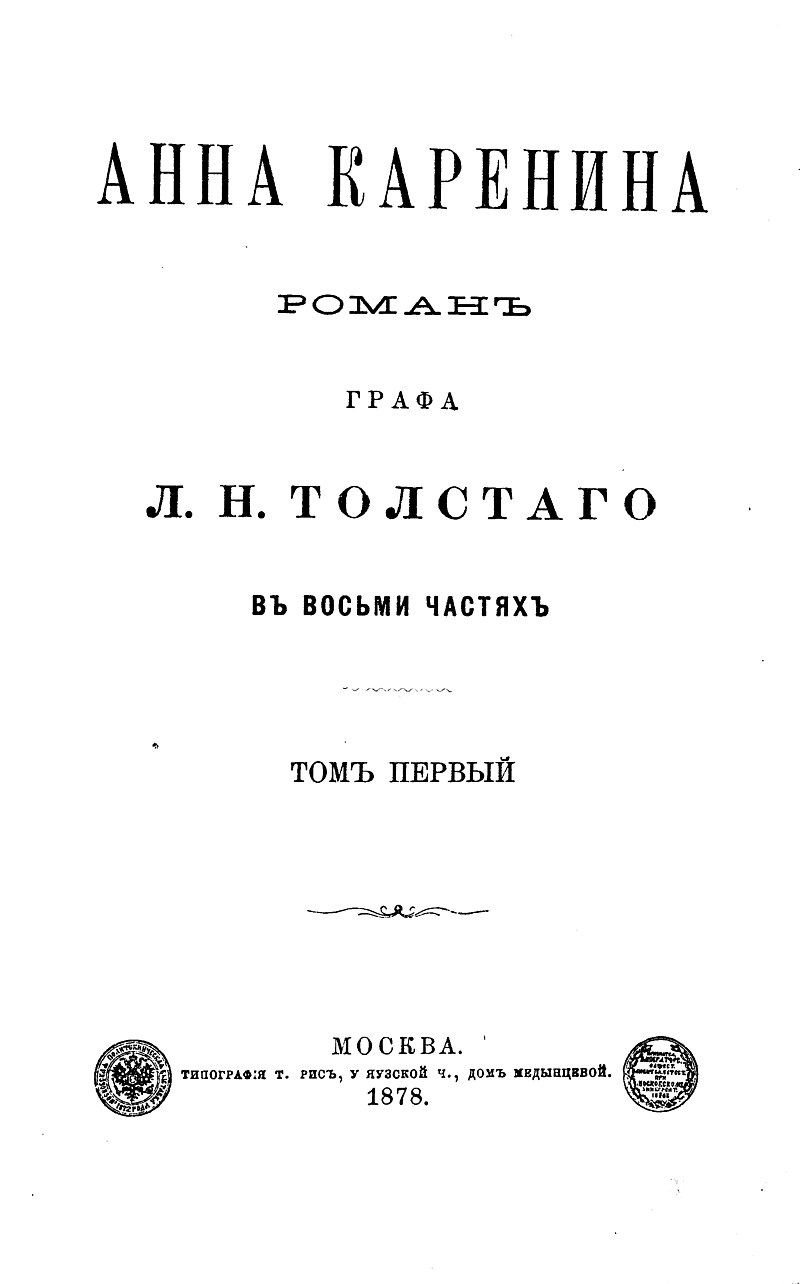
Anna Karenina
1877 novel by Leo Tolstoy

Frankenstein
Frankenstein; or, The Modern Prometheus is an 1818 Gothic novel written by English author Mary Shelley. Frankenstein tells the story of Victor Frankenstein, a young scientist who creates a sapient creature from different body parts in an unorthodox scientific experiment. Shelley started writing the story when she was 18 and staying in Bath, and the first edition was published anonymously in London on 1 January 1818, when she was 20. Her name first appeared in the second edition, which was published in Paris in 1821.

The Great Gatsby
1925 novel by F. Scott Fitzgerald

The Master and Margarita
novel by Mikhail Bulgakov

Lolita
Lolita is a 1955 novel written by Russian and American novelist Vladimir Nabokov. The protagonist and narrator is a French literature professor who moves to New England and writes under the pseudonym Humbert Humbert. He details his obsession with and victimization of a 12-year-old girl, Dolores Haze, whom he describes as a "nymphet". Humbert kidnaps and sexually abuses Dolores after becoming her stepfather. Privately, he calls her "Lolita", the Spanish diminutive for Dolores. The novel was written in English, but fear of censorship in the U.S. (where Nabokov lived) and Britain led to it being

The Hunchback of Notre Dame
novel by Victor Hugo

Wuthering Heights
Wuthering Heights is the only novel by the English author Emily Brontë, initially published in 1847 under her pen name "Ellis Bell". It concerns two extensive upland estates and their landowning families on the West Yorkshire moors, the Earnshaws and the Lintons; and their turbulent relationships with the Earnshaws' foster son, Heathcliff. Driven by themes of love, possession, revenge, and reconciliation, the novel is influenced by Romanticism and Gothic fiction. It is considered a classic of English literature.

The Adventures of Tom Sawyer
1876 adventure novel and bildungsroman by Mark Twain
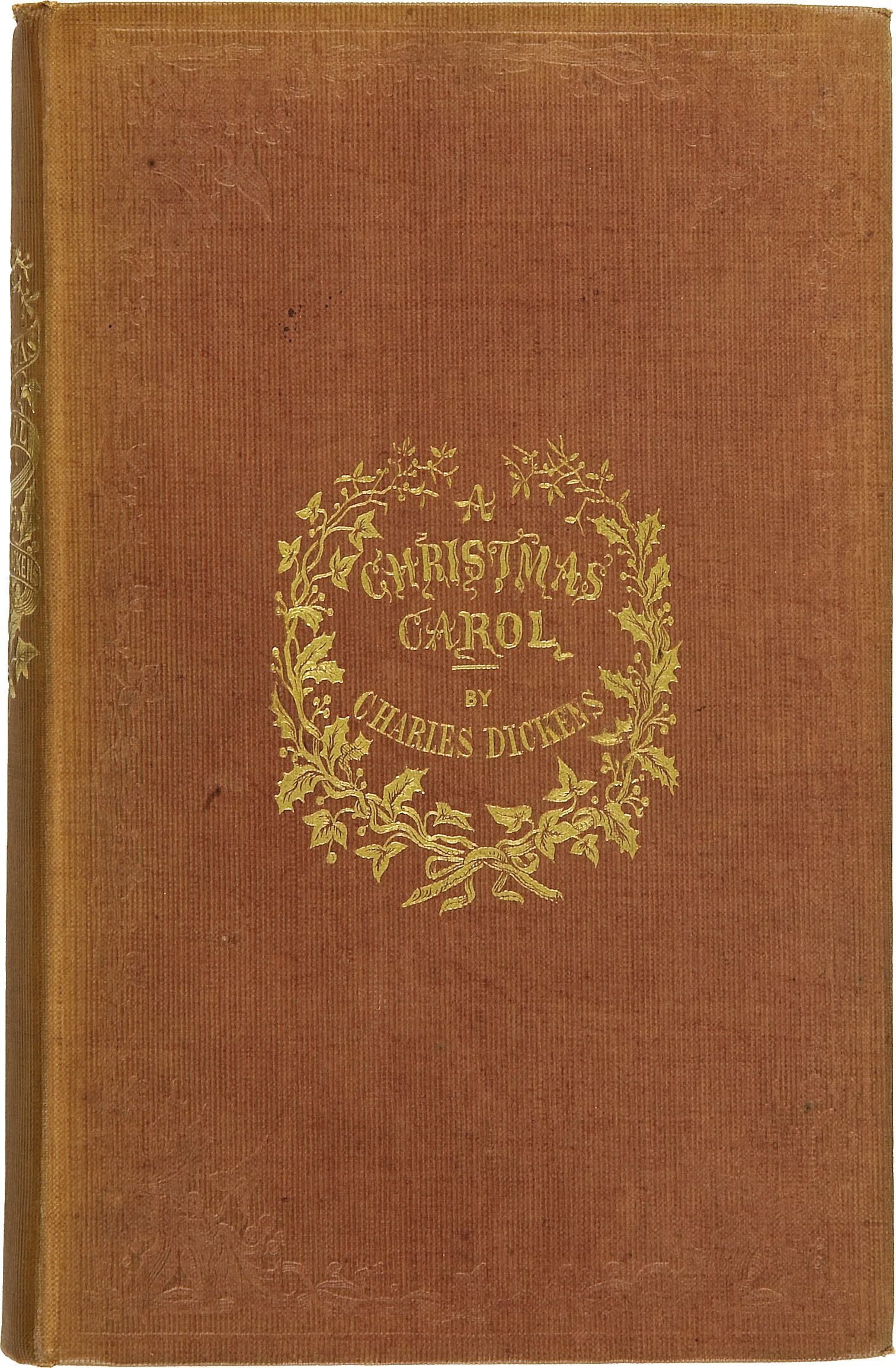
A Christmas Carol
A Christmas Carol. In Prose. Being a Ghost Story of Christmas, commonly known as A Christmas Carol, is a novella by Charles Dickens, first published in London by Chapman & Hall in 1843 and illustrated by John Leech. It recounts the story of Ebenezer Scrooge, an elderly miser who is visited by the ghost of his former business partner Jacob Marley and the spirits of Christmas Past, Present and Yet to Come. In the process, Scrooge is transformed into a kinder, gentler man.

Jane Eyre
1847 novel by Charlotte Brontë

Eugene Onegin
novel in verse by Alexander Pushkin

Death in Venice
1912 novella by Thomas Mann
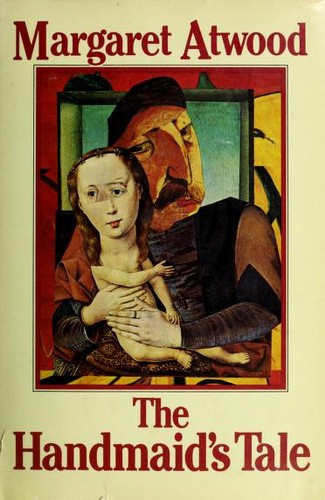
The Handmaid's Tale
1985 novel by Margaret Atwood

The Neverending Story
1979 novel by Michael Ende
The Lady of the Camellias
1848 novel by Alexandre Dumas fils

The Boy in the Striped Pyjamas
2006 novel by John Boyne

Les Liaisons dangereuses
1782 epistolary novel by Pierre Choderlos de Laclos
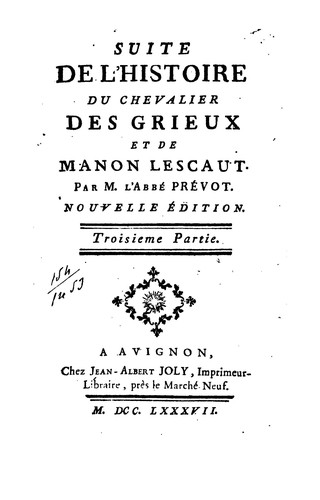
Manon Lescaut
novel by Abbé Prévost
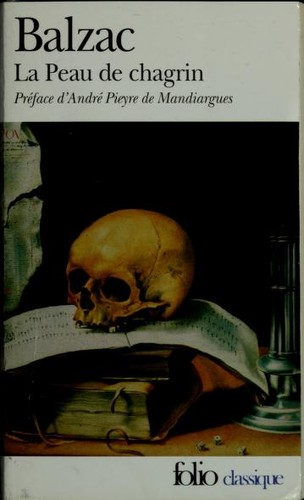
La Peau de chagrin
novel by Honoré de Balzac (1831)

The Nutcracker and the Mouse King
story by E. T. A. Hoffmann

Atonement
2001 novel by Ian McEwan
Bambi, A Life in the Woods
1923 novel by Felix Salten
The Kreutzer Sonata
novella by Leo Tolstoy

Carmen
1845 novel by Prosper Mérimée

The Turn of the Screw
1898 novella by Henry James

The Gadfly
novel by Ethel Lilian Voynich

Undine
novella by Friedrich de la Motte Fouqué
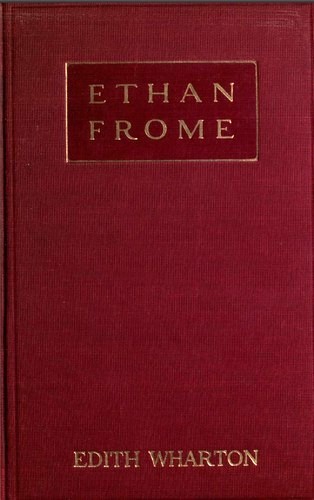
Ethan Frome
novella by Edith Wharton
The Princess and the Goblin
children's fantasy novel by George MacDonald

The Devil in Love
novel by Jacques Cazotte
Rock Crystal
novel by Adalbert Stifter

Chéri
novel by Colette

Singoalla
1857 novel by Viktor Rydberg
The Three-Cornered Hat
novel by Pedro Antonio de Alarcón

Sophie's Misfortunes
novel by the Countess of Ségur