Category
page 1Novels set during World War II

Doctor Zhivago
1957 historical novel by Boris Pasternak

Catch-22
Catch-22 is a satirical war novel by American author Joseph Heller. It was his debut novel. He began writing it in 1953; the novel was first published in 1961. Often cited as one of the most significant novels of the 20th century, it uses a distinctive non-chronological third-person omniscient narration, describing events from the points of view of different characters. The separate storylines are out of sequence so the timeline develops along with the plot.
.jpg)
Slaughterhouse-Five
'''''Slaughterhouse-Five, or, The Children's Crusade: A Duty-Dance with Death''''' is a 1969 semi-autobiographic science fiction–infused anti-war novel by Kurt Vonnegut. It follows the life experiences of Billy Pilgrim, from his early years, to his time as an American soldier and chaplain's assistant during World War II, to the post-war years. Throughout the novel, Billy frequently travels back and forth through time. The protagonist deals with a temporal crisis as a result of his post-war psychological trauma. The text centers on Billy's capture by the German Army and his survival of the Alli

Maus
Maus, often published as '''''Maus: A Survivor's Tale''', is a graphic novel by American cartoonist Art Spiegelman, serialized from 1980 to 1991. It depicts Spiegelman interviewing his father about his experiences as a Polish Jew and Holocaust survivor. The work employs postmodern techniques, and represents Jews as mice, Germans as cats and Poles as pigs. Critics have classified Maus'' as memoir, biography, history, fiction, autobiography, or a mix of genres. In 1992, it became the first graphic novel to win a Pulitzer Prize.

The Book Thief
2006 novel by Markus Zusak
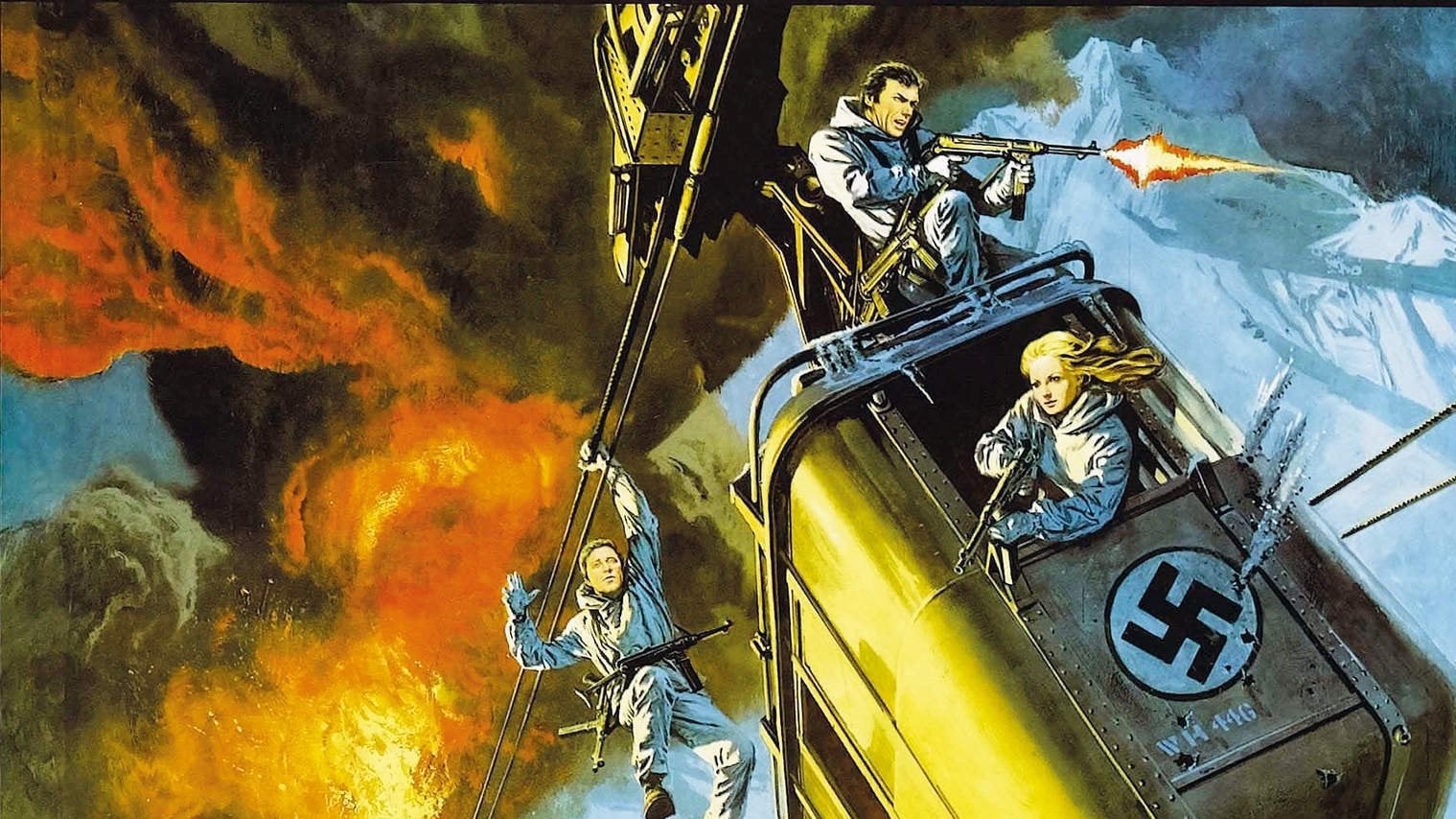
Where Eagles Dare
1968 film directed by Brian G. Hutton

Atonement
2001 novel by Ian McEwan

Crooked House
1949 novel by Agatha Christie

The English Patient
1992 novel by Michael Ondaatje

Jamilia
1958 novel by Chinghiz Aitmatov
N or M?
1941 novel by Agatha Christie

Brideshead Revisited
novel by Evelyn Waugh

Across the River and into the Trees
1950 novel by Ernest Hemingway

The Screwtape Letters
satirical, epistolary Christian apologetic novel by C. S. Lewis

The Kindly Ones
2006 novel by Jonathan Littell

2666
2004 novel by Roberto Bolaño

Gravity's Rainbow
1973 novel by Thomas Pynchon

Hannibal Rising
2006 novel by Thomas Harris

All the Light We Cannot See
2014 novel by Anthony Doerr

The Naked and the Dead
novel by Norman Mailer

The Bridge over the River Kwai
novel by Pierre Boulle

Le Silence de la mer
short story written in early 1942 by Vercors

The Unknown Soldier
1954 war novel by Väinö Linna
The Night in Lisbon
1962 novel by Erich Maria Remarque

Mother Night
novel by Kurt Vonnegut
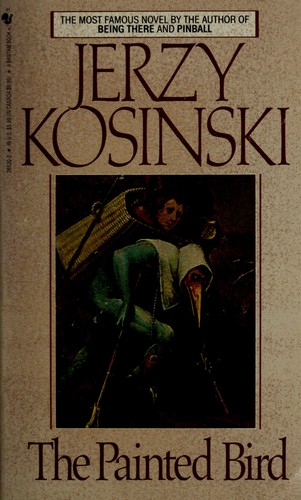
The Painted Bird
book by Jerzy Kosinski
Himmlers Hirn heißt Heydrich
HHhH is the debut novel of French author Laurent Binet, published in 2010 by Grasset & Fasquelle. The book is a metafictional novel depicting Operation Anthropoid, the assassination of Nazi leader Reinhard Heydrich in Prague during World War II, along with the writing of the novel. The novel was awarded the 2010 Prix Goncourt du Premier Roman.
Cryptonomicon
Cryptonomicon is a 1999 novel by American author Neal Stephenson, drawing thematic parallels between wartime secrecy and modern information control, emphasizing the role of information in political, military, and personal domains.

Crabwalk
Crabwalk (2002), published in German as Im Krebsgang, is a novella by German author Günter Grass, who was awarded the Nobel Prize for Literature in 1999. Born in 1927 in the Free City of Danzig (now known as Gdańsk, Poland), Grass explores the effects of the past on the present: in this novel, he interweaves various strands and combines fact and fiction in exploring the lack of attention to German victimhood in their losses in World War II.

The Moon Is Down
1942 novella by John Steinbeck

The Redbreast
2000 novel by Jo Nesbø

Life and Fate
novel by Vasily Grossman
Suite française
planned sequence of five novels by Irène Némirovsky
Every Man Dies Alone
1947 novel by Hans Fallada

The Eagle Has Landed
1975 novel by Jack Higgins

King Rat
1962 novel by James Clavell
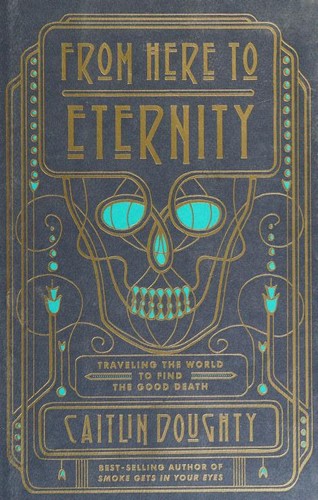
From Here to Eternity
1951 novel by James Jones

The End of the Affair
novel by Graham Greene
Biggles
James Charles Bigglesworth, nicknamed "Biggles", is a fictional pilot and adventurer, the title character and hero of the Biggles series of adventure books, written for young readers by W. E. Johns (1893–1968). Biggles made his first appearance in the story "The White Fokker", published in the first issue of Popular Flying magazine and again as part of the first collection of Biggles stories, The Camels Are Coming (both 1932). Johns continued to write "Biggles books" until his death in 1968. The series eventually included nearly a hundred volumes – novels as well as short story collections – m

Jacob the Liar
novel by Jurek Becker (1969)
The Young Guard
novel by Aleksandr Fadejev

Empire of the Sun
1984 novel by J. G. Ballard

Whisky Galore
1947 novel by Compton Mackenzie

Eye of the Needle
novel by Ken Follett
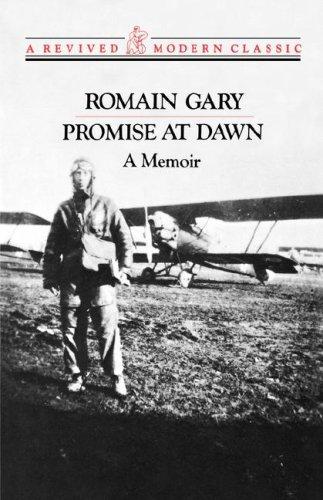
Promise at Dawn
book

The Thin Red Line
novel by James Jones

The Prince of Mist
1993 novel by Carlos Ruiz Zafón
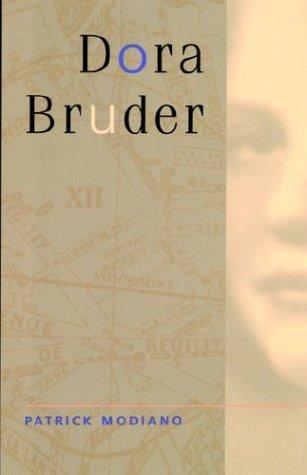
Dora Bruder
book by Patrick Modiano

The Caine Mutiny
novel by Herman Wouk
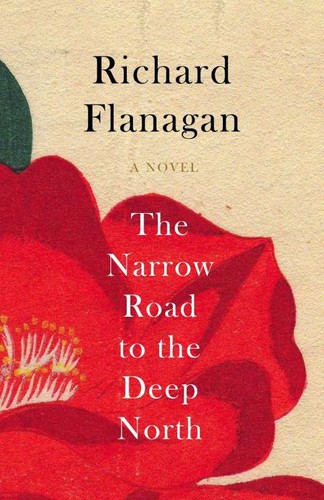
The Narrow Road to the Deep North
2014 novel by Richard Flanagan

Hornet Flight
novel by Ken Follett

The Train Was on Time
literary work by Heinrich Böll
Winter of the World
novel by Ken Follett
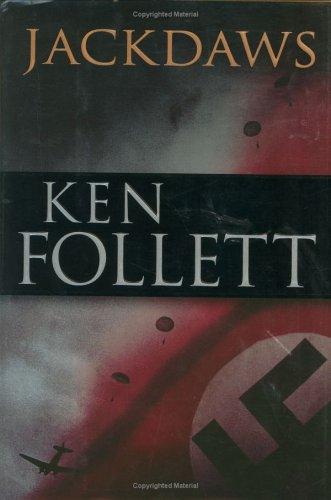
Jackdaws
novel by Ken Follett

The Key to Rebecca
novel by Ken Follett
The Sorrow of Belgium
1983 novel by Hugo Claus
Hospital of the Transfiguration
1955 novel by Stanislav Lem

The Winds of War
1971 novel by Herman Wouk

The Seventh Cross
novel by Anna Seghers

Volokolamsk Highway
1945 novel by Alexander Bek