Category
page 1Nuclear warfare

World War II
World War II, or the Second World War, was a global conflict between two coalitions: the Allies and the Axis powers. Nearly all of the world's countries participated. Tanks and aircraft played major roles, the latter enabling the strategic bombing of cities and delivery of the only nuclear weapons used in war. World War II was the deadliest conflict in history, causing the death of 60 to 75 million people. Millions died as a result of massacres, starvation, disease, and genocides, including the Holocaust. After the Allied victory, Germany, Austria, Japan, and Korea were occupied, and German and Japanese leaders were tried for war crimes.

Cold War
1947–1991 tension between the Soviet Union and the United States and their respective allies
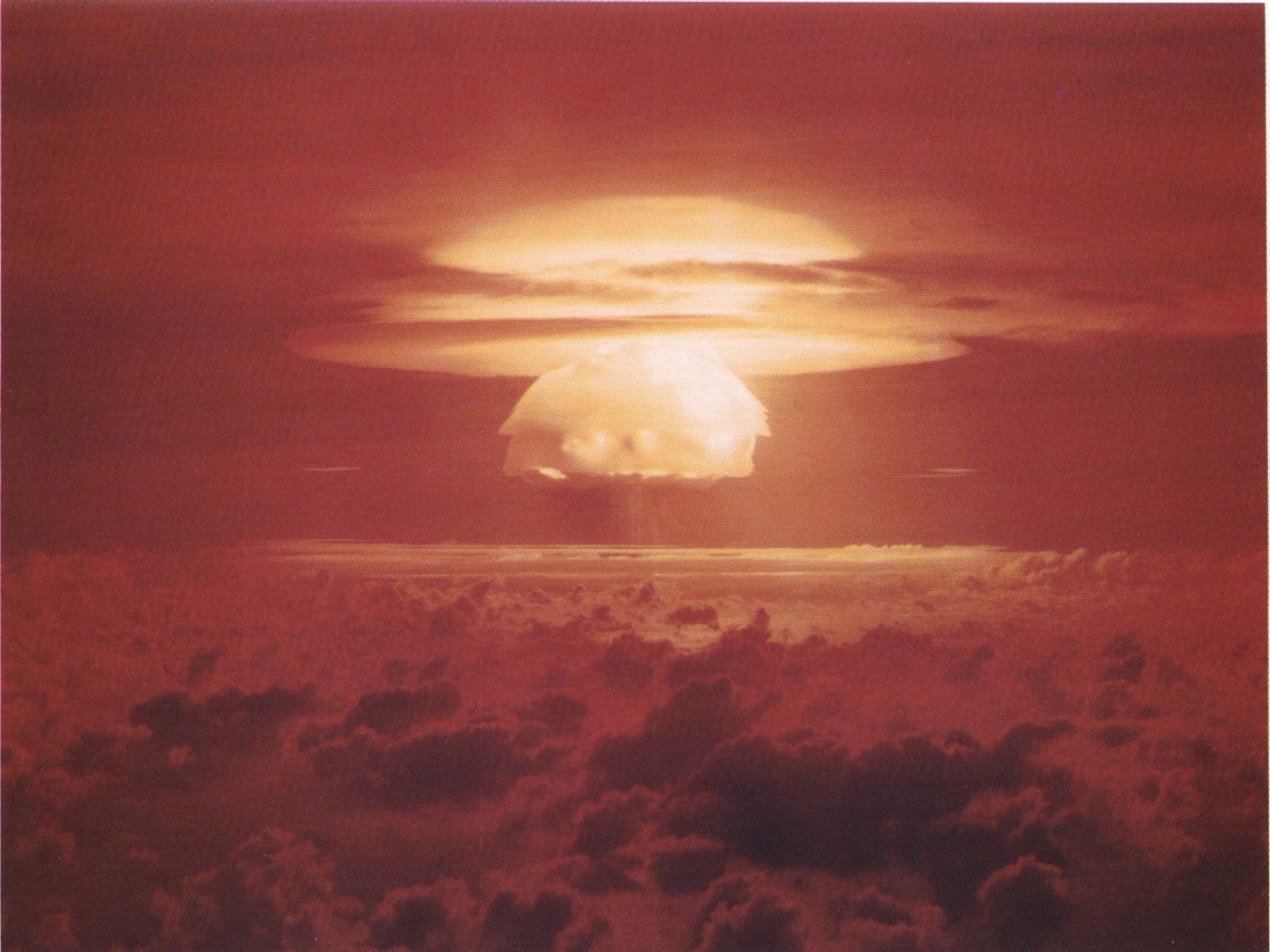
World War III
World War III, also known as the Third World War, is a hypothetical future global conflict subsequent to World War I (1914–1918) and World War II (1939–1945). It is widely predicted that such a war would involve all of the great powers, like its two predecessors, and the use of nuclear weapons or other weapons of mass destruction, thereby surpassing all prior conflicts in scale, devastation, and loss of life.

nuclear warfare
conflict or strategy in which nuclear weaponry is used to inflict damage on an opponent

nuclear winter
hypothetical climatic effect of nuclear war

Doomsday Clock
symbol which represents the likelihood of a man-made global catastrophe

Stanislav Petrov
officer of the Soviet Air Defence Forces, noted for not executing a nuclear strike during a nuclear false alarm incident (1939-2017)

mutual assured destruction
doctrine of military strategy in which a full-scale use of nuclear weapons by two or more opposing sides would cause the complete annihilation of both the attacker and the defender

electromagnetic pulse
burst of electromagnetic energy

hibakusha
right|thumb|A hibakusha of Hiroshima with symptomatic nuclear burns; the pattern on her skin is from the kimono she was wearing at the moment of the flash.
'''''''''' ( or ; or ; or ) is a word of Japanese origin generally designating the people affected by the atomic bombings of Hiroshima and Nagasaki by the United States at the end of World War II.
deterrence theory
military strategy during the Cold War with regard to the use of nuclear weapons
Able Archer 83
NATO command post exercise in 1983
missile launch facility
underground structure for the storage and launching of ballistic missiles
Atomic Age
period of history (1945–)
aftermath of World War II
period after the conclusion of World War II
fallout shelter
enclosed space specially designed to protect occupants from radioactive debris or fallout
strategic nuclear weapon
nuclear weapon designed to be used on targets as part of a strategic plan
United States national missile defense
nationwide missile defense program of the United States
history of nuclear weapons
history of the development of nuclear weapons
Pumpkin bomb
type of conventional high-explosive bomb ballistic simulator
Twentieth Air Force
numbered air force of the United States Air Force responsible for strategic missile forces
nuclear strategy
development of doctrines and strategies for the production and use of nuclear weapons
massive retaliation
Military doctrine focusing on using more force in retaliation to an attack
Operation Chrome Dome
military operation
peace through strength
idea that military power can help preserve peace
509th Composite Group
US Air Force unit tasked with the atomic bombing of Hiroshima and Nagasaki
Emergency Alert System
U.S. radio/TV system for public alerts of threats to public safety since 1997

Silverplate
thumb|upright=1.6|Bockscar, a Silverplate [[B-29 Superfortress of the 509th Composite Group, dropped an atomic bomb on Nagasaki ]]
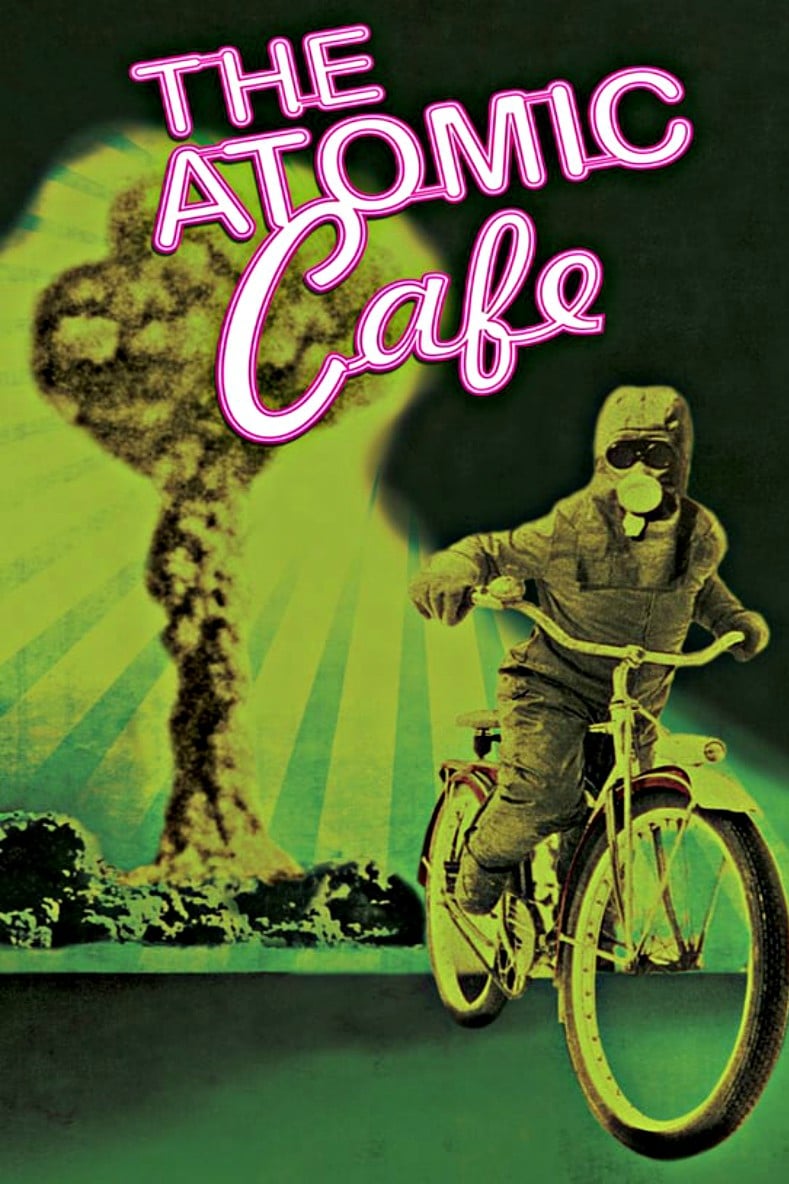
The Atomic Cafe
1982 film by Kevin Rafferty, Jayne Loader, Pierce Rafferty
NC-135
experimental aircraft series by Boeing
RYAN
1980s Soviet military intelligence program
2018 Hawaii false missile alert
false public emergency alert incident in 2018
Pax Atomica
peace due to nuclear deterrence
Toss bombing
bombing technique
launch on warning
nuclear strategy in which a retaliatory strike is launched upon warning of incoming nuclear missiles
nuclear bunker buster
weapon type

Nuclear Orthodoxy
Russian eschatological and political concept that Russia must build up its nuclear arsenal to prepare for the Second Coming
Urakami
thumb|Urakami Tenshudo (Catholic Church in Nagasaki) destroyed by the atomic bomb, the roof of one of two bell towers toppled down
Nukemap
Nukemap (stylised in all caps) is web application used to visualize the effects of nuclear weapons. It was created by Alex Wellerstein, a historian of science at the Stevens Institute of Technology who studies the history of nuclear weapons. It uses declassified nuclear weapons effects data and an interactive mapping API to represent the effects of a nuclear detonation: blast, thermal radiation, ionizing radiation, and nuclear fallout, among others, and can model weapons with different explosive yields, heights of burst, and fission fractions. It can also provide estimates for the casualties o
nuclear ethics
academic and policy-relevant field on problems associated with the nuclear weapons and energy complex
duck and cover
suggested method of personal protection against the effects of a nuclear explosion
Operation Looking Glass
American command and control center
Operation Giant Lance
1969 secret U.S. nuclear alert operation

Nuclear War Survival Skills
1979 non-fiction work by Cresson Kearny
R-7A Semyorka
Soviet ICBM
nuclear close calls
situations in which serious nuclear damage or worse might have occurred if the situation developed in a worse direction
Nuclear War: A Scenario
book by Annie Jacobsen
Nuclear peace
theory of international relations