Category
page 1Numerology

12
natural number

13
natural number

88
natural number

luck
thumb|200px|A four-leaf clover, a rare variant of the [[shamrock, is often considered to bestow good luck.]]

numerology
thumb|Numerorum mysteria (1591), a treatise on numerology by Pietro Bongo and his most influential work in Europe

27 Club
musicians who died at age 27
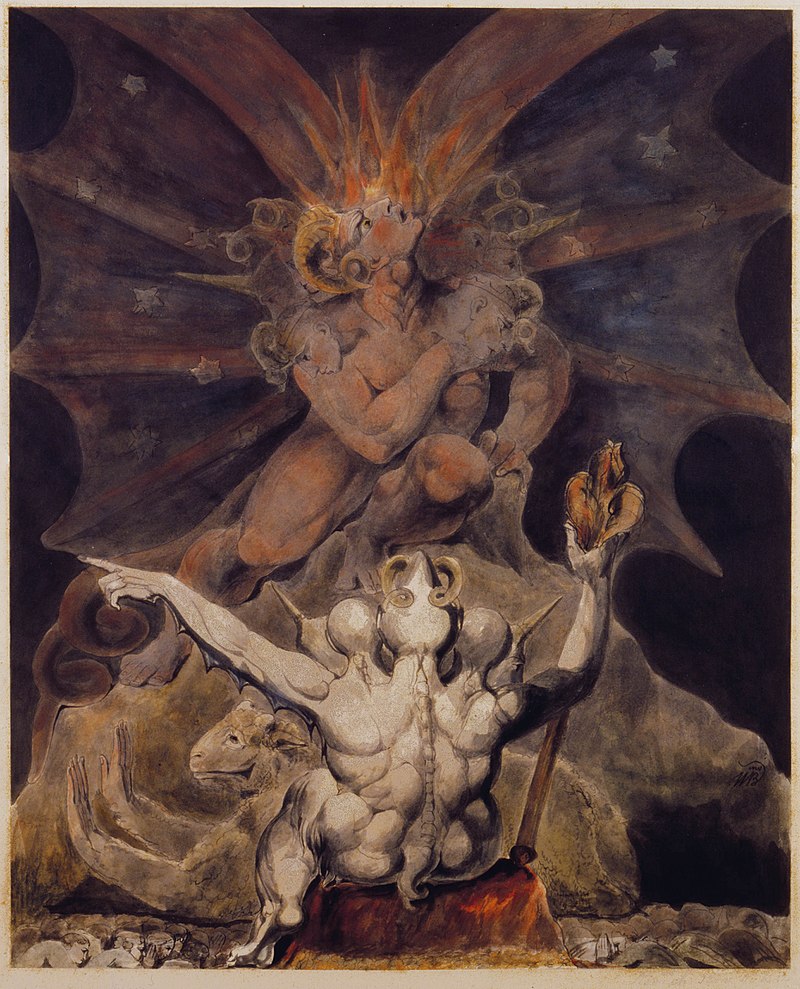
number of the beast
number associated with the beast in the Book of Revelation; either 666 or 616, depending on the manuscript

2012 phenomenon
eschatological beliefs surrounding 21 December 2012
.jpg)
tetraphobia
thumb|upright|An elevator control panel in a residential apartment building in Shanghai with no floor numbered as the 4th
thumb|The number 4 missing in a parking lot in Japan
Tetraphobia () is the practice of avoiding instances of the digit number . It is a superstition most common in East Asian nations and is associated with death.

gematria
In numerology, gematria (; or , plural or , borrowed via Aramaic from ) is the practice of assigning a numerical value to a name, word, or phrase by reading it as a number, or sometimes by using an alphanumeric cipher. The letters of the alphabets involved have standard numerical values, but a word can yield several values if a cipher is used.
777
natural number
musica universalis
ancient philosophical concept that regards proportions in the movements of celestial bodies as a form of music
The Beast
one of the two beasts described in the Book of Revelation; the first comes out of the sea, while the second comes out of the earth and directs people to worship the first beast; they are defeated by Christ and are thrown into the lake of fire

144000
144,000 is a natural number with significance in Christianity and Islam.
Chinese numerology
numbers in Chinese culture

isopsephy
In numerology, isopsephy (stressed on the I and the E; , ) or isopsephism is the practice of adding up the number values of the letters in a word to form a single number. The total number is then used as a metaphorical bridge to other words evaluating the equal number, which satisfies or "equal" in the term. Ancient Greeks used counting boards for numerical calculation and accounting, with a counter generically called ('pebble'), analogous to the Latin word , from which the English calculate is derived.
Luoshu Square
Chinese name for a specific 3x3 magic square occurring in legendary accounts of the creation of Chinese writing and culture
11:11
superstition about numbers
heptadecaphobia
Heptadecaphobia (Greek: , "seventeen" and , , "fear") is the fear of the number 17. It is considered to be ill-fated in Italy and other countries of Greek and Latin origins, while the date Friday the 17th is considered especially unfortunate in Italy. The number is feared due to superstition, and is similar in nature to the fear of the number 13 in Anglo-Saxon countries.
__TOC__

23 enigma
belief that most incidents and events are directly connected to the number 23
Curse of 39
Number considered bad luck in Afghanistan
Numbers in Norse mythology
significant numbers in Norse mythology and paganism
Quran code
alleged hidden pattern in the Quranic text based on the number 19
onomancy
thumb|right|Onomantic table from the Russian version of the Secretum Secretorum
Onomancy (or nomancy) is divination based on a subject's name. Onomancy gained popularity in Europe during the Late Middle Ages, but is said to have originated with the Pythagoreans in antiquity. Several methods of analyzing a name are possible, some of which are based on arithmancy or gematria.
numbers in Egyptian mythology
Plato's number
unspecified value mentioned by Plato

93
special number in Thelema philosophy
Theomatics
Theomatics is a numerological study of the Hebrew/Aramaic and Greek text of the Christian Bible (see also Biblical numerology), based upon gematria and isopsephia, by which its proponents claim to show the direct intervention of God in the writing of Christian scripture.
Book of the Zodiac
Mandaean religious text