Category
page 1Nuremberg trials
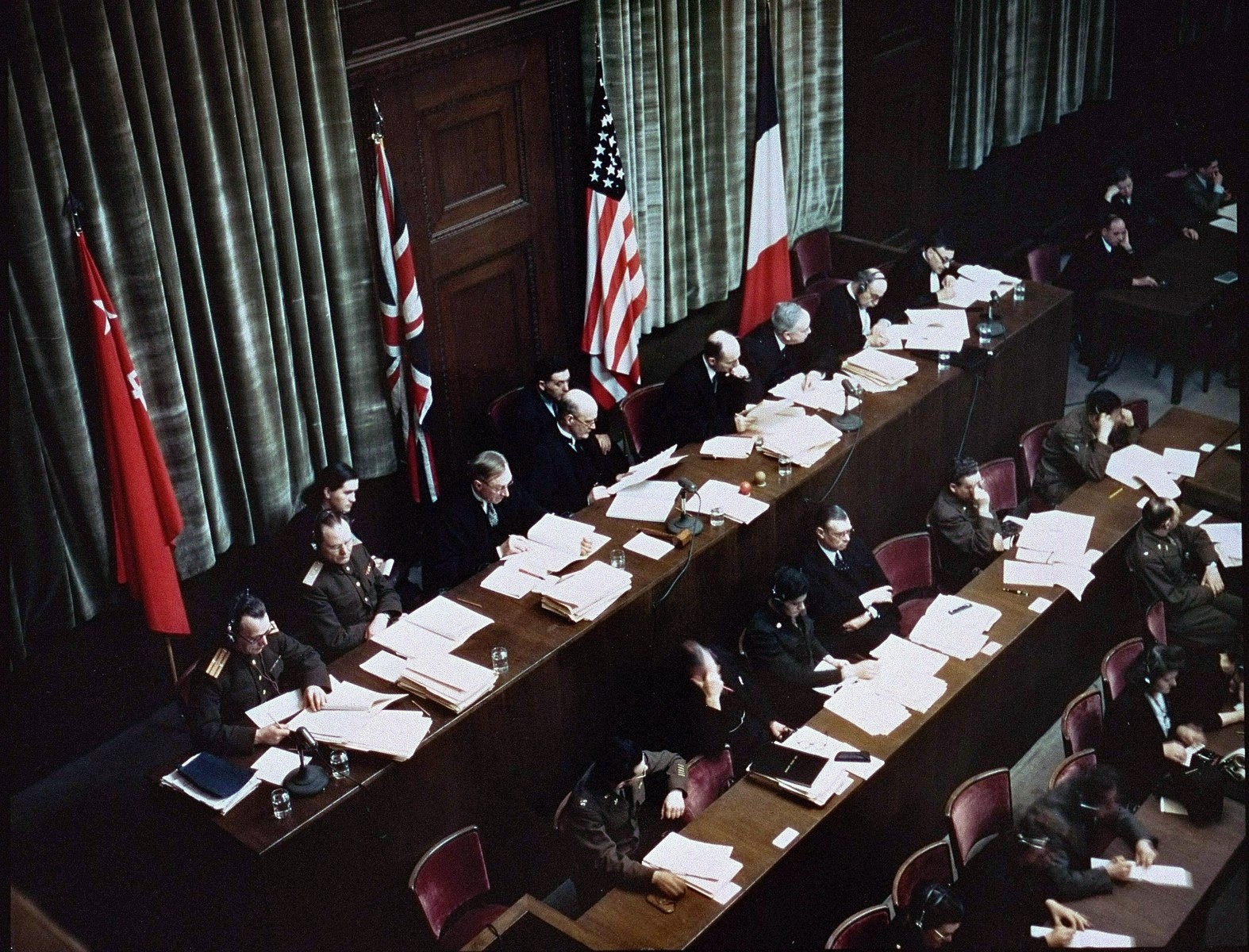
Nuremberg trials
The Nuremberg trials were international criminal trials held by France, the Soviet Union, the United Kingdom, and the United States against leaders of defeated Nazi Germany for plotting and carrying out invasions of several countries across Europe and committing atrocities against their citizens in the Second World War.

Kellogg-Briand pact
1928 international agreement
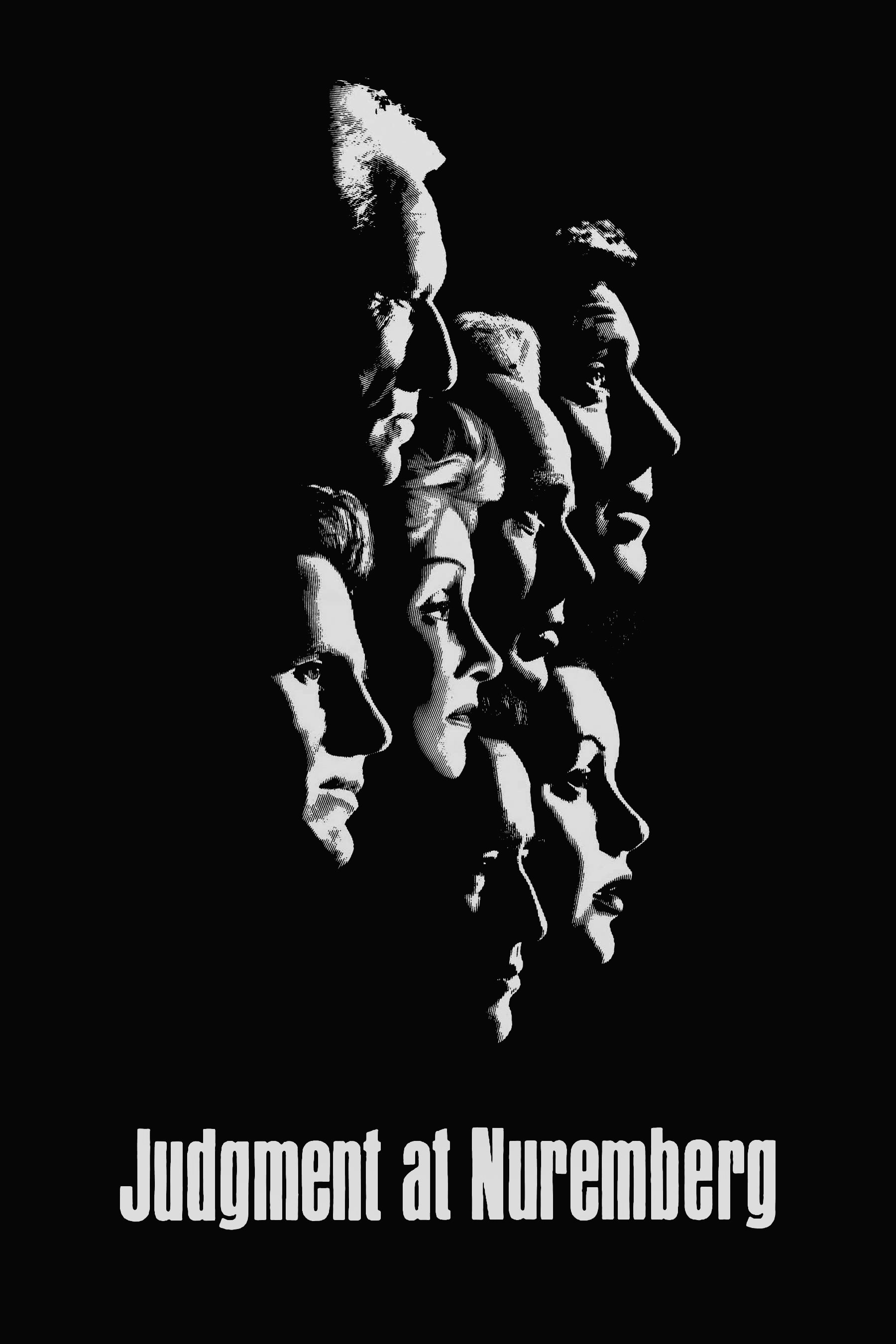
Judgment at Nuremberg
1961 US film by Stanley Kramer
Robert H. Jackson
US Supreme Court justice from 1941 to 1954 (1892–1954)

Ben Ferencz
American lawyer and pacifist born in Romania (Great Romania Kingdom)
Nuremberg principles
set of guidelines for determining what constitutes a war crime, created by the UN International Law Commission to codify the legal principles underlying the Nuremberg Trials

Nuremberg (2025 film)
Nuremberg is a 2025 American psychological thriller historical drama film written, co-produced, and directed by James Vanderbilt. Based on the 2013 book The Nazi and the Psychiatrist by Jack El-Hai, the film follows U.S. Army psychiatrist Douglas Kelley seeking to carry out an assignment to investigate the personalities and monitor the mental status of Hermann Göring and other high-ranking Nazis in preparation for and during the Nuremberg trials. Leo Woodall, John Slattery, Mark O'Brien, Colin Hanks, Wrenn Schmidt, Lydia Peckham, Richard E. Grant, and Michael Shannon have supporting roles in the film.
Topography of Terror
military museum
John C. Woods
American executioner (1911-1950)
Gustave Gilbert
American psychologist (1911–1977)
Francisco Boix
Spanish Civil War veteran and photographer (1920–1951)
Telford Taylor
American attorney and law professor (1908–1998)
Nuremberg
2000 miniseries directed by Yves Simoneau
superior orders
plea in a court of law that a person should not be held guilty for actions which were ordered by a superior officer
Thomas J. Dodd
American diplomat and politician (1907–1971)
Camp Ashcan
WWII Allied prisoner-of-war camp in Luxembourg; overseen by American authorities for interrogation of Nazi suspects, some of whom were transferred to Nuremberg as defendants in the International Military Tribunal and subsequent Nuremberg Trials
Palace of Justice
former courthouse complex in Nuremberg, Germany

Douglas Kelley
Lieutenant Colonel Douglas McGlashan Kelley was a United States Army Military Intelligence Corps officer who served as chief psychiatrist at Nuremberg Prison during the first months of the Nuremberg trials. He worked to ascertain defendants' competency before they stood trial.
Paul Loicq
Belgian ice hockey player, referee, administrator (1888–1953)
Edmund Aloysius Walsh
American Jesuit and founder of Georgetown University's School of Foreign Service (1885–1956)
Leo Alexander
Psychiatrist and neurologist (1905–1985)

Burton C. Andrus
U.S. Army Officer (1892-1977)
Leon Goldensohn
American psychiatrist (1911–1961)
Raymond D'Addario
American photographer (1920-2011)
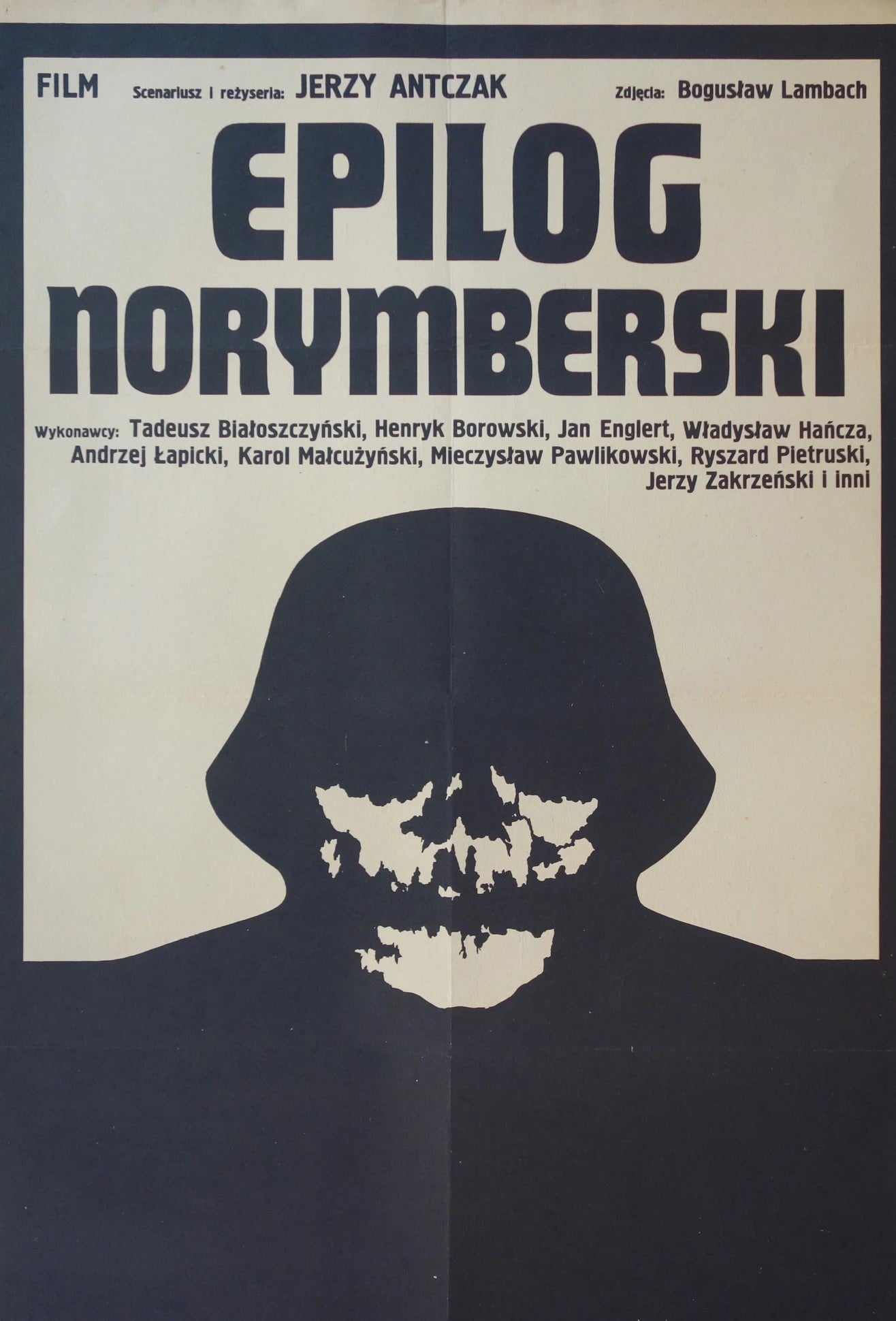
Epilog norymberski
1970 film by Jerzy Antczak
Joseph Malta
American hangman (1918–1999)

Charles M. La Follette
American politician (1898-1974)

Nuremberg Diary
1947 interview collection by Gustave Gilbert

Richard Sonnenfeldt
German language interpreter and translator (1923-2009)
John Amen
US Army Intelligence officer; prosecutor and head of the Interrogation Division, Nuremberg trials (1898–1960)
Andrew Conway Ivy
American physician (1893–1978)
Karl Anders
German journalist and publisher (1907–1997)