Category
page 1Nymphaeales
Nymphaeales
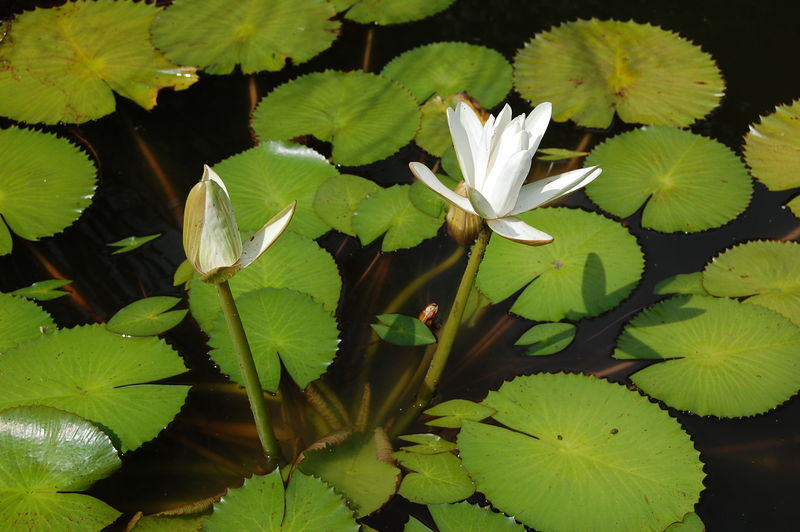
The Nymphaeales are an order of flowering plants, consisting of three families of aquatic plants, the Hydatellaceae, the Cabombaceae, and the Nymphaeaceae (water lilies). It is one of the three orders of basal angiosperms, an early-diverging grade of flowering plants. At least 10 morphological characters unite the Nymphaeales. One of the traits is the absence of a vascular cambium, which is required to produce both xylem (wood) and phloem, which therefore are missing. Molecular synapomorphies are also known.

Cabomba caroliniana
species of plant
Hydatellaceae
REDIRECT Trithuria#Hydatellaceae

Cabomba aquatica
species of plant

Trithuria
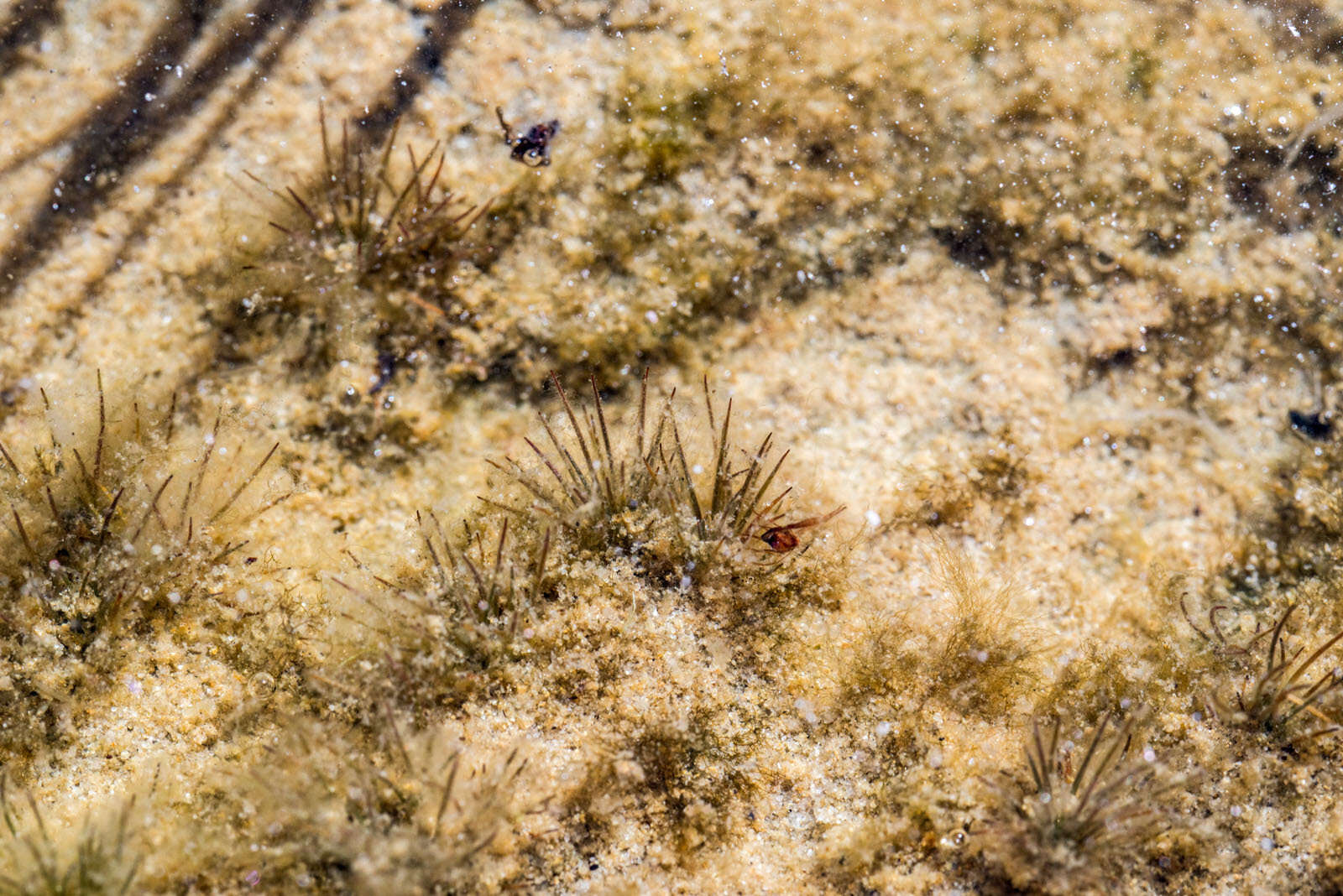
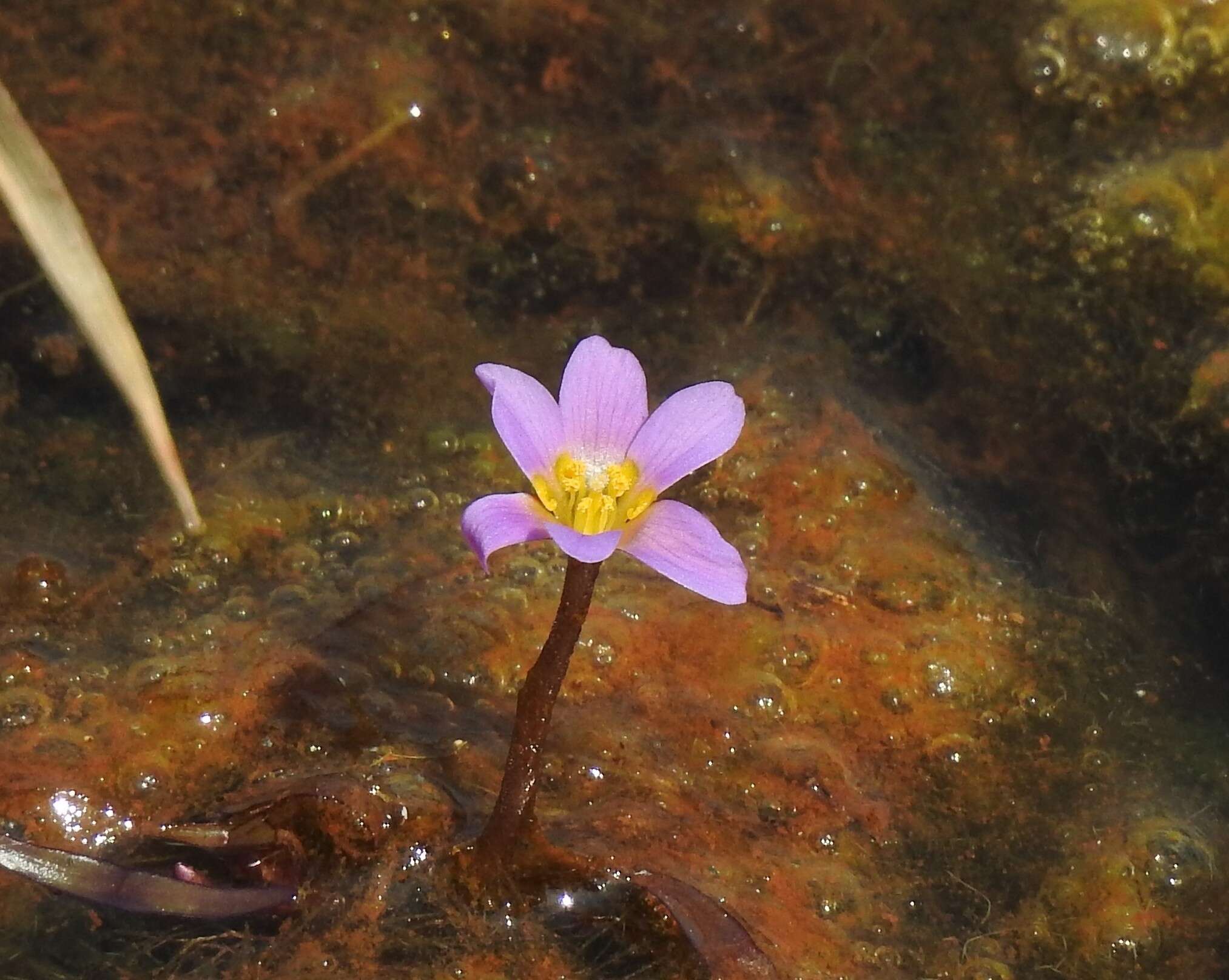
Trithuria is a genus of small ephemeral aquatic herb that represent the only members of the family Hydatellaceae found in India, Australia, and New Zealand. Almost all described species of Trithuria are found in Australia, with the exception of T. inconspicua and T. konkanensis, from New Zealand and India respectively. Until DNA sequence data and a reinterpretation of morphology proved otherwise, these plants were believed to be monocots related to the grasses (Poaceae). They are unique in being the only plants besides two members of Triuridaceae (Lacandonia schizmatica and L. braziliana) in w
Cabomba furcata
species of plant

Brasenia
Brasenia is a genus belonging to the family Cabombaceae, consisting of one species, Brasenia schreberi, commonly known as watershield. It is widely distributed in North America, the West Indies, northern South America (Venezuela, Guyana), eastern Asia (China, Japan, Korea, Primorye), Australia, the Indian subcontinent, and parts of Africa.
thumb|For sale in a Japanese supermarket, 2014

Trithuria inconspicua
small aquatic herb