Category
page 1NYRB Classics

The Adventures of Pinocchio
1883 novel by Carlo Collodi

The War of the Worlds
1897 serialized novel by H. G. Wells

Dead Souls
1842 novel by Nikolai Gogol

Fathers and Sons
1862 novel by Ivan Turgenev

Prometheus Bound
ancient Greek tragedy by Aeschylus
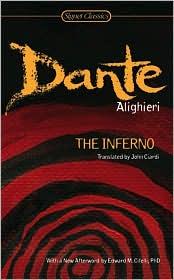
Inferno
first part of Dante Alighieri's "Divine Comedy"

The Captain's Daughter
1836 novel by Aleksandr Pushkin

Lazarillo de Tormes
1554 Spanish novella

The Royal Game
Austrian novella by Stefan Zweig

Max Havelaar
1860 novel by Multatuli, which played a key role in modifying Dutch colonial policy
Bambi, A Life in the Woods
1923 novel by Felix Salten

The Tartar Steppe
1940 novel by Dino Buzzati

Berlin Alexanderplatz
novel by Alfred Döblin

Purgatorio
Purgatorio (; Italian for "Purgatory") is the second part of Dante's Divine Comedy, following the Inferno and preceding the Paradiso; it was written in the early 14th century. It is an allegorical telling of the climb of Dante up the Mount of Purgatory, guided by the Roman poet Virgil—except for the last four cantos, at which point Beatrice takes over as Dante's guide. Allegorically, Purgatorio represents the penitent Christian life. In describing the climb Dante discusses the nature of sin, examples of vice and virtue, as well as moral issues in politics and in the Church. The poem posits the
Lady Macbeth of the Mtsensk District
novel by Nikolai Leskov
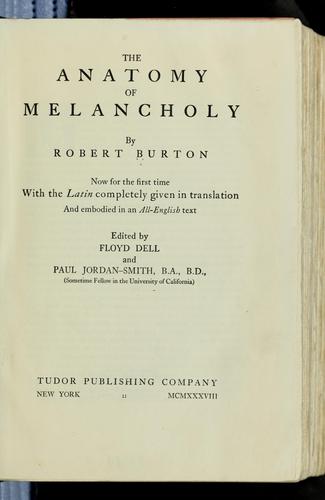
The Anatomy of Melancholy
17th century encyclopedia of physical and psychological data, anecdote and quotation
The Lily of the Valley
novel by Honoré de Balzac

Beware of Pity
novel by Stefan Zweig
The Long Ships
Viking adventure novel by Frans G. Bengtsson (1944)
Season of Migration to the North
1966 novel by Tayeb Salih
The Doll
novel by Bolesław Prus
Virgin Soil
novel by Ivan Turgenev

The Chrysalids
1955 novel by John Wyndham
Smoke
novel by Ivan Turgenev

Stoner
1965 novel by John Williams

Confusion
novel by Stefan Zweig

Life and Fate
novel by Vasily Grossman

The Rider on the White Horse
1888 novella by German writer Theodor Storm

The Moon and the Bonfires
novel by Cesare Pavese

The Invention of Morel
novel by Adolfo Bioy Casares

Il fu Mattia Pascal
1904 work by Luigi Pirandello
Mémoires de deux jeunes mariées
book by Honoré de Balzac

The Peach Blossom Fan
play written by Kong Shangren

Clandestine in Chile
1985 essay by Gabriel García Márquez

The Post Office Girl
novel by Stefan Zweig

Lucky Jim
novel by Kingsley Amis

Contempt
1954 novel by Alberto Moravia

Fabian
1931 novel written by Erich Kästner
Memed, My Hawk
1955 novel by Yasar Kemal
Reflections of an Unpolitical Man
essay by Thomas Mann
The Kolyma Tales
short story collection by Varlam Shalamov

Chevengur
Chevengur () is a socio-philosophical novel by Andrei Platonov, written in 1928. It is his longest work and often regarded by scholars as the most significant of his works. Although its fragments were published in the Soviet magazine Krasnaya Nov, the novel was banned in the Soviet Union until 1988. Full text of the novel was published by Ardis in 1972.

The Black Spider
novella by the Swiss writer Jeremias Gotthelf written in 1842
Rock Crystal
novel by Adalbert Stifter

The Seventh Cross
novel by Anna Seghers
Colline
Colline is a 1929 novel by the French writer Jean Giono. It has also been published as Hill of Destiny. It tells the story of a small hamlet in Provence where the superstitious residents struggle against nature, as their settlement is struck by several misfortunes. Colline was Giono's debut novel. It is the first installment in the author's Pan trilogy; it was followed by the standalone novels Lovers are Never Losers and Second Harvest.

Will O' the Wisp
1931 novel by Pierre Drieu La Rochelle

Butcher's Crossing
novel by John Edward Williams

Moravagine
Moravagine is a 1926 novel by Blaise Cendrars, originally published by Grasset. It is a complex opus with a central figure, the eponymous Moravagine, who emerges as a doppelganger of the author whom the author is ridding himself of through the act of writing. It took Cendrars a decade to write the book (Cendrars makes reference to it as early as 1917), and he never stopped working on it. In 1956, the author partially rewrote the text and added a postface, as well as a section titled "Pro domo: How I wrote Moravagine". In his final revision, Cendrars says the book is definitely incomplete, as i

The Inverted World
1974 novel by Christopher Priest
The Life of Henry Brulard
novel by Stendhal

The Hearing Trumpet
1974 novel by Leonora Carrington

Chocky
Chocky is a science fiction novel by British writer John Wyndham. It was first published as a novelette in the March 1963 issue of Amazing Stories and later developed into a novel in 1968, published by Michael Joseph. The BBC produced a radio adaption by John Tydeman in 1967. In 1984 a children's television drama based on the novel was shown on ITV in the United Kingdom.

Walkabout
1959 Australian novel
The Golovlyov Family
1880 novel by Mikhail Saltykov-Shchedrin

Augustus
1972 novel by John Edward Williams

The Foundation Pit
novel by Andrei Platonov

The Private Memoirs and Confessions of a Justified Sinner
novel by James Hogg

The Three Christs of Ypsilanti
non-fiction work by Milton Rokeach

The Summer Book
1972 novel by Tove Jansson