Category
page 1Observances honoring the dead
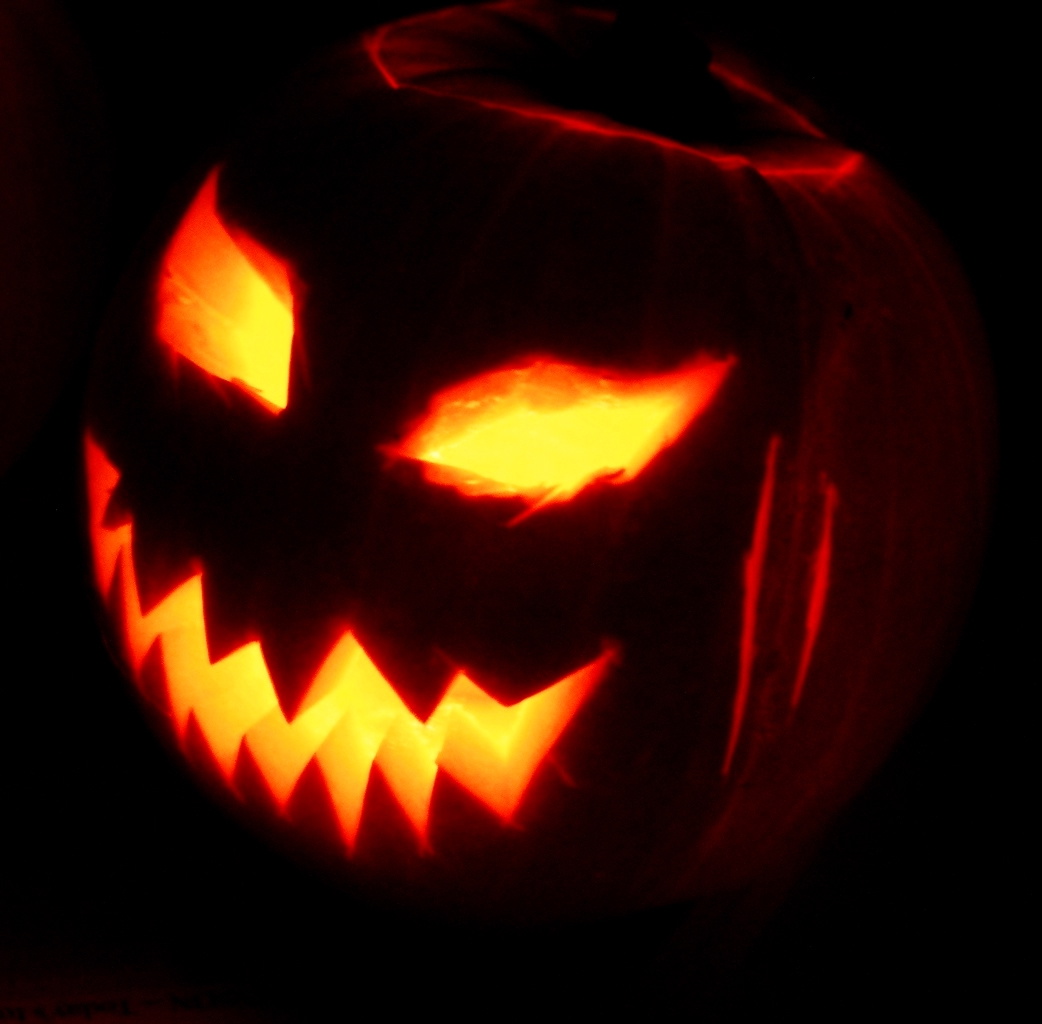
Halloween
Halloween is a celebration observed in many countries on 31 October, the eve of the Western Christian feast of All Hallows' Day. It is at the beginning of the observance of Allhallowtide, the time in the Christian liturgical year dedicated to remembering the dead, including saints (hallows), martyrs, and all the faithful departed. In popular culture, Halloween has become a celebration of horror and is associated with the macabre and the supernatural.

All Saints' Day
Christian feast day

All Souls' Day
feast day in some Christian denominations

Day of the Dead
The Day of the Dead is a holiday traditionally celebrated on November 1 and 2, though other days, such as October 31 or November 6, may be included depending on the locality. The multi-day holiday involves family and friends gathering to pay respects and remember friends and family members who have died. These celebrations can take a humorous tone, as celebrants remember amusing events and anecdotes about the departed. It is widely observed in Mexico, where it largely developed, and is also observed in other places, especially by people of Mexican heritage. The observance falls during the Christian period of Allhallowtide. Some argue that there are Indigenous Mexican or ancient Aztec influences that account for the custom, though others see it as a local expression of the Allhallowtide season that was brought to the region by the Spanish; the Day of the Dead has become a way to remember those forebears of Mexican culture. The Day of the Dead is largely seen as having a festive characteristic.

Samhain
Samhain ( , ; ; ) or '''' () is a Gaelic festival on 1 November marking the end of the harvest season in autumn and beginning of winter or the "darker half" of the year. It is also the Irish and Scottish Gaelic name for November. Celebrations begin on the evening of 31 October, since the Celtic day began and ended at sunset. This is about halfway between the autumnal equinox and winter solstice. It is one of the four Gaelic seasonal festivals along with Imbolc, Bealtaine, and Lughnasa. Historically it originated in Ireland and it was widely observed throughout Ireland, Scotland, and the Isle o
Qingming Festival
ancestors, grave sites visitation day in China, festival in East Asia
national day of mourning
type of public holiday

Tết
Tết (, ), short for '''''' (; ), is the most important celebration in Vietnamese culture. Tết celebrates the arrival of spring, which is on the first day of the first Vietnamese lunisolar month, and usually falls between late January and 20 February in the Gregorian calendar.
Ulambana
traditional Buddhist and Taoist festival

Bon Festival
or just is a fusion of the ancient Japanese belief in ancestral spirits and a Japanese Buddhist custom to honor the spirits of one's ancestors. This syncretic folk Buddhist custom has evolved into a family reunion holiday during which people return to ancestral family places and visit and clean their ancestors' graves when the spirits of ancestors are supposed to revisit the household altars. It has been celebrated in Japan for more than 500 years and traditionally includes a dance, known as .

Radonitsa
Radonitsa (Russian: Ра́доница, Belarusian: Ра́даўніца "Day of Rejoicing"), also spelled Radunitsa, Radonica, or Radunica, in the Russian Orthodox Church is a commemoration of the departed observed on the second Tuesday of Pascha (Easter) or, in some places (in south-west Russia), on the second Monday of Pascha. In the Ukrainian tradition it is called Provody (Ukrainian: Прóводи).
Pitru Paksha
ancestral Worship from Hindu religion
Parentalia
In ancient Rome, the Parentalia () or dies parentales (, "ancestral days") was a nine-day festival held in honour of family ancestors, beginning on 13 February.
death anniversary
anniversary celebrated on the day on which an individual died
Double Ninth Festival
traditional Chinese holiday
Lemuria
ancient Roman festival

Dziady
'''''' (; For example, in the title of Adam Mickiewicz's drama ''The Forefathers' Night) is a term in Slavic folklore for the spirits of the ancestors and a collection of pre-Christian rites, celebrations, rituals and customs that were dedicated to them. The essence of these rituals was the "communion of the living with the dead", namely, the establishment of relationships with the souls of the ancestors, periodically returning to Earth to their headquarters from the times of their lives. The aim of the ritual activities was to win the favor of the deceased, who were considered to be caretaker

World Day of Remembrance for Road Traffic Victims
recurring event

Jesa
Jesa (, ) is a ceremony commonly practiced in Korea. Jesa functions as a memorial to the ancestors of the participants. Jesa are usually held on the anniversary of the ancestor's death. The majority of Catholics, Buddhists and nonbelievers practice ancestral rites, although Protestants do not.
Feralia
Ferālia was an ancient Roman public festival celebrating the Manes (Roman spirits of the dead, particularly the souls of deceased individuals) which fell on 21 February as recorded by Ovid in Book II of his Fasti. This day marked the end of Parentalia, a nine-day festival (13–21 February) honoring the dead ancestors.
Totensonntag
Totensonntag (, Sunday of the Dead), also called Ewigkeitssonntag (Eternity Sunday) or Totenfest, is a Protestant religious holiday in Germany and Switzerland, commemorating the faithful departed. It falls on the last Sunday of the liturgical year in the Protestant Church in Germany and the Protestant Church in the Netherlands.
Sā Pāru
Hindu festival in Nepal

Yahrtzeit
thumb|This drawing by Alphonse Lévy (1843-1918) shows a man marking his wife's yahrzeit at her grave.
Day of Remembrance for all Victims of Chemical Warfare
annual commemorative event
Festival of the Dead
annual feasts of the dead in different traditions
Shab-e-Barat
Shab-e-Barat () or Nisfu Syaaban (Southeastern Asian Muslims) is a Mid-Sha'ban related religious celebration celebrated in many South Asian, Central Asian, South East Asian and Middle Eastern Muslim countries, on the 15th night (the night on 15th only) of the month of Sha'ban, the eighth month of the Islamic calendar.
Office of the Dead
prayer cycle
Pchum Ben
public holiday in Cambodia celebrated on the 15th day of the 10th month in the Khmer calendar commemorating deceased relatives
Zadušnice
upright=1.2|thumb|Alexei Savrasov. Grave on the Volga (1874).
thumb|upright=1.2|Smolensk cemetery, commemoration. 1881
upright=1.1|thumbnail|Dušičky in Slovakia and Czech
thumb|right|upright=1.1|All Saints' Day|Zaduszki (All Saints' Day) in Poland
upright=1.1|thumbnail|Dziady in Belarus
upright=1.1|thumbnail|Zadushnitsa in Bulgaria, painting by Ivan Mrkvička
Zaduszki () or Dzień Zaduszny () is a Polish name for the Commemoration of All the Faithful Departed (All Souls' Day) on 2 November. The word Zaduszki originating from Dzień Zaduszny, can be roughly translated into English as "the day of p
Holodomor Memorial Day
annual commemoration for victims of the Ukrainian famine of 1932–33
Korochun
Koročun or Kračun (see other variants below) is one of the names for the time of the year that corresponds to Christmas in several Slavic languages such as Pannonian Rusyn, as well as the common name for the holiday in Romania and Hungary. It is also refers to an evil spirit which shortens one's life, in particular bringing a sudden death, as in the curse "Let Karachun take you!" ().
yahrzeit candle
type of candle that is lit in memory of the dead in Judaism
Blue Christmas
day in the Advent season marking the longest night of the year
Nayrouz
Nayrouz (, ) is a feast when martyrs and confessors are commemorated within the Coptic Orthodox Church. Celebrated on September 11, the day is both the start of the Coptic new year and its first month, Thout. Nayrouz is also commemorated by Ethiopian Christians who also call it Enkutatash. Children wear new clothes and give bouquets of flowers to people.
Thursday of the Dead
Feast day in the Levant
Saturday of Souls
Day for commemoration of the dead