Category
page 1Odyssey

Odyssey
The Odyssey (; ) is one of two major epics of ancient Greek literature attributed to Homer. It is one of the oldest surviving works of literature and remains popular with modern audiences. Like the Iliad, the Odyssey is divided into 24 books. It follows the heroic king of Ithaca, Odysseus, also known by the Latin variant Ulysses, and his homecoming journey after the ten-year long Trojan War. His journey from Troy to Ithaca lasts an additional ten years, during which time he encounters many perils and all of his crewmates are killed. In Odysseus's long absence, he is presumed dead, leaving his

Trojan Horse
tale from Trojan War, a wooden horse used by the Greeks during the Trojan war
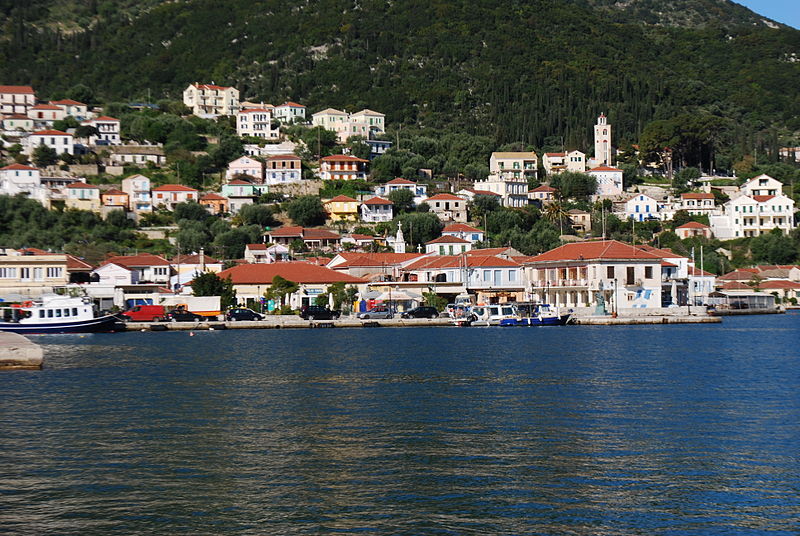
Ithaca
Greek island in the Ionian Sea
Moly
herb in Homeric poetry

Lotus tree
plant in Greek and Roman mythology

nekyia
thumb|upright=1|The Shade of Tiresias Appearing to [[Odysseus during the Sacrifice (c. 1780-85), painting by Johann Heinrich Füssli, showing a scene from Book Eleven of the Odyssey]]
Nepenthe
Nepenthe (, ) is a possibly fictional medicine for sorrow – a "drug of forgetfulness" mentioned in ancient Greek literature and Greek mythology, depicted as originating in Egypt.
Nostos
thumb|The journey of Odysseus presented in [[Homer's Odyssey is a quintessential example of in Ancient Greek literature.]]
Telemachy
thumb|The voyage of Telemachus
The Telemachy (from Greek Τηλεμάχεια, Tēlemacheia) is a term traditionally applied to the first four books of Homer's epic poem the Odyssey. They are named so because, just as the Odyssey tells the story of Odysseus, they tell the story of Odysseus's son Telemachus as he journeys from home for the first time in search of news about his missing father.