Category
page 1Onychophora of Oceania
Peripatoides
Peripatoides is a genus of velvet worms in the family Peripatopsidae. Velvet worms in this genus are found throughout New Zealand. Like all velvet worms, these animals are nocturnal predators that spit a sticky slime to trap their prey. Unlike the species in the only other genus of velvet worms found in New Zealand, Ooperipatellus, which lay eggs (that is, are oviparous), the species in the genus Peripatoides are live-bearing (ovoviviparous).
Tasmanipatus
Tasmanipatus barretti, the giant velvet worm, is a species of velvet worm in the Peripatopsidae family. It is the sole species in the genus Tasmanipatus and is ovoviviparous.
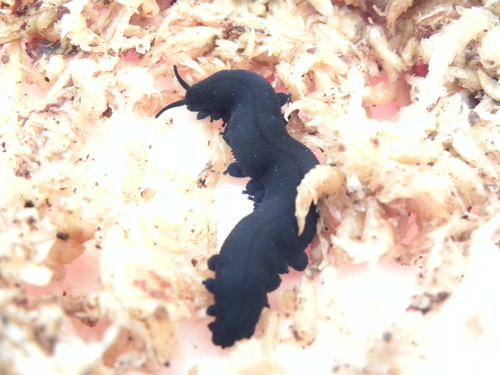
Euperipatoides
Euperipatoides is a genus of ovoviviparous velvet worms in the family Peripatopsidae. All species in this genus have 15 pairs of legs in both sexes. All species are found in New South Wales, Australia. E. rowelli is also found in the Australian Capital Territory.
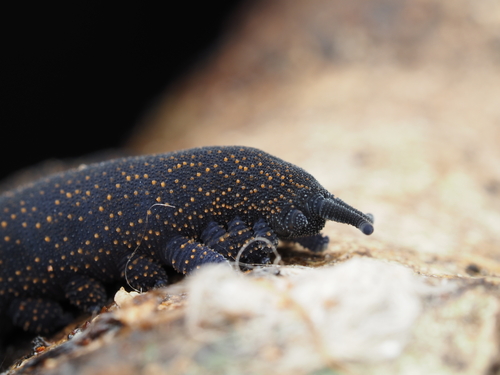
Peripatoides suteri
species of worm
Peripatoides indigo
species of velvet worm
Paraperipatus
Paraperipatus is a genus of velvet worms in the family Peripatopsidae. This genus exhibits matrotrophic viviparity, that is, mothers in this genus retain eggs in their uteri and supply nourishment to their embryos, but without any placenta. Species in this genus are found in New Guinea and the surrounding islands, including the Maluku achipelago.
Ruhbergia
Ruhbergia is a genus of velvet worms in the family Peripatopsidae. All species in this genus are ovoviviparous (with yolky ova) and have 15 pairs of legs in both sexes. They are found in New South Wales, Australia.
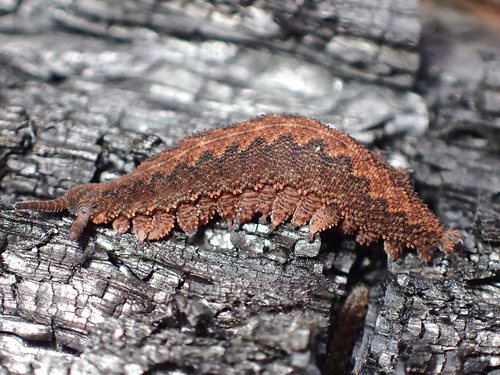
Ooperipatus
Ooperipatus is a genus of velvet worms in the family Peripatopsidae. They are found in Australia. All species in this genus are oviparous and have 15 pairs of lobopods (legs).
Nodocapitus
Nodocapitus is a genus of velvet worms in the family Peripatopsidae. All species in this genus have 15 pairs of legs in both sexes. N. formosus is found in Queensland, Australia, N. inornatus is found in New South Wales, and N. barryi is found in both of these states. In each species, the males are distinguished by enlarged papillae on the head, between the antennae.
Euperipatoides kanangrensis
species of worm
Planipapillus
Planipapillus is a genus of velvet worms in the family Peripatopsidae, whose species are found in eastern Victoria and southeastern New South Wales, Australia. They are unique in that the males of this genus may bear patches of reduced papillae on the head, posterior to the eyes; the generic name refers to this fact, and likewise they have been vernacularly referred to as lawn-headed onychophorans. All species in this genus are oviparous and have 15 pairs of legs.
Cephalofovea
Cephalofovea is a genus of velvet worms in the Peripatopsidae family. All species in this genus are ovoviviparous and have 15 pairs of oncopods (legs), and both sexes possess a pitted-head which the male everts and uses to pass his spermatophore to the female. They are found in New South Wales, Australia.
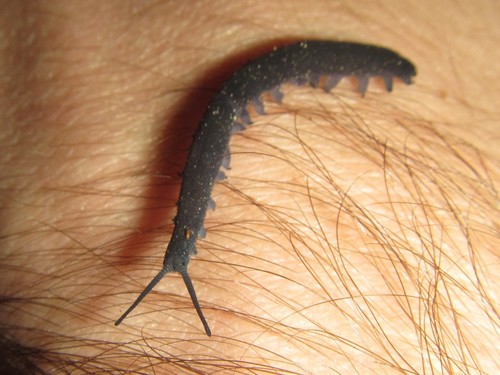
Austroperipatus
Austroperipatus is a genus of oviparous and ovoviviparous velvet worms in the family Peripatopsidae and the genus Austroperipatus. This genus has 15 pairs of legs in both sexes. The species in this genus are found in northern Queensland, Australia.
Hylonomoipos
Hylonomoipos is a genus of velvet worms in the family Peripatopsidae. All species in this genus have 15 pairs of legs in both sexes. They are found in southeastern Queensland, Australia.
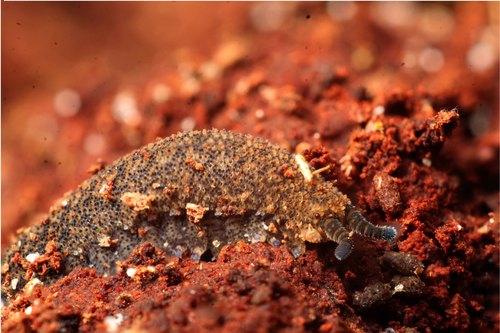
Kumbadjena
Kumbadjena is a genus of velvet worms in the family Peripatopsidae. All species in this genus are ovoviviparous, all have 15 pairs of oncopods (legs), and all are found in the southwest of Western Australia.
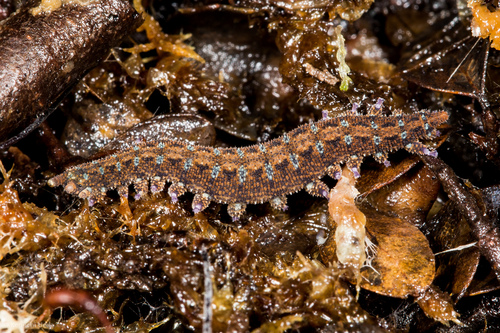
Ooperipatellus
Ooperipatellus is a genus of velvet worms in the Peripatopsidae family. These velvet worms are found in Australia and New Zealand. Species in this genus are oviparous. This genus was proposed by the German zoologist Hilke Ruhberg in 1985, with Ooperipatellus insignis designated as the type species. This genus is notable as the only one in which velvet worms have no more than 14 pairs of legs.
Ooperipatellus viridimaculatus
species of worm
Austroperipatus superbus
species of worm
Ruhbergia bifalcata
species of worm
Ruhbergia rostroides
species of worm
Ooperipatellus parvus
species of worm
Ruhbergia brevicorna
species of worm
Critolaus lepidus
species of worm
Ooperipatellus decoratus
species of worm
Ooperipatellus duwilensis
species of worm
Ooperipatellus insignis
species of worm
Euperipatoides rowelli
species of worm
Ooperipatellus nanus
species of worm