Category
page 1Organic fertilizers

manure
thumb|Animal manure is often a mixture of animal feces and bedding straw, as in this example from a [[stable.]]

compost
thumb|upright=1.3|Community-level composting in a rural area in Germany
organic fertilizer
fertilizer developed from natural processes
fish meal
flour made from dried and ground fish or parts of fish
bone meal
Ground mixture of bone and slaughterhouse waste products used as a fertilizer, and other uses
liquid manure
animal waste thinned with water and used as fertilizer
wood ash
residue powder left after the combustion of wood

biofertilizer
right|thumb|Blue-green Algae|Blue-green algae cultured in specific media. Blue-green algae can be helpful in agriculture as they have the capability to fix atmospheric nitrogen to soil. This nitrogen is helpful to the crops. Blue-green algae is used as a biofertilizer.
blood meal
powder made from blood used as fertilizer and animal feed
Gomutra
cow urine, liquid by-product of metabolism
Bokashi
fermentation process for food waste and similar organic matter
bone ash
material formed from calcination of bones
bioeffector
A bioeffector is a viable microorganism or active natural compound which directly or indirectly affects plant performance (biofertilizer), and thus has the potential to reduce fertilizer and pesticide use in crop production.
rock flour
fine-grained, silt-sized particles of rock
feather meal
poultry feather product
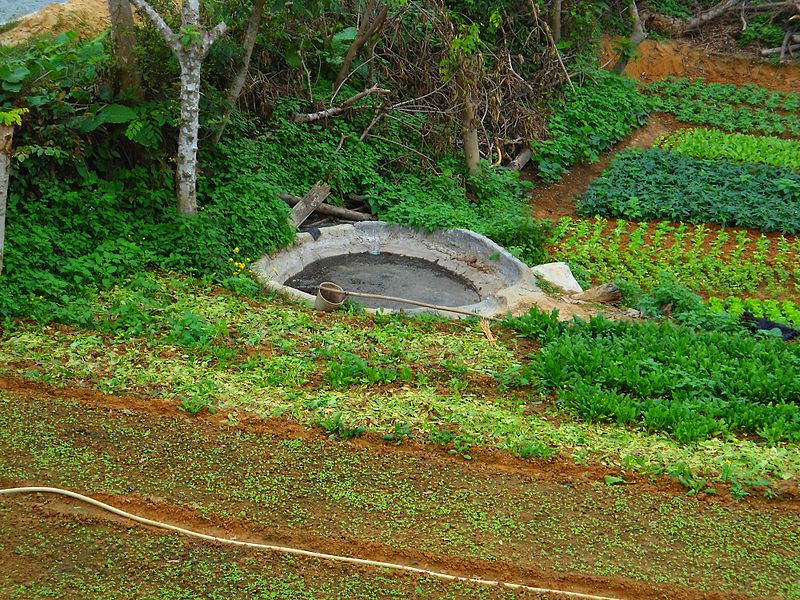
slurry pit
circular concrete structure holding liquid manure

manure management
agricultural practice
liquid plant manure
liquid fertilizer or phytopharmaceutical from fermented plant biomass
chicken manure
feces of chickens used as an organic fertilizer, especially for soil low in nitrogen
olive mill pomace
by product from the olive oil mill extraction process
biosolids
thumb|300px|Pumpkin seedlings planted out on windrows of composted biosolids
Biosolids are solid organic matter recovered from a sewage treatment process and used as fertilizer. In the past, it was common for farmers to use animal manure to improve their soil fertility. In the 1920s, the farming community began also to use sewage sludge from local wastewater treatment plants. Scientific research over many years has confirmed that these biosolids contain similar nutrients to those in animal manures. Biosolids that are used as fertilizer in farming are usually treated to help to prevent disease-