Category
page 1Ornithorhynchidae

platypus
The platypus (Ornithorhynchus anatinus), sometimes referred to as the duck-billed platypus, is a semiaquatic, egg-laying mammal endemic to eastern Australia, including Tasmania. The platypus is the sole living representative of its family Ornithorhynchidae and genus Ornithorhynchus, though a number of related species appear in the fossil record. Together with the four species of echidna, it is one of the five extant species of monotremes, mammals that lay eggs instead of giving birth to live young. Like other monotremes, the platypus has a sense of electrolocation, which it uses to detect prey
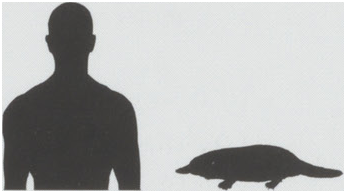
Ornithorhynchidae
The Ornithorhynchidae are one of the two extant families in the order Monotremata, and contain only the platypus and its extinct relatives. The other family is the Tachyglossidae, or echidnas.
Obdurodon
Obdurodon is a genus of extinct platypus-like Australian monotreme which lived from the Late Oligocene to the Late Miocene. Three species have been described in the genus, the type species Obdurodon insignis, plus Obdurodon dicksoni and Obdurodon tharalkooschild. Obdurodon appeared much like their modern day relative the platypus, except adults retained their molar teeth, and unlike the platypus, which forages on the lakebed, they may have foraged in the water column or surface.
Monotrematum
Monotrematum sudamericanum is an extinct monotreme species from the Paleocene (Peligran) Salamanca Formation in Patagonia, Argentina. It is one of only two monotremes found outside Oceania.