Category
page 1Our Lady of Guadalupe

Agave
Agave (; ; ) is a genus of monocots native to the arid regions of the Americas. The genus is primarily known for its succulent and xerophytic species that typically form large rosettes of strong, fleshy leaves.

Our Lady of Guadalupe
title of the Virgin Mary as she appeared to an Indigenous man in Mexico in December 1531

Guadalupe
municipality in the Province of Cáceres, Spain

Rianxo
Rianxo is a port town and municipality in the autonomous community of Galicia in northwestern Spain in the province of A Coruña. It has a population of a little over 10,000 and its two main industries are fishing and tourism. The town's yearly celebration of Our Lady of Guadalupe is popular with tourists. Rianxo was the birthplace of several influential Galician writers, including Paio Gómez Chariño gl, Manuel Antonio, Alfonso R. Castelao and Rafael Dieste.
Royal Monastery of Saint Mary of Guadalupe
Roman Catholic monastery in Guadalupe, Extremadura, Spain
Juan Diego Cuauhtlatoatzin
Layperson. Visionary of Our Lady of Guadalupe. First indigenous saint of the Americas. Roman Catholic Saint from Mexico.
Woman of the Apocalypse
figure described in Rev. 12; gives birth to a son, who is taken to heaven; afterwards the woman flees into the wilderness, is attacked by the Dragon, and sprouts wings to escape it; traditionally interpreted as Mary or the Church
Juan de Zumárraga
Archbishop of Mexico
Basilica of Our Lady of Guadalupe
basilica in Mexico City

Tepeyac Hill
thumb|right|250px|A view of Tepeyac Hill
Tepeyac or the Hill of Tepeyac, historically known by the names Tepeyacac and Tepeaquilla, is located inside Gustavo A. Madero, the northernmost Alcaldía or borough of Mexico City. According to the Catholic tradition, it is the site where Saint Juan Diego met the Virgin of Guadalupe in December 1531, and received the iconic image of the Lady of Guadalupe. The Basilica of Our Lady of Guadalupe located there is one of the most visited Catholic shrines in the world.
Spanish colonists erected a Catholic chapel at the site, Our Lady of Guadalupe, "the place
Guadalupe River
tributary of the Guadiana, in Spain
Fortino Hipólito Vera y Talonia
Mexican writer and historian (1834–1898)
Our Lady of Guadalupe
shrine in Caceres, Spain
Villa de Guadalupe Hidalgo
former separate town, now a neighborhood of northern Mexico City
Tonantzin
thumb|Stone figure of Tonatzin found at the Museo Nacional de las Intervenciones, [[Mexico City]]
Tonantzin ( ) is a Nahuatl title composed of to- "our" + nān "mother" + -tzin "(honorific suffix)". When addressing Tonantzin directly, men use the suffixed vocative form Tonāntziné [], and women use the unsuffixed vocative form Tonāntzín [].
Tilmàtli
thumb|150px|Aztec warrior priests and priests as depicted in the Codex Mendoza, wearing battle suits and tilmàtli tunics.
thumb|150px|Saint Juan Diego, wearing a tilmàtl during the 1531 [[Our Lady of Guadalupe Marian apparitions.]]
thumb|left|250px|Emperor [[Moctezuma II wearing a tilmàtli.]]
thumb|Nezahualpiltzintli wearing an elaborate tilmàtli.
A tilmàtli (or tilma; , ) was a type of outer garment worn by men as a cloak/cape, documented from the late Postclassic and early Colonial eras among the Aztec and other peoples of central Mexico.
El Tepeyac National Park
national park in Mexico
Cathedral of Our Lady of Guadalupe
cathedral
Cathedral Santuario de Guadalupe
Catholic cathedral in Dallas, Texas
Miracle of the roses
miracle in which roses manifest an activity of God or of a saint, attributed to Elizabeth of Hungary (1207–1231), Elizabeth of Portugal (1271–1336), etc.
Cathedral of Our Lady of Guadalupe
church in Puerto Vallarta, Mexico
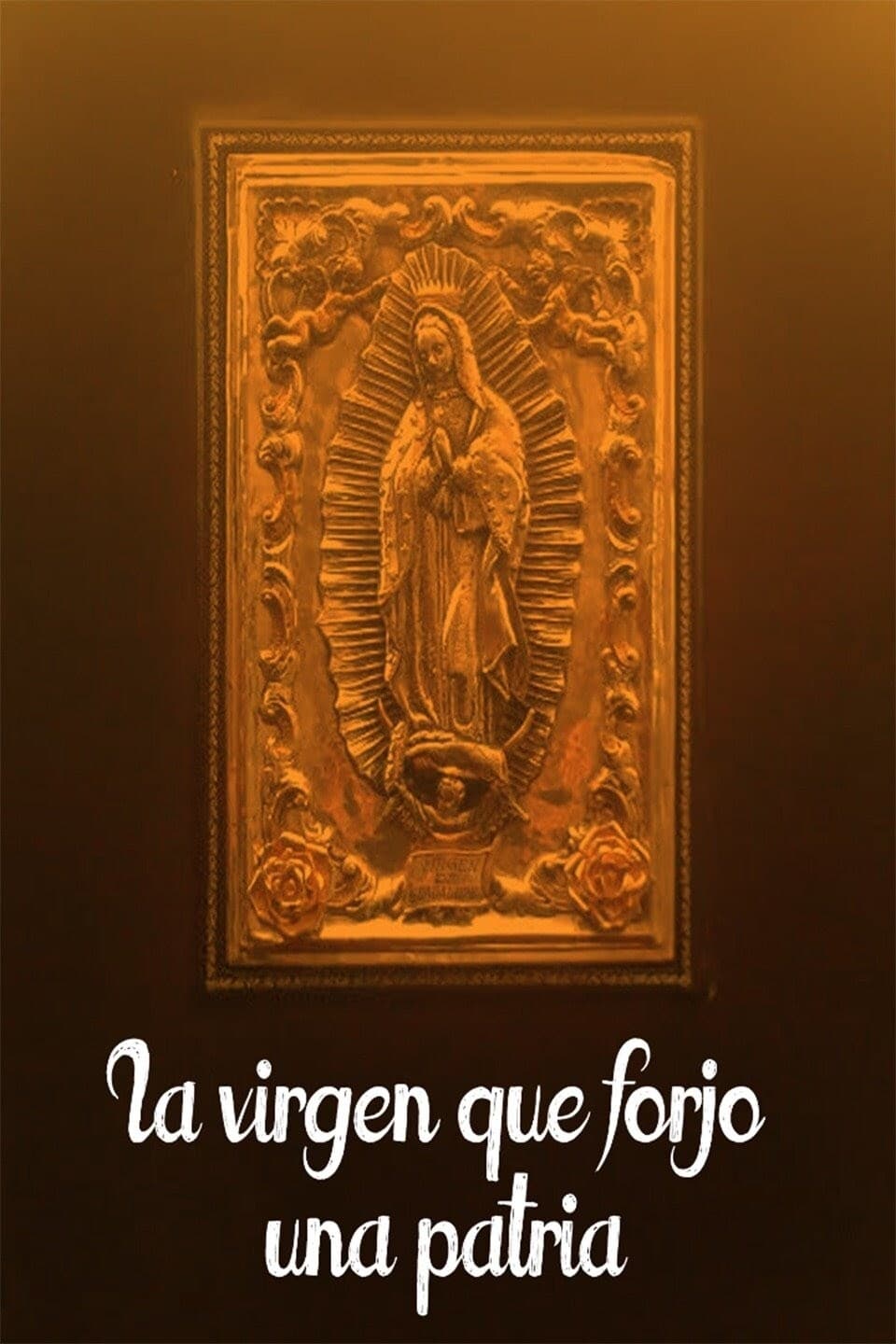
La virgen que forjó una patria
1942 film by Julio Bracho
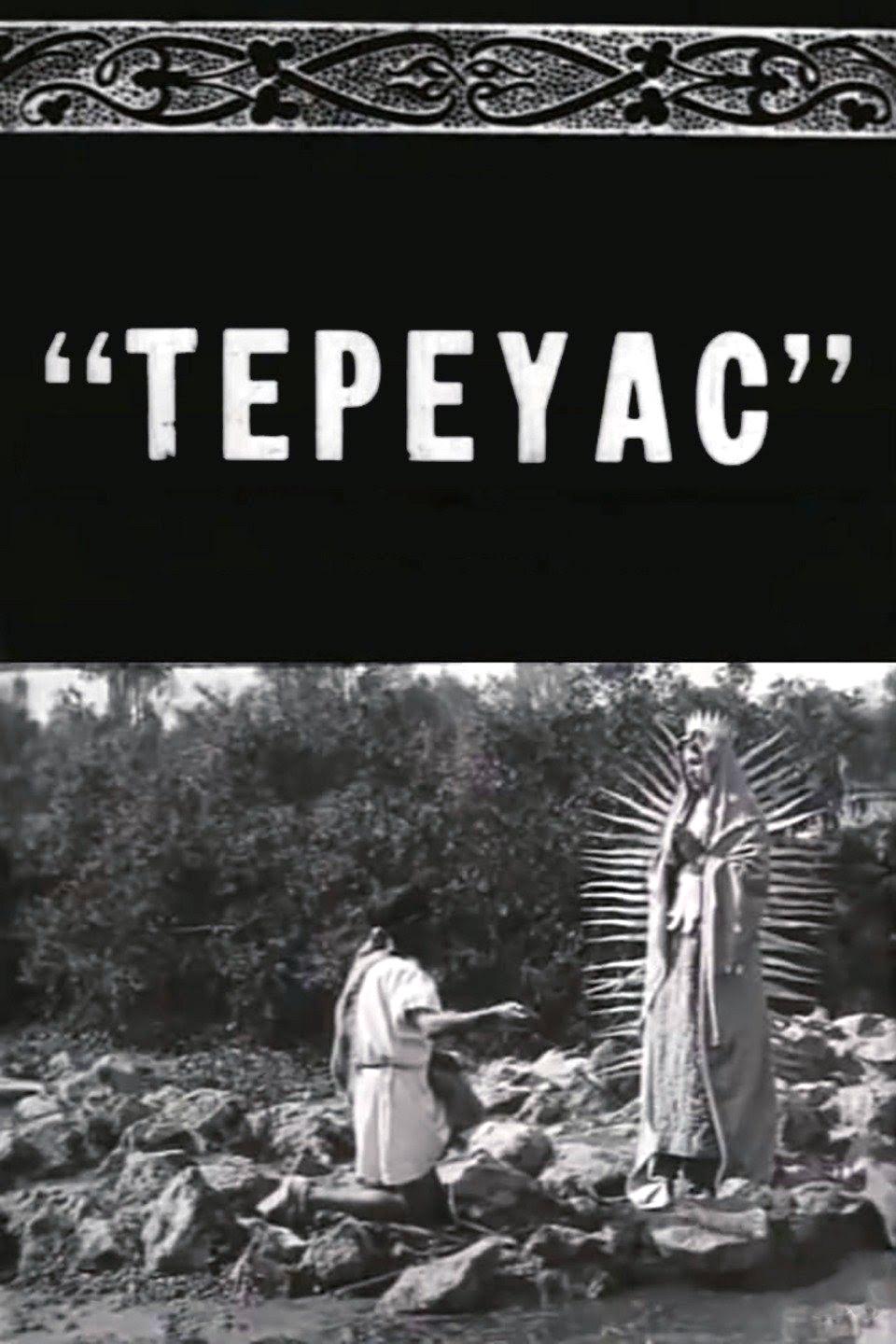
Tepeyac
1917 film
Basilica of Guadalupe, Monterrey
basilica in Monterrey, Mexico

Huei tlamahuiçoltica
religious tract written in Nahuatl, published in Mexico City in 1649