Category
page 1Pan (god)

Peter Pan
fictional character created by J. M. Barrie

Pan
Greek god of the mountain wilds, shepherds, flocks, rustic music, fertility, spring, and theatrical criticism, with the hindquarters, legs, and horns of a goat
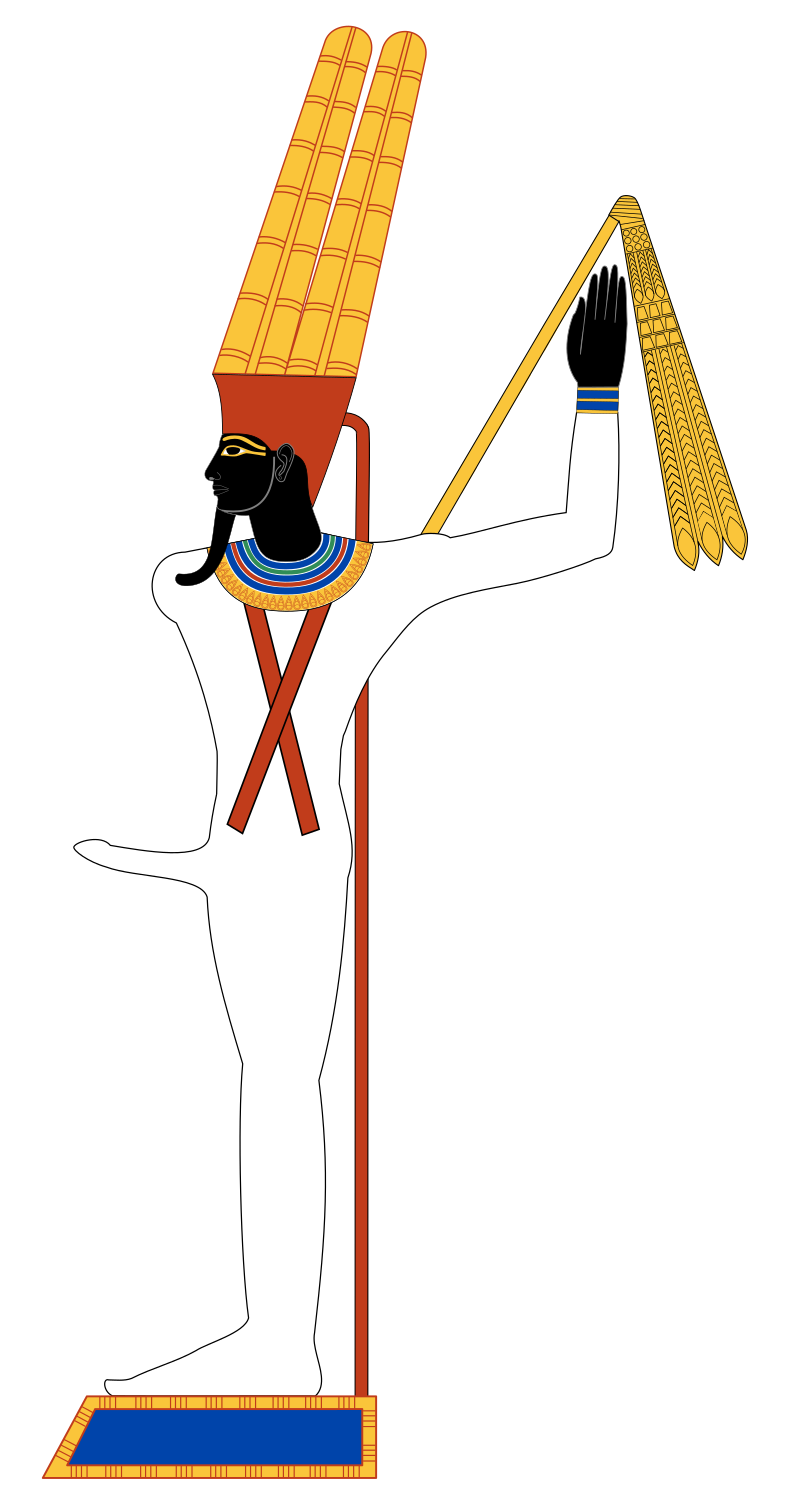
Min
Egyptian deity

pan flute
simple woodwind musical instrument, formed by tying various lengths of pipe together, now typically made from bamboo

The Wind in the Willows
English children's novel, 1908, originally unillustrated

Pheidippides
Pheidippides (; ; , , ) or Philippides () was a 5th-century-BC Athenian running courier who was the central figure in the story that inspired the marathon race.
Arcadia
historical region of ancient Greece

Faunus
thumb|200px|Faunus and Daphnis practising the [[Pan flute (Roman copy of Greek original).]]
In ancient Roman religion and myth, Faunus was the rustic god of the forest, plains and fields; when he made cattle fertile, he was called Inuus. He came to be equated in literature with the Greek god Pan, after which Romans depicted him as a horned god.
Parthenio
mountain range forming border of Arkadia and Argolis, Greece
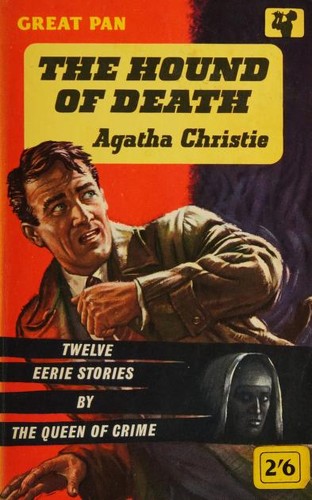
The Hound of Death
1933 short story collection by Agatha Christie

Dyskolos
Dyskolos (, , translated as The Grouch, The Misanthrope, The Curmudgeon, The Bad-tempered Man or Old Cantankerous) is an Ancient Greek comedy by Menander, the only one of his plays, and of the whole New Comedy, that has survived in nearly complete form. It was first presented at the Lenaian festival in Athens in 316 BCE, where it won Menander the first prize.
Was mir behagt, ist nur die muntre Jagd, BWV 208
cantata by Johann Sebastian Bach

The Great God Pan
1894 novel by Arthur Machen

The Lawnmower Man
short story by Stephen King

Playful Pan
1930 film by Burt Gillett
Céphale et Procris
opera by Élisabeth Jacquet de La Guerre
Lykaia
In Ancient Greece, the Lykaia () was an archaic festival with a secret ritual on the slopes of Mount Lykaion ("Wolf Mountain") in Arcadia. The rituals and myths of this primitive rite of passage centered upon an ancient threat of cannibalism and the possibility of a werewolf transformation for the epheboi (adolescent males) who were the participants. The festival occurred yearly, probably at the beginning of May.
Dusios
thumb|150px|right|St. Augustine in a 6th-century portrait
In the Gaulish language, Dusios was a divine being among the continental Celts who was identified with the god Pan of ancient Greek religion and with the gods Faunus, Inuus, Silvanus, and Incubus of ancient Roman religion. Like these deities, he might be seen as multiple in nature, and referred to in the plural (dusioi), most commonly in Latin as dusii. Although the Celtic Dusios is not described in late-antique sources independently of Greek and Roman deities, the common functionality of the others lay in their ability to impregnate an