Category
page 1Pan-Africanism

Pan-Africanism
thumb|264px|The red, black, and green flag, associated with Pan-Africanism and Black nationalism designed by the UNIA in 1920.

ubuntu
Southern African philosophy

Pan-African colours
red, gold, green and black
Senegambia Confederation
former confederation between Senegal and The Gambia
Négritude
Négritude (from French "nègre" and "-itude" to denote a condition that can be translated as "Blackness"; ) is a framework of critique and literary theory, mainly developed by francophone intellectuals, writers, politicians, and visual artists in the African diaspora during the 1930s, aimed at raising and cultivating "black consciousness" across Africa and its diaspora. The progenitors of Négritude included the Martinican poet Aimé Césaire, Abdoulaye Sadji, Léopold Sédar Senghor (the first President of Senegal), and Léon Damas of French Guiana. Négritude intellectuals disavowed colonialism, rac

Afrocentrism
Afrocentrism is a racialized worldview that is centered on the history of people of Black African descent or a view that favors it over non-African civilizations. It is in some respects a response to Eurocentric attitudes about African people and their historical contributions. It seeks to counter what it sees as mistakes and ideas perpetuated by the racist philosophical underpinnings of Western academic disciplines as they developed during and since Europe's Early Renaissance as justifying rationales for the enslavement of other peoples, in order to enable more accurate accounts of not only A
Alliance of Sahel States
inter-state military alliance for the collective defense architecture of the states of Niger, Burkina Faso and Mali
Pan-African flag
flag using the Pan-African colours
Year of Africa
1960, year of the independence of 17 African countries
Africanization
Africanization or Africanisation (lit., making something African) has been applied in various contexts, notably in geographic and personal naming and in the composition of the civil service via processes such as indigenization.
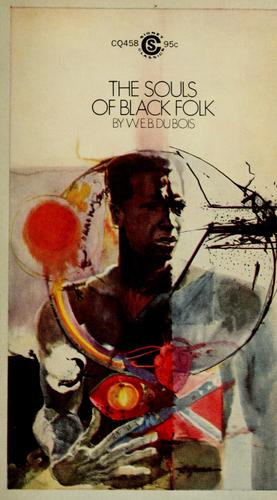
The Souls of Black Folk
collection of essays by W.E.B. Du Bois
Pan-African Congress
series of meetings to address the issues facing Africa as a result of European colonization of most of the continent
African American studies
academic field focusing on peoples of the African diaspora and Africa
Maafa
The Maafa (Swahili for "Great disaster"), the African Holocaust, the Holocaust of Enslavement, or the Black Holocaust are political neologisms popularized since 1988 to describe the history and ongoing effects of atrocities inflicted upon Black people worldwide. Of particular focus are those committed by non-Africans (specifically Europeans and Arabs in the context of the Trans-Saharan slave trade, the Indian Ocean slave trade, the Red Sea slave trade, and the Atlantic slave trade), which continue to the present day through imperialism, colonialism and other forms of oppression.
Black Star of Africa
symbol of Africa or Ghana
Template:Pan-African
Wikimedia template
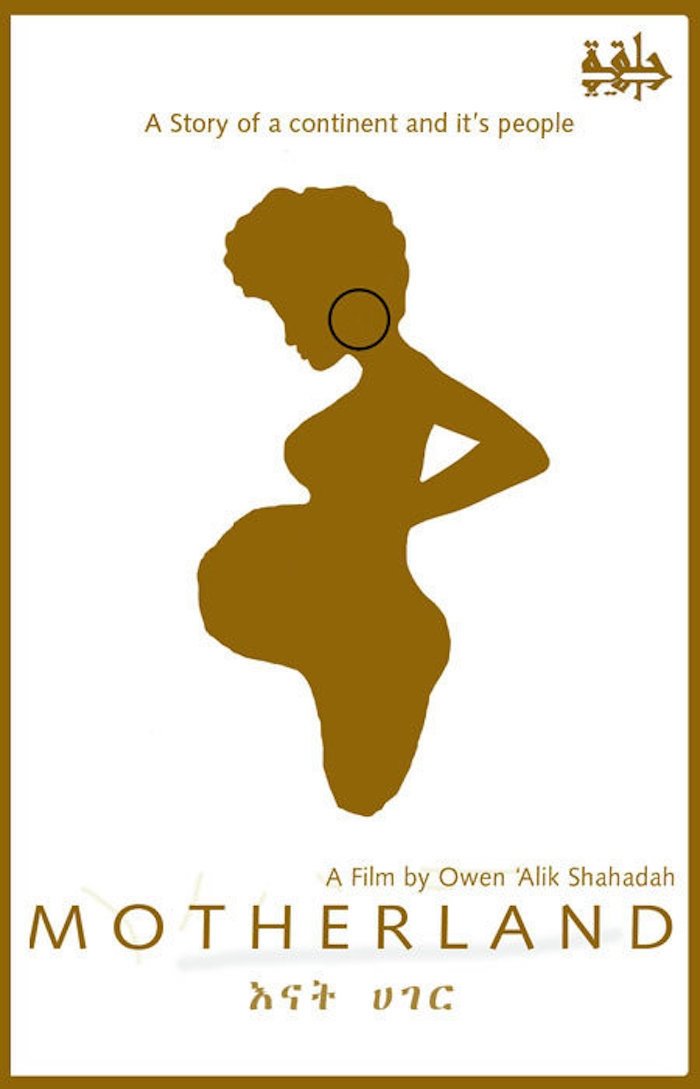
Motherland
2010 film by Owen 'Alik Shahadah
Hoteps
Hoteps are members of an African American subculture that adopts ancient Egyptian history as a source of Black pride. They have been described as promoting pseudohistory and misinformation about African-American history. Hoteps espouse a mixture of Black radicalism and social conservatism. Notable people who have promoted hotep ideas, or have been described as part of hotep subculture, include Kanye West, Kyrie Irving, and Umar Johnson.
Mardi Gras Indians
african-American carnival organizations in New Orleans
Africanfuturism
Africanfuturism is a cultural aesthetic and philosophy of science that centers on the fusion of African culture, history, mythology, point of view, with technology based in Africa. It was coined in 2018 by Nigerian-American writer Nnedi Okorafor, who expanded the concept in her 2019 blog post "Africanfuturism defined". Nnedi Okorafor defines Africanfuturism as a sub-category of science fiction that is "directly rooted in African culture, history, mythology and point-of-view..and...does not privilege or center the West," is centered with optimistic "visions in the future," and is written by (an
African century
African belief