Category
page 1Pandemics

COVID-19 pandemic
pandemic caused by SARS-CoV-2 (2019–2023)

HIV/AIDS
The human immunodeficiency virus (HIV) is a retrovirus that attacks the immune system. Without treatment, it can lead to a spectrum of conditions including acquired immunodeficiency syndrome (AIDS). It is a preventable disease. It can be managed with treatment and become a manageable chronic health condition. While there is no cure or vaccine for HIV, antiretroviral treatment can slow the course of the disease, and, if used before significant disease progression, can extend the life expectancy of someone living with HIV to a nearly standard level. An HIV-positive person on treatment can expect

virus
A virus is a submicroscopic infectious agent that replicates only inside the living cells of an organism. Viruses infect all life forms, from animals and plants to microorganisms, including bacteria and archaea. Viruses are found in almost every ecosystem on Earth and are the most numerous type of biological entity. Since Dmitri Ivanovsky's 1892 article describing a non-bacterial pathogen infecting tobacco plants and the discovery of the tobacco mosaic virus by Martinus Beijerinck in 1898, more than 16,000 of the millions of virus species have been described in detail. The study of viruses is
.jpg)
pandemic
thumb|300px|Early in the COVID-19 pandemic, [[convention centers (pictured here) were deemed to be ideal sites for temporary hospitals, due to their existing infrastructure (electrical, water, sewage). Hotels and dormitories were also considered appropriate because they can use negative pressure technology.]]
cholera
Cholera () is an infection of the small intestine by some strains of the bacterium Vibrio cholerae. Symptoms may range from none, to mild, to severe. The classic symptom is large amounts of watery diarrhea lasting a few days. Vomiting and muscle cramps may also occur. Diarrhea can be so severe that it leads within hours to severe dehydration and electrolyte imbalance. This can in turn result in sunken eyes, cold or cyanotic skin, decreased skin elasticity, wrinkling of the hands and feet, and, in severe cases, death. Symptoms start two hours to five days after exposure.

swine influenza
infection caused by any one of several types of swine influenza viruses
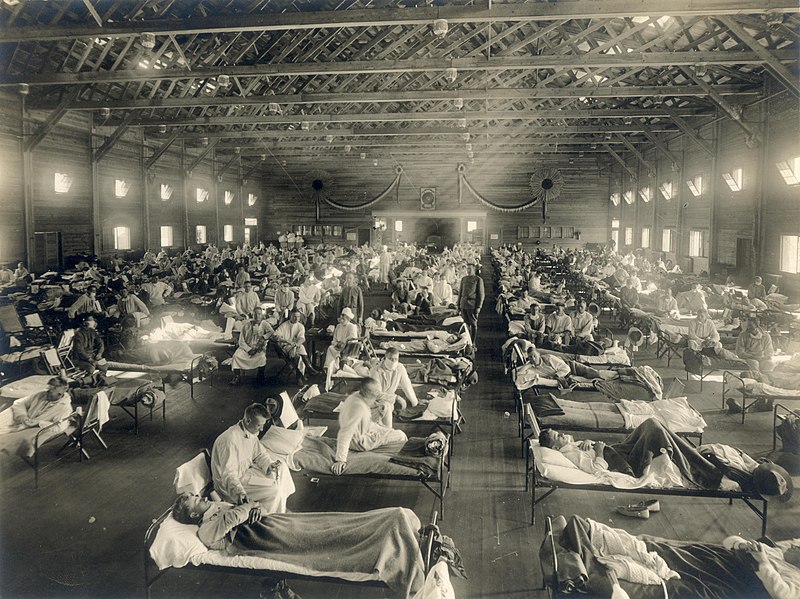
1918–1920 flu pandemic
1918–1920 global influenza pandemic caused by the H1N1 influenza A virus

Antonine Plague
pandemic

basic reproduction number
metric in epidemiology showing average measure of a pathogen’s infectiousness
contact tracing
process of finding and identifying people in close contact with someone who is infected with a transmissible pathogen
Plague of Cyprian
pandemic in the Roman Empire (249–262 CE)
disease X
placeholder name that was adopted by the World Health Organization (WHO) in February 2018 on a shortlist of blueprint priority diseases to represent a hypothetical, unknown pathogen that could cause a future epidemic
list of epidemics
Wikimedia list article
viral load
amount of virus found in host tissue or a given volume of fluid
epidemiology of HIV/AIDS
pandemic of Human Immunodeficiency Virus
pandemic prevention
measures to reduce causes of new infectious diseases and prevent outbreaks and epidemics from becoming pandemics
Crimson Contagion
simulation testing U.S. response to a severe influenza pandemic
Pandemic severity index
proposed measure of the severity of influenza
super-spreading event
event where a disease host disproportionally infects more secondary contacts than others infected with the same disease