Category
page 1Papermaking

paper
Paper is a thin sheet of matted cellulose fibers. Largely derived from lignocellulose, paper is created from a pulp dissolved into a slurry that is drained and dried into sheets. Different types of paper are defined by constituent fiber, paper pulp, sizing, coating, paper size, paper density and grammage.

cellulose
Cellulose is an organic compound with the formula , a polysaccharide consisting of a linear chain of several hundred to many thousands of β(1→4) linked D-glucose units. Cellulose is an important structural component of the cell walls of green plants, many forms of algae, and the oomycetes. Some species of bacteria secrete it to form biofilms. Cellulose is the most abundant organic polymer on Earth. The cellulose content of cotton fibre is 90%, that of wood is 40–50%, and that of dried hemp is approximately 57%.
.jpg)
resin
thumb|right|Insect trapped in resin
thumb|upright|Cedar of Lebanon cone showing flecks of resin as used in the [[mummification of Egyptian Pharaohs ]]

lignin
thumb|500px|Idealized structure of lignin from a softwood
Lignin is a class of complex organic polymers that form key structural materials in the support tissues of most plants. Lignins are particularly important in the formation of cell walls, especially in wood and bark, because they lend rigidity and do not rot easily. Chemically, lignins are polymers made by the cross-linking of phenolic precursors.
Broussonetia papyrifera
species of plant

turpentine
Turpentine (which is also called spirit of turpentine, oil of turpentine, terebenthine, terebenthene, terebinthine and, colloquially, turps) is a fluid obtainable by the distillation of resin harvested from living trees, mainly pines. Principally used as a specialized solvent, it is also a source of material for organic syntheses.
watermark
thumb|Machine-made watermark on a 19th century letter
A watermark is an identifying image or pattern in paper that appears as varying shades of light and dark when viewed by either transmitted light or reflected light. These patterns are created from variations in the thickness or density of the paper. Watermarks have historically been used on postage stamps, currency, and other official documents to discourage counterfeiting. There are two primary methods of producing watermarks in paper: the dandy roll process and the more complex cylinder mould process.

Amorphophallus konjac
species of plant
paper pulp
fibrous material used notably in papermaking
lignoceric acid
chemical compound

calender
thumb|Calender process
thumb|Calender at end of paper machine
thumb|Old calender machine
thumb|Threading paper through calender rolls, 1941
thumb|Calender machine for electrode pressing in lithium-ion battery manufacturing
paper mill
a mill (factory) that produces paper

bagasse
thumb|right|250px|Sugarcane bagasse in Hainan, China
Bagasse ( ) is the dry pulpy fibrous material that remains after crushing sugarcane or sorghum stalks to extract their juice. It is used as a biofuel for the production of heat, energy, and electricity, and in the manufacture of pulp and building materials. Agave bagasse is similar, but is the material remnants after extracting blue agave sap.
paper machine
machine used to manufacture paper products

papermaking
thumb|A sheet of fibres which were just collected from the liquid suspension with the screen. The next steps are to press it and to dry it.
thumb|The Diamond Sutra of the China|Chinese [[Tang dynasty, the oldest dated printed book in the world, found at Dunhuang, from 868 CE]]
kraft process
industrial process to extract pure cellulose from wood pulp
Korean paper
traditional handmade paper from Korea
coated paper
paper which has been coated by a compound or polymer
newspaper format
physical characteristics of a newspaper
tall oil
viscous liquid obtained as a by-product of wood pulp manufacture

sizing
Sizing or size is a substance that is applied to, or incorporated into, other materials—especially papers and textiles—to act as a protective filler or glaze. Sizing is used in papermaking and textile manufacturing to change the absorption and wear characteristics of those materials.
optical brightener
blue fluorescent dye used to enhance apparent brightness of white paper, fabric, and plastics
filler
particles added to a matrix material, usually to improve its properties or reduce cost
Hollander beater
Dutch machine to produce paper pulp

sulfite process
industrial process to extract pure cellulose from wood pulp

Black liquor
By-product from the Kraft process for making paper pulp
filigranology
Filigranology is the study of watermarks. It is usually pursued in order to discover information about the date and origin for a paper-based piece of writing or a piece of art. There are several catalogues of watermarks – most notably C. M. Briquet's, Les Filigranes (1907), which dealt mainly with the period up to 1600, and Edward Heawood's Watermarks, Mainly of the 17th and 18th Centuries (1950), both of which include illustrations of many watermarks from dated documents. These catalogues form an important resource for researchers.
Samarqandi paper
uzbek mulberry paper
foxing
thumb|Heavy foxing on the title page of an 1832 [[textbook]]
lignosulfonates
Lignosulfonates (LS) are water-soluble anionic polyelectrolyte polymers: they are byproducts from the production of wood pulp using sulfite pulping. LS's are used for emulsion stabilization and Dispersants,a binder to suppresses dust on unpaved roads, and in water treatment.
deinking
Deinking is the industrial process of removing printing ink from paperfibers of recycled paper to make deinked pulp.
Rag paper
Paper made from discarded textiles
molded pulp
packaging material
Deckle-edge
Feathery edge at the border of a sheet of hand- or mold-made paper

bleaching of wood pulp
chemical process in paper making
Kappa number
measure of lignin content in wood pulp
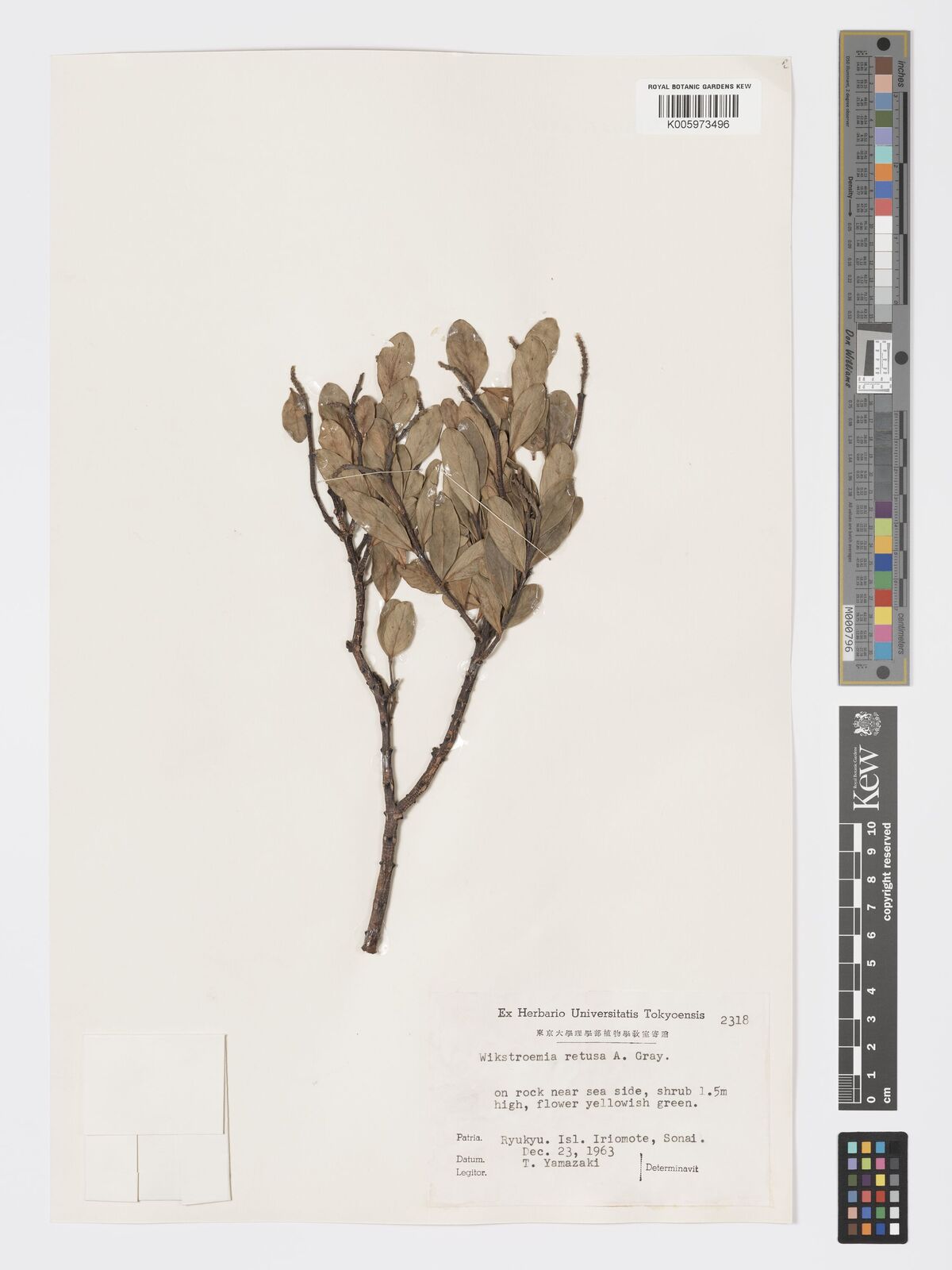
Wikstroemia retusa
species of plant
Henry Fourdrinier
British inventor (1766-1854)
pulpwood
Pulpwood can be defined as timber that is ground and processed into a fibrous pulp. It is a versatile natural resource commonly used for paper-making but also made into low-grade wood and used for chips, energy, pellets, and engineered products.thumb|239x239px|Harvesting a stand of eucalyptus pulpwood in Australia.
alkyl ketene dimer
class of chemical compounds
Recovery boiler
industrial equipment used in pulping
Daluang paper
Indonesian beaten bark paper
colorimetric whiteness
degree to which a surface is white