Category
page 1Papillomavirus
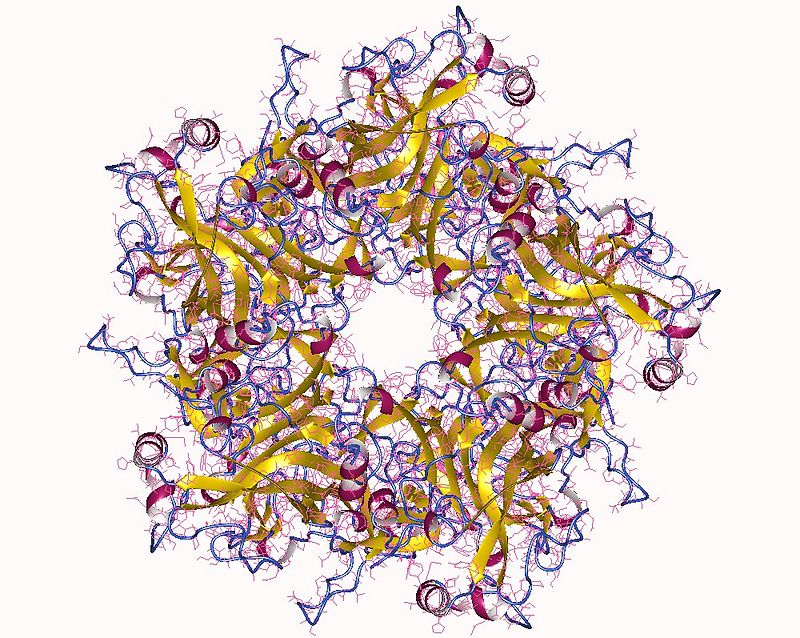
human papillomavirus infection
infection caused by the human papillomavirus (HPV)

Harald zur Hausen
German virologist and professor emeritus (1936–2023)

HPV vaccine
class of vaccines against human papillomavirus
Gardasil
Gardasil is an HPV vaccine for use in the prevention of certain strains of human papillomavirus (HPV). It was developed by Merck & Co. High-risk human papilloma virus (hr-HPV) genital infection is the most common sexually transmitted infection among women. The HPV strains that Gardasil protects against are sexually transmitted, specifically HPV types 6, 11, 16 and 18. HPV types 16 and 18 cause an estimated 70% of cervical cancers, and are responsible for most HPV-induced anal, vulvar, vaginal, and penile cancer cases. HPV types 6 and 11 cause an estimated 90% of genital warts cases. HPV type 1

Papillomaviridae
Papillomaviridae is a family of non-enveloped double-stranded DNA viruses whose members are known as papillomaviruses. Several hundred species of papillomaviruses, traditionally referred to as "types", have been identified infecting all carefully inspected mammals, but also other vertebrates such as birds, snakes, turtles and fish. Infection by most papillomavirus types, depending on the type, is either asymptomatic (e.g. most Beta-PVs) or causes small benign tumors, known as papillomas or warts (e.g. human papillomavirus 1, HPV6 or HPV11). Papillomas caused by some types, however, such as hum
Cervarix
Cervarix is a vaccine against certain types of cancer-causing human papillomavirus (HPV).

koilocyte
thumb|350px|ThinPrep pap smear with group of normal cervical cells on left and [[HPV-infected cells showing features typical of koilocytes: enlarged (x2 or x3) nuclei and hyperchromasia.]]
Ian Frazer
British–Australian immunologist

Stefania Jabłońska
Polish dermatologist (1920–2017)
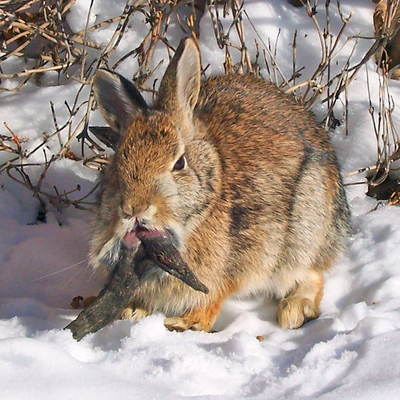
Shope papilloma virus
papilloma virus