Category
page 1Parasitic diseases

African trypanosomiasis
parasitic disease

filariasis
Filariasis is a filarial infection caused by parasitic nematodes (roundworms) spread by different vectors. They are included in the list of neglected tropical diseases.
trichuriasis
parasitic infectious diseases
infectious disease caused or transmitted by a parasite

Echinococcus multilocularis
species of worm

lymphedema
.jpg)
Trichinella
Trichinella is the genus of parasitic roundworms of the phylum Nematoda that cause trichinosis (also known as trichinellosis). Members of this genus are often called trichinella or trichina worms. A characteristic of Nematoda is the one-way digestive tract, with a pseudocoelom (body cavity made up of only an ectoderm and endoderm).
coccidiosis
Coccidiosis is a parasitic disease of the intestinal tract of animals caused by coccidian protozoa. The disease spreads from one animal to another by contact with infected feces or ingestion of infected tissue. Diarrhea, which may become bloody in severe cases, is the primary symptom. Most animals infected with coccidia are asymptomatic, but young or immunocompromised animals may suffer severe symptoms and death.

Loa loa
species of worm

taeniasis
Taeniasis is an infection within the intestines by adult tapeworms belonging to the genus Taenia. There are generally no or only mild symptoms. Symptoms may occasionally include weight loss or abdominal pain. Segments of tapeworm may be seen in the stool. Complications of pork tapeworm may include cysticercosis.
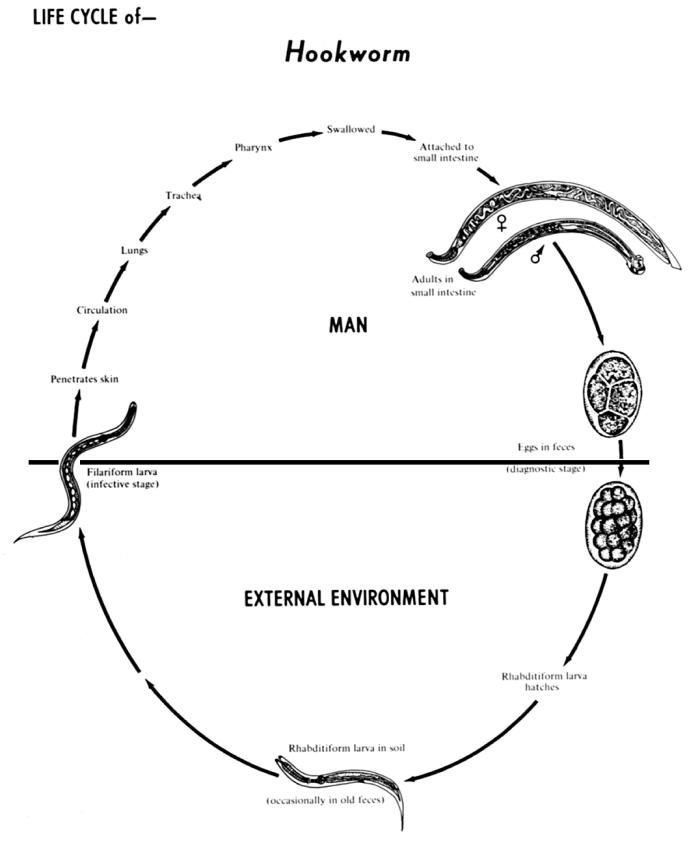
Ancylostoma duodenale
species of worm

Haemonchus contortus
very common parasite of ruminants that attatch to the abomasal mucosa and feed on the blood

Ancylostoma caninum
species of worm

Sarcocystis
Sarcocystis is a genus of protozoan parasites, with many species infecting mammals, reptiles and birds. Its name is derived from Greek sarx = flesh and kystis = bladder.

distomatosis
Trematodiasis is a group of parasitic infections caused by different species of flukes, in humans mainly by digenean trematodes. Symptoms can range from mild to severe depending on the species, number and location of trematodes in the infected organism. Symptoms depend on the type of trematode present, and include chest and abdominal pain, high temperature, digestion issues, cough and shortness of breath, diarrhoea and change in appetite.

Ancylostoma braziliense
species of worm
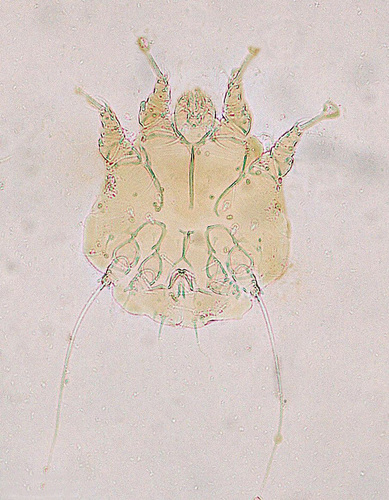
Notoedres cati
species of arachnid
Baylisascaris
Baylisascaris is a genus of roundworms that infect more than fifty animal species.
soil-transmitted helminthiasis
class of diseases
Capillaria philippinensis
species of worm

Heterakis gallinarum
species of worm

Dipylidium
thumb|250px|Dipylidium life cycle
Casoni test
skin test used in the diagnosis of hydatid disease
Amphistomiasis
Amphistomiasis is a parasitic disease of livestock animals, more commonly of cattle and sheep, and humans caused by immature helminthic flatworms belonging to the order Echinostomida. The term amphistomiasis is used for broader connotation implying the disease inflicted by members of Echinostomida including the family Paramphistomidae/Gastrodiscidae (to be precise, the species Gastrodiscoides hominis); whereas paramphistomiasis is restricted to that of the members of the family Paramphistomidae only. G. discoides and Watsonius watsoni are responsible for the disease in humans, while most param