Category
page 1Parasitic insects

Epipyropidae
thumb|Epipyrops exigua, female
The Epipyropidae comprise a small family of moths. This family and the closely related Cyclotornidae are unique among the Lepidoptera in that the larvae are ectoparasites, the hosts typically being fulgoroid planthoppers, thus the common name planthopper parasite moths. The family undergoes hypermetamorphosis, metamorphosing from triungular first instar larvae to highly modified second instars.
parasitoid wasp
evolutionary grade of hymenopteran superfamilies
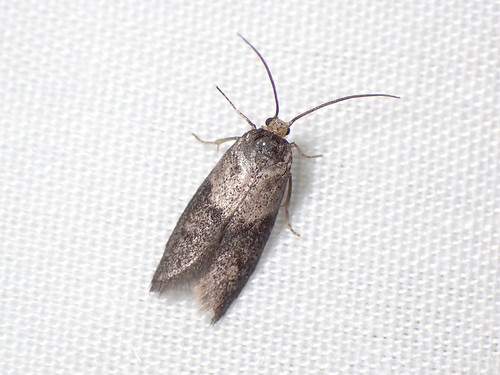
Cyclotorna
Cyclotorna is a genus of moths, the sole one of family Cyclotornidae, with five recognized species, all endemic to Australia. This family and the closely related Epipyropidae are unique among the Lepidoptera in that the larvae are ectoparasites, the hosts in this case typically being leafhoppers, sometimes scale insects. The larvae of cyclotornids, however, leave the hemipteran host and become predatory on the brood in ant nests, apparently using chemical cues to induce the ants to carry the larvae into the ant nest.
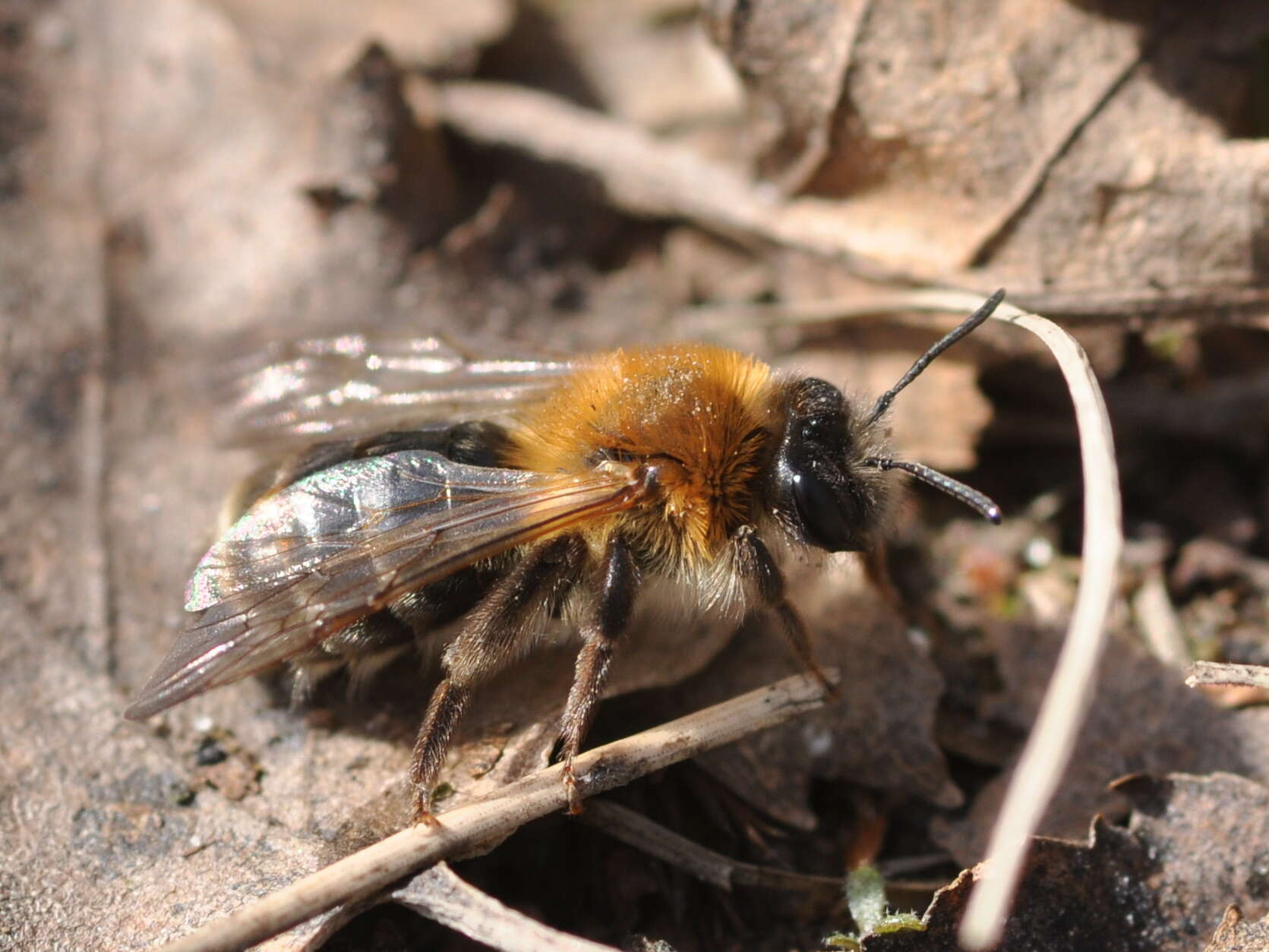
Stylopidae
Stylopidae is a family in the order Strepsiptera. There are about 15 genera and more than 330 described species in Stylopidae.

Beaver beetle
species of insect

Stylops
thumb|
Stylops is a genus of obligately endoparasitic insects in the family Stylopidae. Hosts are typically members of the order Hymenoptera.

Ischnocera
Ischnocera is a large parvorder of lice from the infraorder Phthiraptera. The parvorder consists of chewing lice, which feed on the feathers and skin debris of birds. Many species of Ischnocera have evolved an elongated body shape, which allows them to conceal themselves within plumage to avoid being dislodged during preening or flight. Species in Ischnocera spend their entire lives living on a host and attach themselves to hippoboscid flies to help move across individual birds. Ischnocera contain the large family Philopteridae, along with a few other minor families. Ischnocera are distributed

Phengaris rebeli
species of insect

Pseudopulex
Pseudopulex is an extinct genus of primitive fleas that lived between the Middle Jurassic and Early Cretaceous periods in what is now modern-day China. The Latin root for the name Pseudopulex roughly translates to "false fleas".
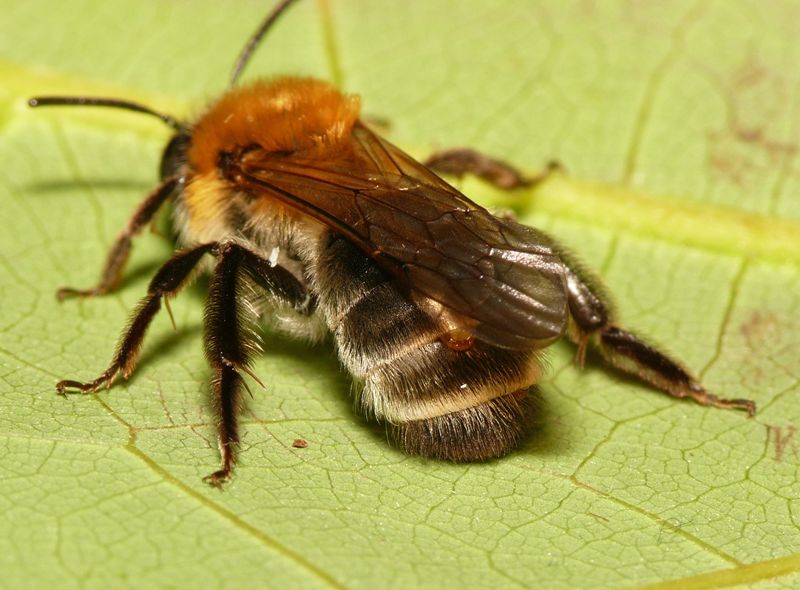
Stylops melittae
species of insect
Lomamyia latipennis
species of insect
Bothrideres cryptus
species of insect
Planidium
thumb|Planidia and larva of a parasitoid wasp of the Perilampidae family.
thumb|Triungulin, later larval, and other instars of a Blister beetle|Meloid beetle.
thumb|Planidia of a Meloidae|Meloid beetle in opportunistic phoresy on a male solitary bee ([[Andrena carlini), awaiting contact with a female, whose nest they then could invade.]]
A planidium is a specialized form of insect larva seen in the first-instar of a few families of insects that have parasitoidal ways of life. They are usually flattened, highly sclerotized (hardened), and quite mobile. The function of the planidial stage is to
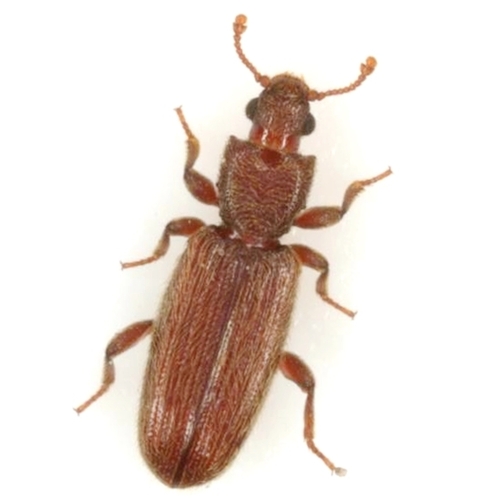
Bothrideres geminatus
species of insect