Category
page 1Parasitica
Parasitica
Parasitica (the parasitican wasps) is an obsolete, paraphyletic infraorder of Apocrita containing the parasitoid wasps. It includes all Apocrita except for the Aculeata. Parasitica has more members as a group than both the Symphyta and the Aculeata combined.

Diapriidae
thumb|left|undetermined Diapriidae from Costa RicaThe Diapriidae are a family of parasitoid wasps. These tiny insects have an average length of 2–4 mm and never exceed 8 mm. They typically attack larvae and pupae of a wide range of insects, especially flies. The about 2,300 described species in around 200 described genera are divided into three subfamilies, and the group has a global distribution.
Trigonalidae
Trigonalidae is a family of parasitic wasps in the suborder Apocrita. They are the only living members of the superfamily Trigonaloidea. Trigonalidae are divided into 2 subfamilies; Orthogonalinae and Trigonalinae. These wasps are extremely rare, but surprisingly diverse, with over 90 species in 16 genera, and are known from all parts of the world. It is possibly the sister group to all Aculeata.
Mymarommatidae
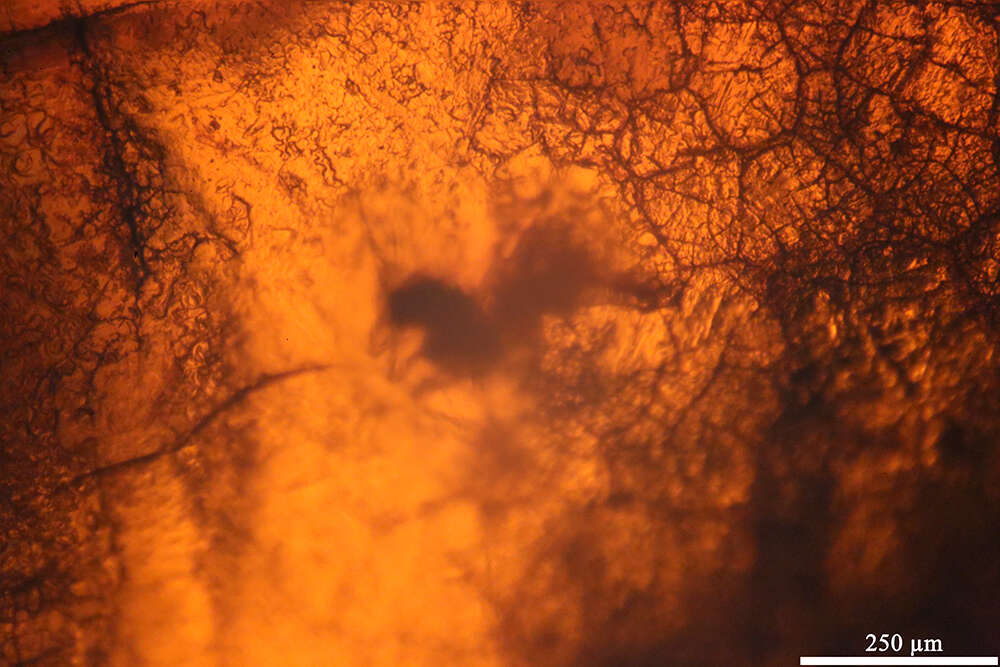
The Mymarommatidae, sometimes referred to as false fairy wasps, are a very small family of microscopic parasitic wasps. Only about half of the known species are living taxa (the others are fossils), but they are found worldwide.
Megalyridae
Megalyroidea is a small hymenopteran superfamily of wasps that includes a single family, Megalyridae, with eight extant genera (plus around a dozen extinct ones) and 49 described species. Modern megalyrids are found primarily in the southern hemisphere, though fossils have only been found in the northern hemisphere. The most abundant and species-rich megalyrid fauna is in Australia. Another peak of diversity appears to be in the relict forests of Madagascar, but most of these species are still undescribed.
Spilomicrus
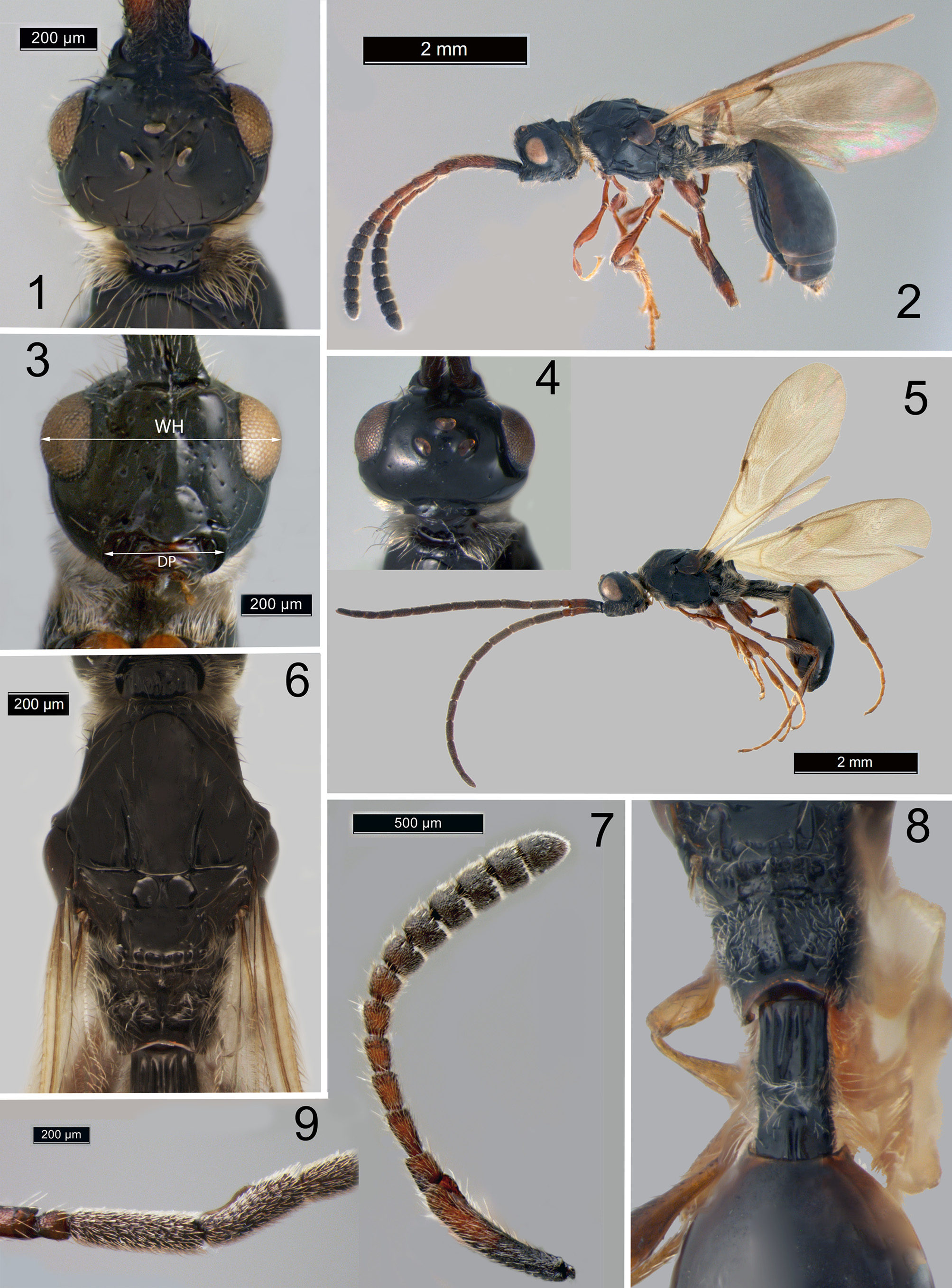
Spilomicrus is a genus of hymenopterans in the family Diapriidae.
Diaprioidea
Diaprioidea is a hymenopteran superfamily containing five extant families; in the past these families were included in the superfamily Proctotrupoidea.
Maimetshidae
Maimetshidae is an extinct family of wasps, known from the Cretaceous period. While originally considered relatives of Megalyridae, they are now considered to probably be close relatives of Trigonalidae.
Mymarommatoidea
The Mymarommatoidea are a very small superfamily of microscopic fairyfly-like parasitic wasps. It contains only a single living family, Mymarommatidae, and three other extinct families known from Cretaceous aged amber. Less than half of all described species are living taxa (the others are fossils), but they are known from all parts of the world. Undoubtedly, many more await discovery, as they are easily overlooked and difficult to study due to their extremely small size (most have an overall length of around 0.3 mm).
Xenomorphia
Xenomorphia is an extinct genus of parasitoid wasp comprising two species: X. resurrecta (the type species) and X. handschini. The generic name is in reference to the parasitic Xenomorph creature starring in the Alien franchise. The wasp's first fossils were discovered in Oligocene (Chattian) aged phosphorite mines located in the former Quercy province of France, the remains of 55 ancient fly (Phoridae) pupae were found preserved with Xenomorphia wasps inside of them, recording a parasitic relationship between the two insects. Along with the two Xenomorphia wasp species, two other new wasp tax
Parabetyla pokorua
species of insect
Afrapia
Afrapia is an extinct genus of wasp which existed in Botswana during the late Cretaceous period. It contains the species Afrapia globularis and Afrapia variicornis.
Parabetyla spinosa
species of insect
Afromaimetsha
Afromaimetsha robusta is an extinct species of wasp which existed in Botswana during the late Cretaceous period, and the only species in the genus Afromaimetsha.
Paramesius
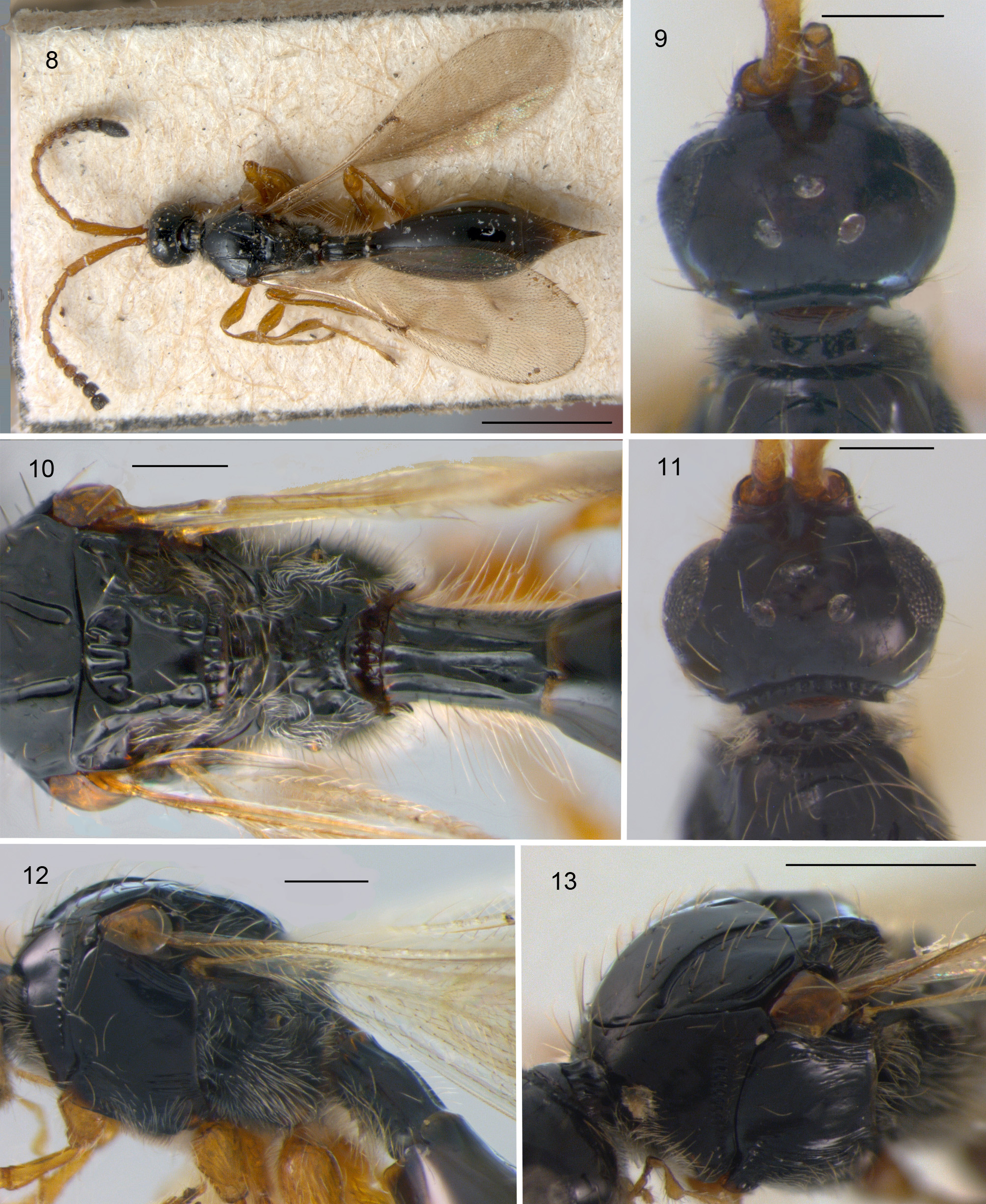
Paramesius is a genus of hymenopterans in the family Diapriidae.
Parabetyla
Parabetyla is a genus of diapriid wasps, and was first described in 1922 by the American entomologist, Charles Thomas Brues. The type species is Parabetyla spinosa.
Diapriinae
Diapriinae is a subfamily of parasitoid wasps.