Category
page 1Parvorders
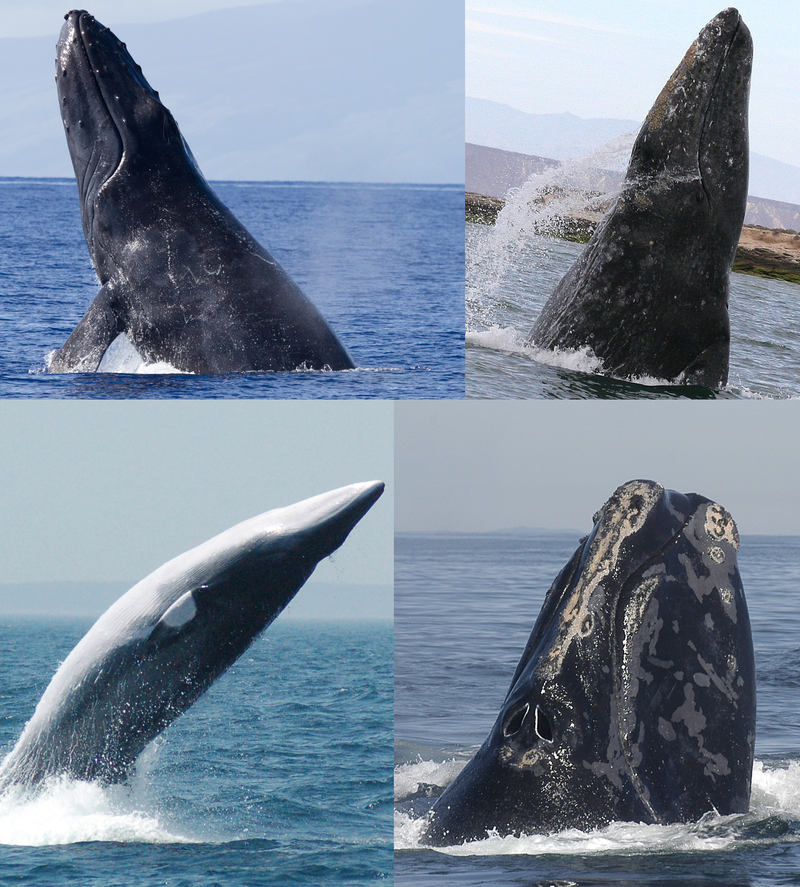
Mysticeti
parvorder of mammals

Odontoceti
suborder of the order cetaceans (Cetacea)

Platyrrhini
infraorder of mammals

Catarrhini
The parvorder Catarrhini (known commonly as catarrhine monkeys, Old World anthropoids, or Old World monkeys) consists of the Cercopithecoidea (Old World monkeys) and Hominoidea (apes). In 1812, Geoffroy grouped those two groups together and established the name Catarrhini, "Old World monkeys", ("''singes de l'Ancien Monde" in French). Its sister in the infraorder Simiiformes (simians) is the parvorder Platyrrhini (New World monkeys). There has been some resistance to directly designate apes (and thus humans) as monkeys despite the scientific evidence, so "Old World monkey" may be taken to mean
.jpg)
Musteloidea
Musteloidea is a superfamily of carnivoran mammals united by shared characteristics of the skull and teeth. Musteloids are the sister group of pinnipeds, the group which includes seals and allies.
Passerida
Passerida are one of four parvorders contained within the infraorder Passerides.

Caviomorpha
Caviomorpha is the rodent parvorder that unites all New World hystricognaths. It is supported by both fossil and molecular evidence. The Caviomorpha was for a time considered to be a separate order outside the Rodentia, but is now accepted as a genuine part of the rodents. Caviomorphs include the extinct Heptaxodontidae (giant hutias), the extinct Josephoartigasia monesi (the largest rodent ever known) and extant families of chinchilla rats, hutias, guinea pigs and the capybara, chinchillas and viscachas, tuco-tucos, agoutis, pacas, pacaranas, spiny rats, New World porcupines, coypu and octodo
Phiomorpha
The rodent parvorder or infraorder Phiomorpha comprises several living and extinct families found wholly or largely in Africa. Along with Anomaluromorpha and perhaps the extinct Zegdoumyidae, it represents one of the few early colonizations of Africa by rodents.
Muscicapida
Muscicapida is a clade of birds in the order Passeriformes. Oliveros, C.H. et al. (2019) suggested a gondwanan migration of this lineage from Australia to Eurasia.