Category
page 1Peltigerales
Peltigerales
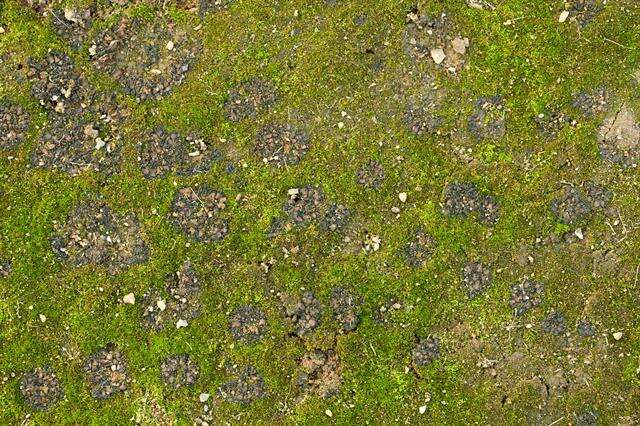
Peltigerales is an order of lichen-forming fungi belonging to the class Lecanoromycetes in the division Ascomycota. The taxonomy of the group has seen numerous changes; it was formerly often treated as a suborder of the order Lecanorales. It contains two suborders, eight families and about 45 genera such as Lobaria and Peltigera.

Collema
Collema (jelly lichen) is a genus of lichens in the family Collemataceae. The photobiont is the cyanobacterium genus Nostoc. Species in this genus typically grow on nutrient-rich bark or somewhat siliceous or calcareous rocks in humid environments.

Collemataceae
The Collemataceae are a family of mostly lichen-forming fungi in the order Peltigerales. The family contains twelve genera and about 325 species. The family has a widespread distribution.
Placynthiaceae
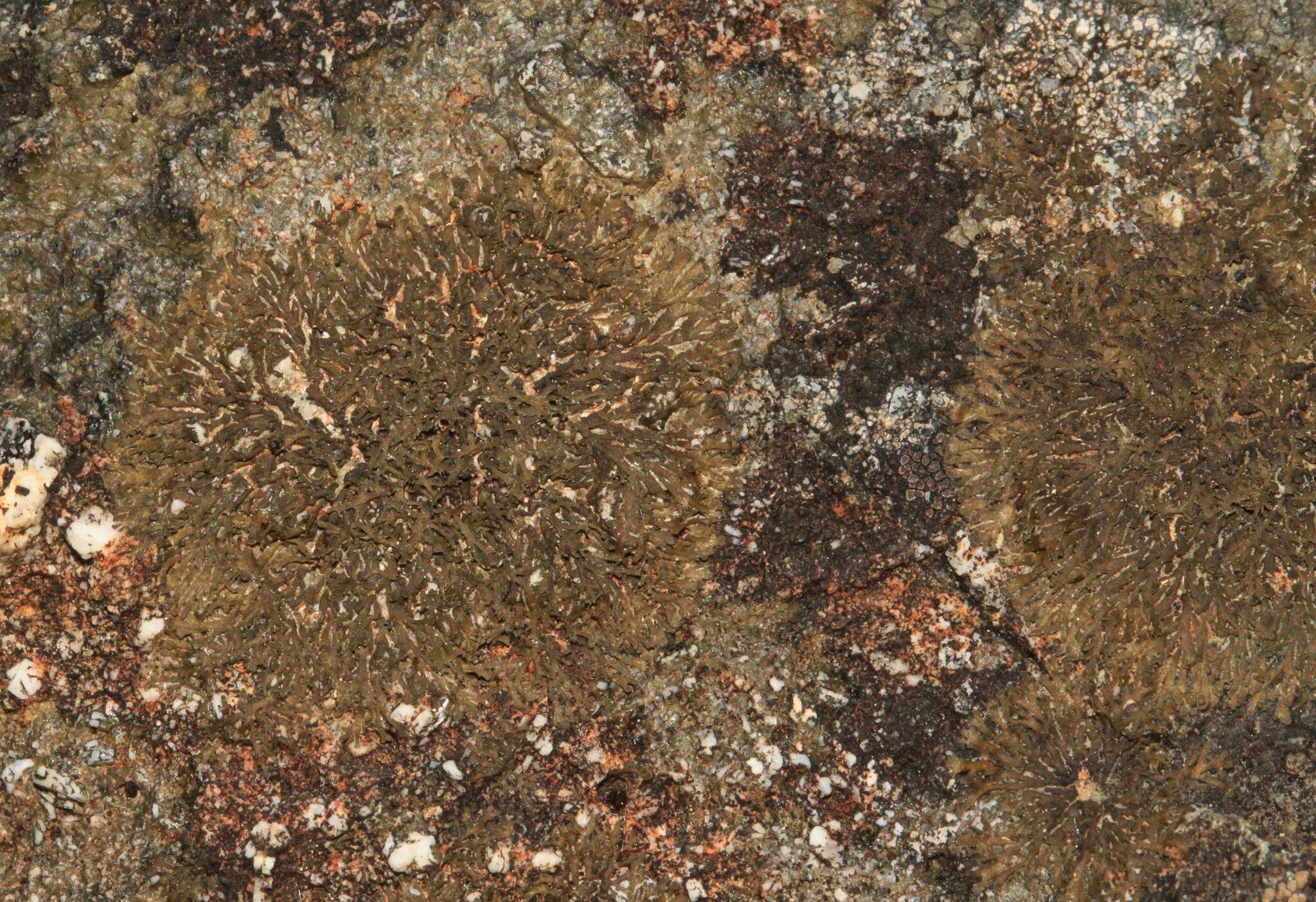
The Placynthiaceae are a lichenized family of fungi in the order Peltigerales. Species of this family are found largely in northern temperate regions.
Enchylium tenax
species of fungus
Coccocarpiaceae
The Coccocarpiaceae are a family of lichen-forming in the order Peltigerales. There are three genera and about 60 species in the family. Species in this family have a widespread distribution, including boreal and austral regions.
Massalongiaceae
Massalongiaceae is a small family of lichen-forming fungi in the order Peltigerales. It has three genera and seven species.
Placynthium
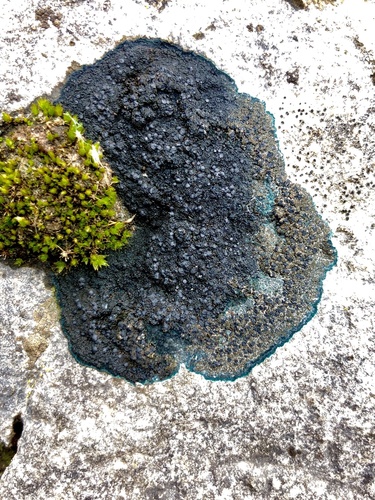
Placynthium is a genus of lichen-forming fungi in the family Placynthiaceae. Members of this genus are commonly called blackthread lichens.

Spilonema revertens
species of fungus
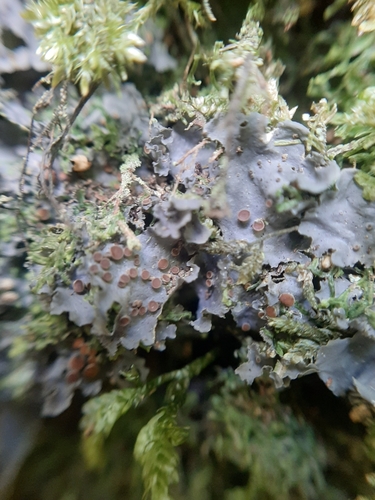
Collema subconveniens
species of fungus

Collema nigrescens
species of fungus

Coccocarpia prostrata
species of fungus

Coccocarpia
Coccocarpia is a genus of lichen-forming fungi in the family Coccocarpiaceae. Recent genetic studies suggest the genus originated in the Australasia–Oceania region during the Late Cretaceous period, roughly 76–100 million years ago, and later spread to Asia and the Americas. Some South American lineages are thought to have reached the continent via warm rainforest corridors that crossed Antarctica during the Palaeogene period, around 50–60 million years ago.

Vahliella californica
species of fungus
Vahliella atlantica
species of fungus

Polychidium
Polychidium is a genus of lichen-forming fungi in the family Massalongiaceae. These lichens form tiny, shrub-like tufts with branching filaments that create woolly cushions on moss-covered rocks and tree twigs. The genus was traditionally thought to include four similar-looking species, but molecular studies revealed that three of these actually belong to a different genus called Leptogidium. Today, Polychidium in the strict sense contains only P. muscicola and three closely related species, found from tropical to subarctic regions worldwide.
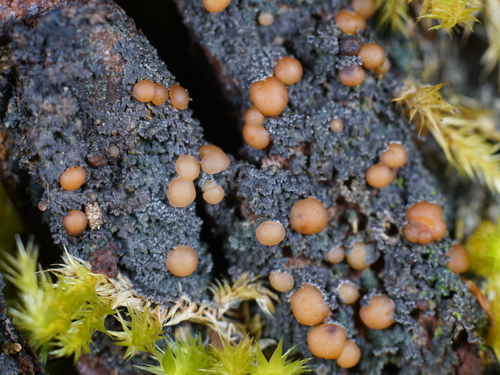
Vahliella saubinetii
species of fungus

Vahliella hookerioides
species of fungus

Blennothallia
Blennothallia is a genus of jelly lichens in the family Collemataceae. It has four species, which collectively have a cosmopolitan distribution.
Collema coniophilum
species of fungus

Collema flaccidum
species of fungus

Collema coccophorum
species of fungus
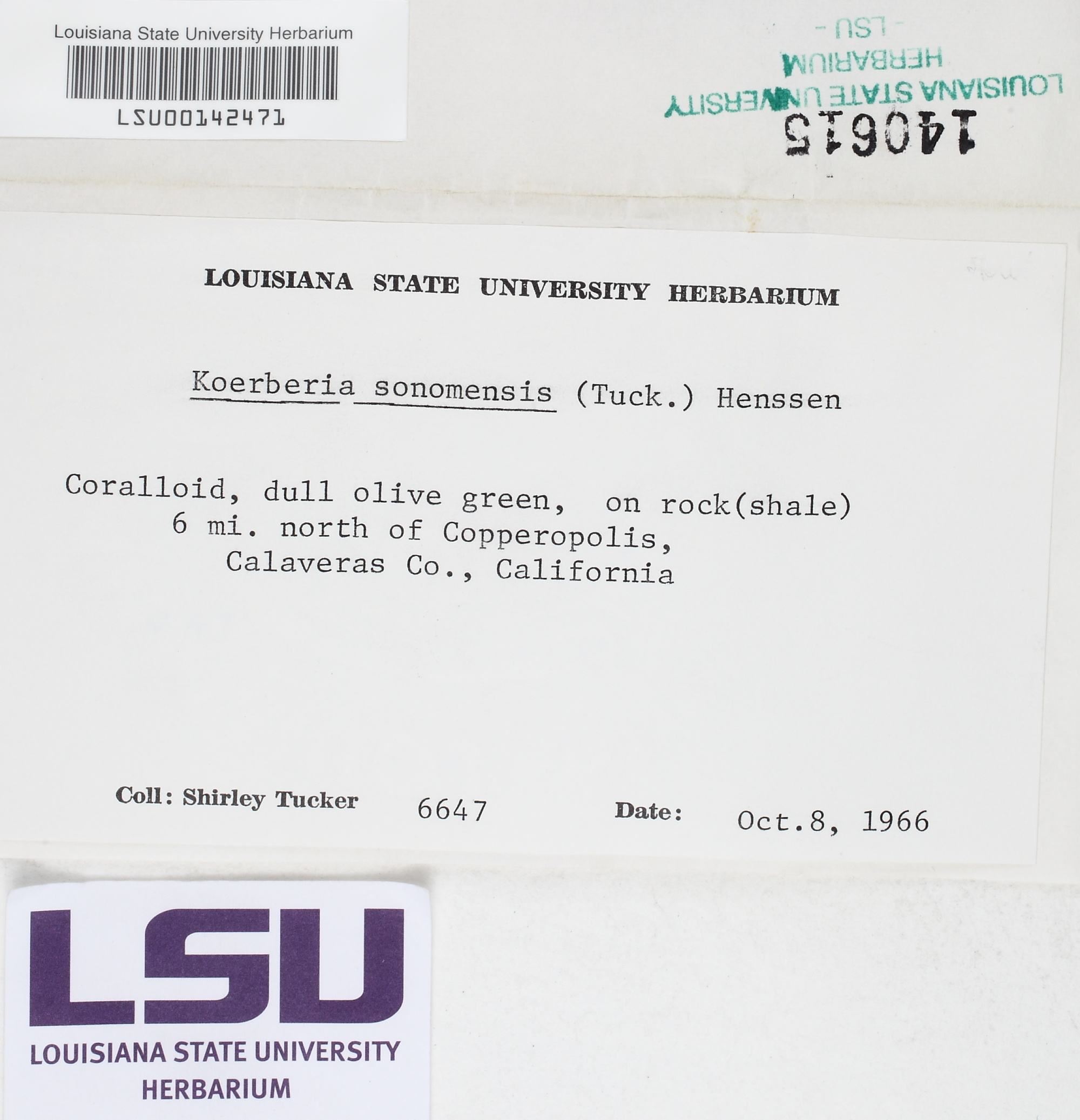
Koerberia sonomensis
species of fungus

Koerberia
Koerberia is a genus of lichen-forming fungi in the family Koerberiaceae.
Massalongia griseolobulata
species of fungus
Vahliellaceae
Vahliella is a genus of nine species of lichen-forming fungi in the order Peltigerales. It is the only member of Vahliellaceae, a family circumscribed in 2010 to contain this genus. Vahliella was formerly placed in the family Pannariaceae until molecular phylogenetics showed that it did not belong there. Vahliella species are found in the Northern Hemisphere – mainly in North America, but also in Europe and India.
Hertella
Hertella is a lichenized genus of fungi within the Placynthiaceae family.
Lathagrium
Lathagrium is a genus of lichen-forming fungi in the family Collemataceae. It has 10 species of gelatinous lichens. Species in this genus typically grow on calcareous rocks, often amidst mosses, but can also be found on siliceous or serpentine rocks, mortar, or soil.
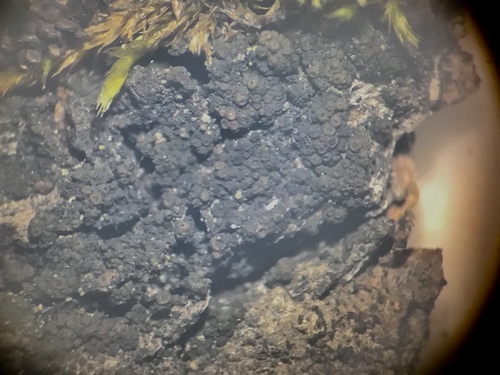
Rostania
Rostania is a genus of lichen-forming fungi in the family Collemataceae. These lichens are primarily found on tree bark, occasionally on wood, with one species known to inhabit soil. The genus is characterized morphologically by having minute thalli made of hyphal tissue without a separate , and the more or less cuboid-shaped .

Scytinium
Scytinium is a genus of lichen-forming fungi in the family Collemataceae. It has 49 species. These lichens are typically found on basic rocks, soil, and trees, occasionally in association with mosses. In its revised sense, Scytinium includes crustose, squamulose or small foliose jelly-lichens with thalli (lichen bodies) usually only a few millimetres to a few centimetres across. Despite the morphological and ecological diversity within Scytinium, its species share similar ascospore features, such as shape and septation, as well as a small to medium-sized thallus with at least a partial .

Massalongia
genus of fungi

Enchylium
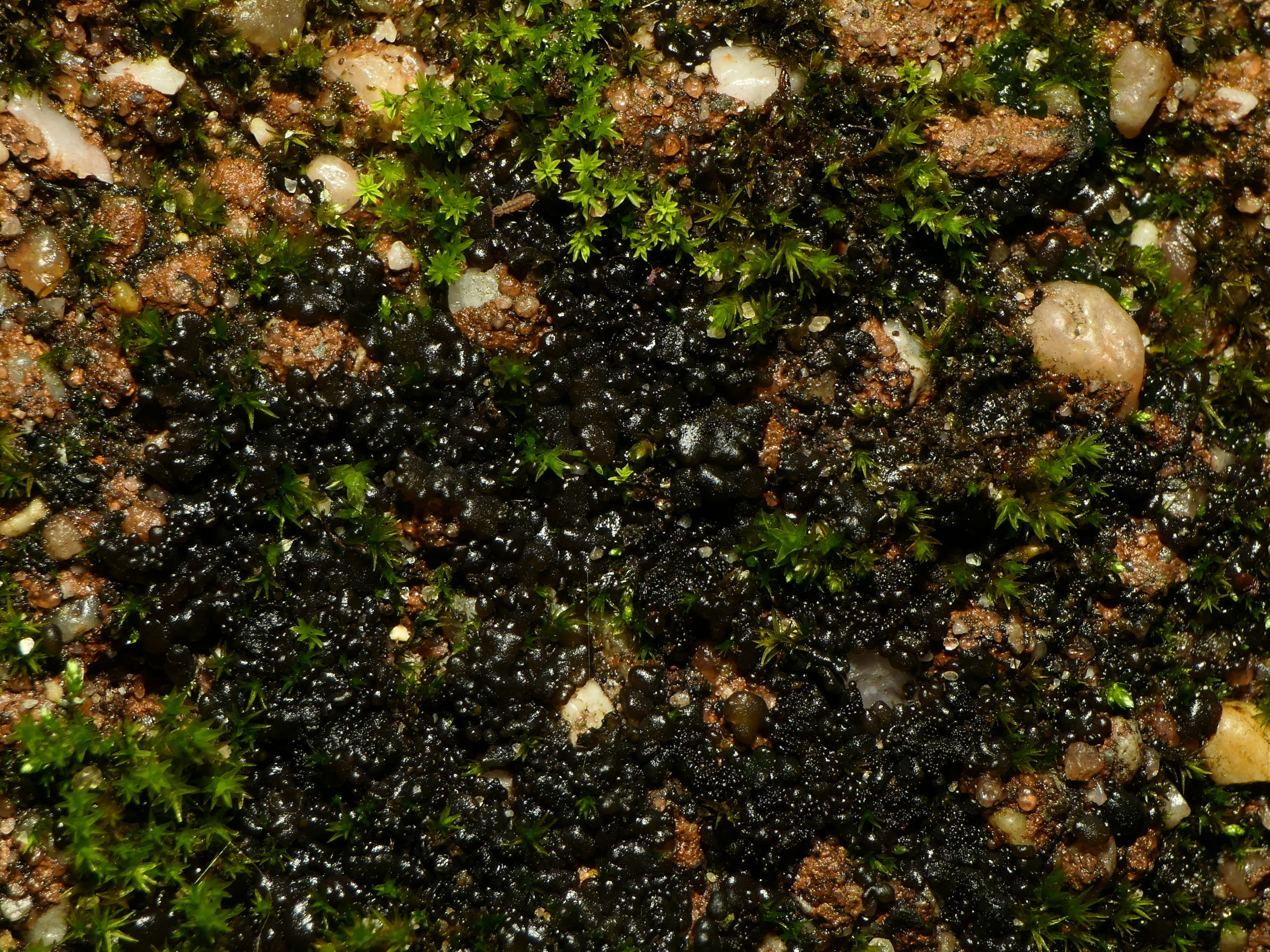
Enchylium is a genus of lichen-forming fungi in the family Collemataceae. The genus was originally established as a section of the related genus Collema in 1810, but molecular studies have since confirmed it forms a distinct evolutionary lineage. These lichens are characterised by their gelatinous, water-absorbing thalli that swell noticeably after rain and typically colonise bare soil or rock surfaces in well-lit environments. Most species are pioneers that help stabilise loose substrates before other plants and lichens become established.

Spilonema
Spilonema is a genus of lichen-forming fungi in the family Coccocarpiaceae. These lichens form small, dark tufts of thread-like filaments that grow on rocks and are found in various regions from tropical to arctic climates. They partner with nitrogen-fixing cyanobacteria, which gives them their distinctive blue-green colouration and allows them to survive in nutrient-poor environments. The genus was established in 1856 by the French botanist Jean-Baptiste Édouard Bornet, who distinguished these species from similar-looking lichens based on their unique internal structure.