Category
page 1People from Kyoto

Emperor Kōmei
Emperor of Japan from 1846 to 1867

Yasuke
%20by%20Ikkyu%20Sojun%20(1394-1481)%2C%20Muromachi%20period%2C%2015th%20century%2C%20ink%20on%20paper%20-%20Tokyo%20National%20Museum%20-%20DSC05844.JPG)
Ikkyū Sōjun
thumb|right|240px|Buddhist verse by Ikkyū
Iwakura Tomomi
Japanese politician (1825-1883)

Shinran
was a key Japanese Buddhist figure of the Kamakura Period who is regarded as the founder of the Jōdo Shinshū school of Japanese Buddhism. A pupil of Hōnen, the founder of the Japanese Pure Land movement, Shinran articulated a distinctive Pure Land vision that emphasized faith and absolute reliance on Amida Buddha’s other-power.
Gunpei Yokoi
Japanese video game designer (1941–1997)
Kujō Yoritsune
4th shogun of the Kamakura shogunate
Seiji Maehara
Japanese politician
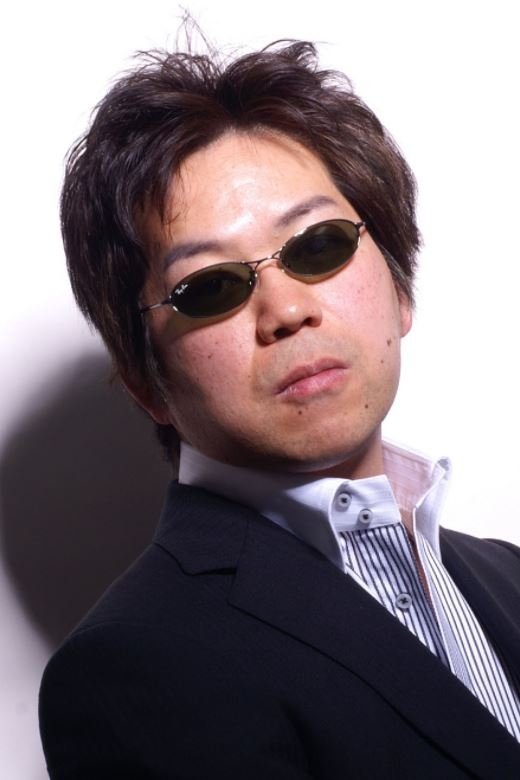
Shin'ichirō Watanabe
Japanese anime director
Nakayama Yoshiko
Japanese concubine (1836-1907)
Mineko Iwasaki
Japanese Geisha
Joi Ito
Japanese-American activist, entrepreneur, and venture capitalist

Noriyuki Abe
anime director
Honami Kōetsu
Japanese painter and calligrapher; (1558-1637)
Prince Tsunehisa Takeda
Japanese politician (1882-1919)
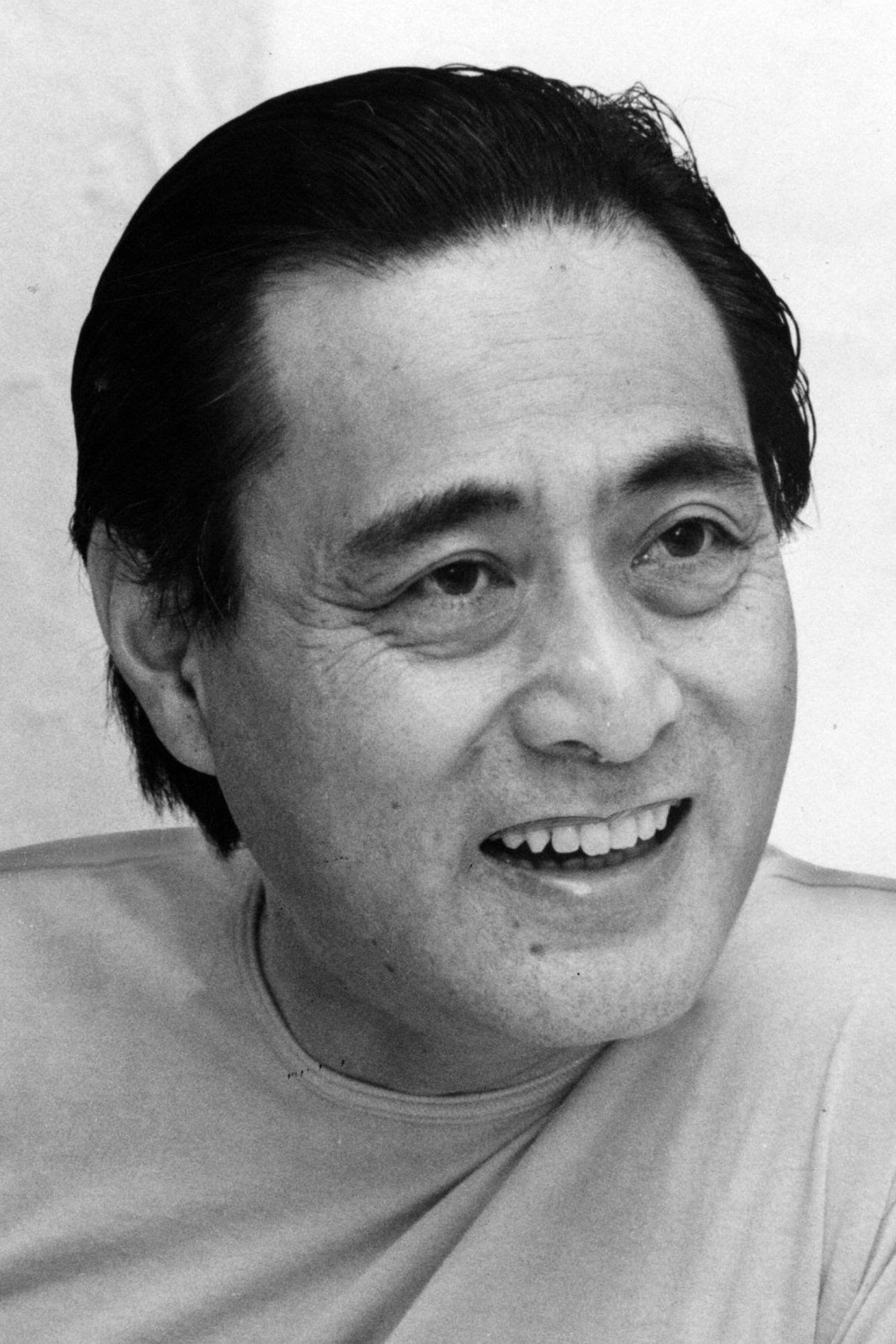
Masahiko Tsugawa
Japanese actor and film director
Honninbō Sansa
go player, founder of the prestigious Hon'inbō school

Rennyo
Rennyo (, 1415–1499) was a descendant of Shinran and the 8th head priest of the Hongan-ji branch of Jōdo Shinshū, a major Japanese Buddhist tradition. He is known for his tireless preaching of the Shin teaching and is credited with transforming the Honganji into a major religious organization. According to Dobbins, during Rennyo's tenure, Hongan-ji temple "emerged as the premier institution of the school, and the Shinshū itself burgeoned into one of Japan's largest and most powerful schools of Buddhism." Shinshū Buddhists often refer to him as the restorer of the sect ( in Japanese). He was al
Tatsuo Yoshida
Japanese mangaka and animator (1932–1977)
Masahiro Makino
Japanese actor and director (1908-1993)
Mochitsura Hashimoto
Japanese World War II submarine commander (1909–2000)
Bunmei Ibuki
Japanese politician
Kumazawa Banzan
Japanese philosopher (1619–1691)
Nobukazu Takemura
Japanese musician
Tadao Umesao
anthropologist
Yoo Byung-eun
South Korean clergy (1941–2014)
Fujiwara no Kinshi
Empress consort of Japan
Kokan Shiren
Japanese Buddhist
Fumitaka Konoe
(1915-1956)
Narasaki Ryō
Active in political affairs
Masako-naishinnō
Japanese princess and empress consort in 10th century
Daisaku Kadokawa
Japanese politician, Mayor of Kyoto

Nakayama Tadayasu
Japanese courtier and peer (1809-1888)
Hansō Sōshitsu
tea master from Japan (1923–2025)
Toshiro Kandagawa
Japanese chef
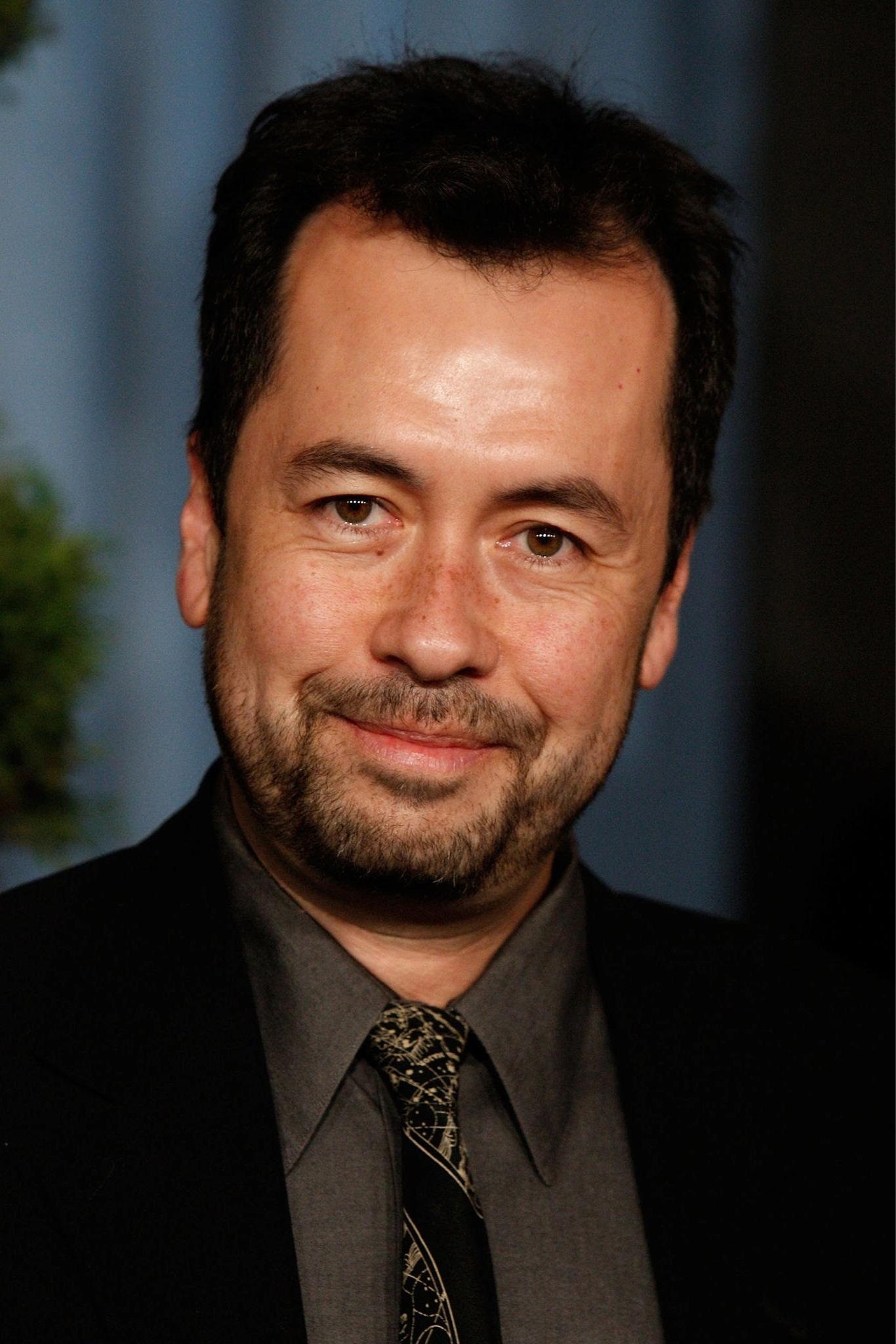
Ren Klyce
sound editor
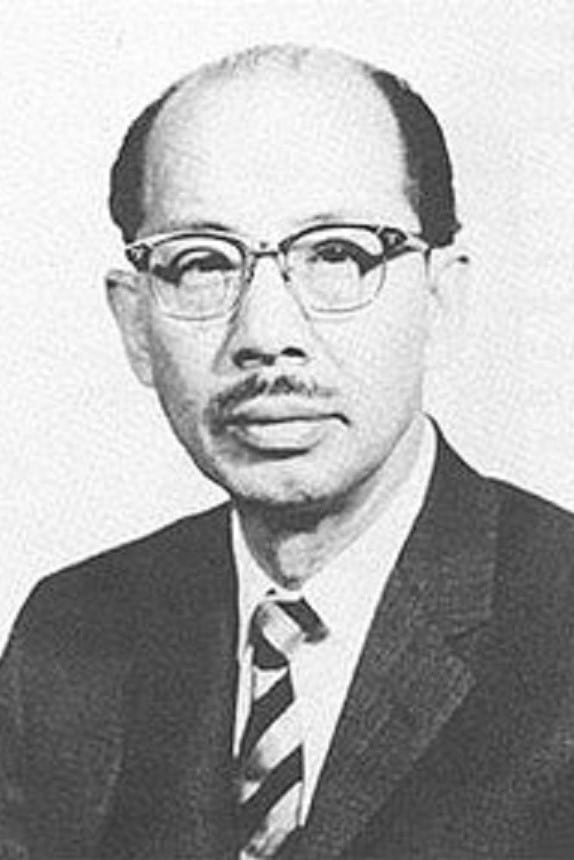
Masaichi Nagata
Japanese film producer
Takeshi Hirayama
Japanese epidemiologist and physician (1923-1995)
Michitomi Higashikuze
Japanese nobleman and statesman
Setsuzo Kotsuji
Japanese linguist

Watanabe no Tsuna
Japanese samurai
Kugyō
son of Minamoto no Yoriie
Tatsuhito Takaiwa
Korean professional wrestler
Izumi Shimada
American anthropologist
Tatsuya Kimura
Japanese DJ
Hirooka Asako
Japanese businessperson, educator, and social activist (1849-1919)

Taiji Yamaga
Japanese Esperantist
Tsunamasa Shidei
Japanese general (1895–1945)
Kōji Matsui
politician from Japan
Sakata Tōjūrō I
Japanese actor
Chōgen
Japanese Buddhist monk
Mikishi Daimon
Japanese politician
Satarō Fukiage
Japanese serial killer (1889–1926)

Itō Toshiyoshi
Japanese admiral

Raymond Ken’ichi Tanaka
Catholic Bishop (1927–2021)
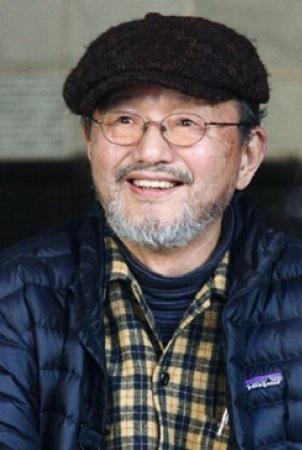
Akira Inoue
Japanese film director
Inabata Katsutaro
Businessperson and film producer (1862-1949)
Nakayama Tadamitsu
(1845-1864)
Jukei-ni
Jukei-ni (寿桂尼, 1490 - 11 April 1568) was a Japanese noble lady who acted as the power behind the throne or de facto daimyo of the Imagawa clan during the Sengoku period.
She was born in the aristocrat Nakamikado Family of Kyoto. Jukei-ni was the wife of Imagawa Ujichika and mother of Imagawa Ujiteru, Imagawa Yoshimoto and Zukei-ni.
She acted as guardian and advisor for Ujichika, Ujiteru, Yoshimoto and her grandson Imagawa Ujizane. Jukei-ni is also known as Onna Daimyo and "Amamidai", once proclaimed that she would "protect Imagawa to her grave".
Itsurō Terada
Japanese lawyer