Category
page 1Peptostreptococcaceae
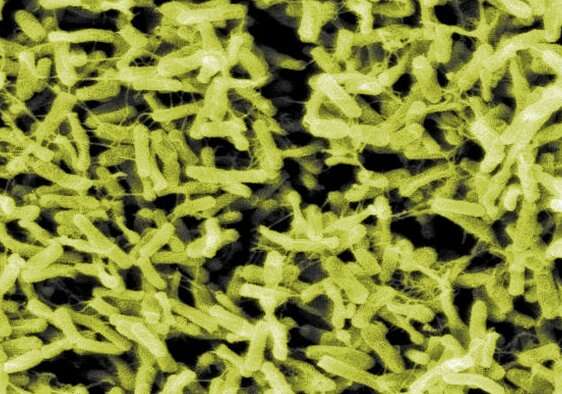
Clostridioides difficile
species of bacterium

Peptostreptococcus
Peptostreptococcus is a genus of anaerobic, Gram-positive, non-spore forming bacteria. The cells are small, spherical, and can occur in short chains, in pairs or individually. They typically move using cilia. Peptostreptococcus are slow-growing bacteria with increasing resistance to antimicrobial drugs. Peptostreptococcus is a normal inhabitant of the healthy lower reproductive tract of women.
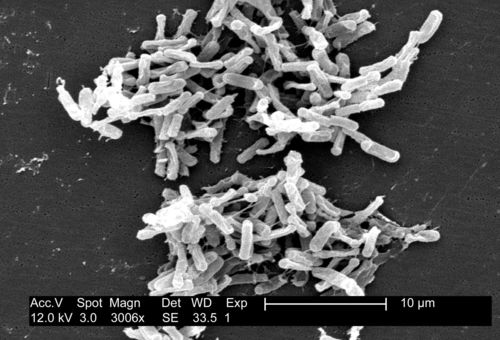
Clostridioides
Clostridioides is a genus of Gram-positive bacteria, which includes Clostridioides difficile, a human pathogen causing an infectious diarrhea.
Peptostreptococcaceae
Peptostreptococcaceae is a family of Gram-positive anaerobic bacteria in the class Clostridia. A majority of members are identified as obligate anaerobes. The bacteria can be found in humans, vertebrates, manure, soil and hydrothermal vents. Peptostreptococcaceae metabolize via fermentation producing a variety of short-chain fatty acids. The bacteria are important in the digestion process of many ruminants, and in the oral health of vertebrates. Shape of the bacteria varies from cocci, rods or filaments, among species. Most strains fall within the size of 0.6-0.9 μm.
Clostridium sordellii
species of bacterium