Category
page 1Percomorpha families

Tetraodontidae
thumb|right|Deflated Valentin's sharpnose puffer|Valentinni's sharpnose puffer
Tetraodontidae is a family of marine and freshwater fish in the order Tetraodontiformes. The family includes many familiar species variously called pufferfishes, puffers, balloonfishes, blowfishes, blowers, blowies, bubblefishes, globefishes, swellfishes, toadfishes, toadies, botetes, toadle, honey toads, sugar toads, and sea squabs. They are morphologically similar to the closely related porcupinefish, which have large external spines (unlike the thinner, hidden spines of the Tetraodontidae, which are only visible
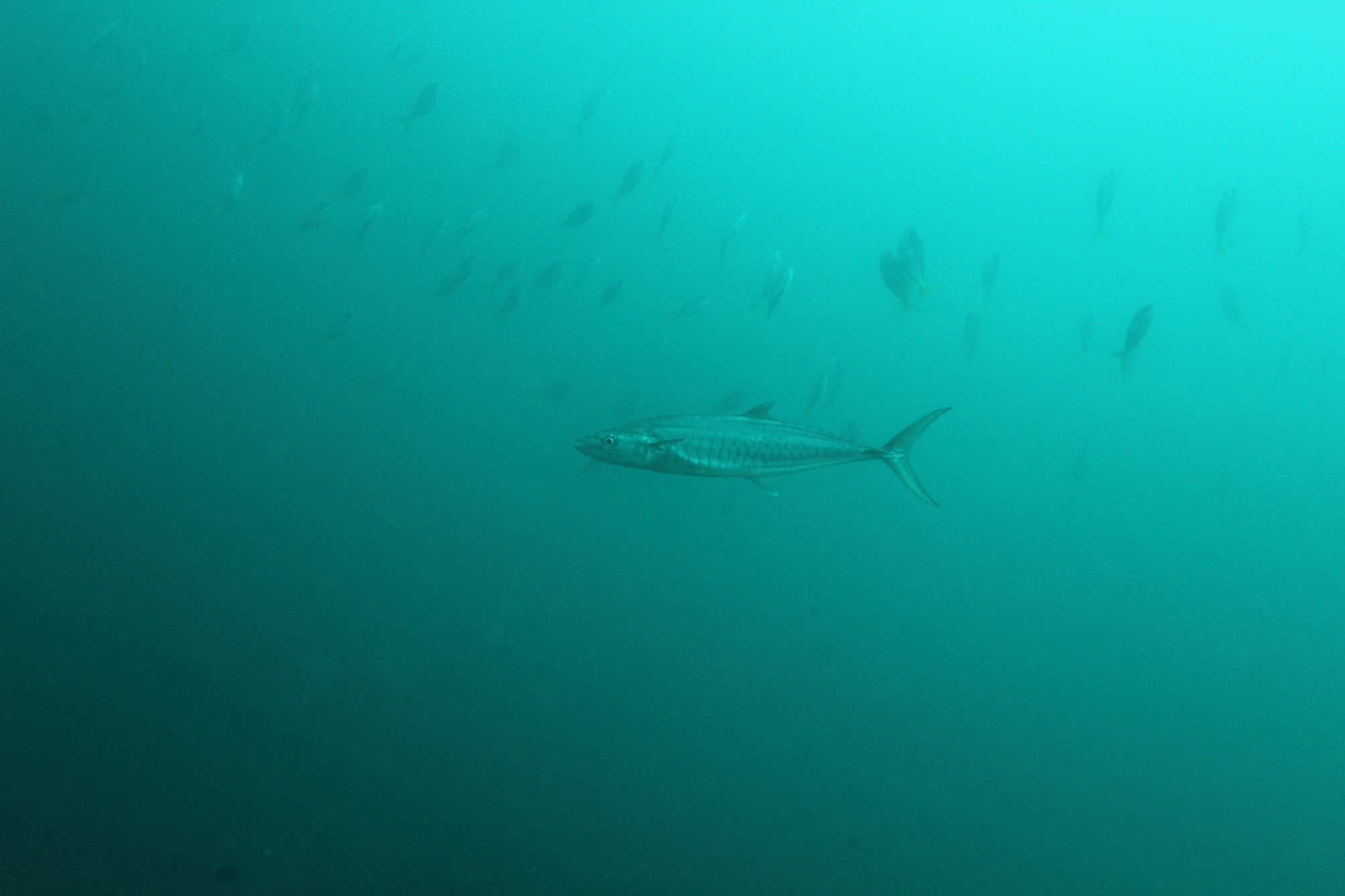
Scombridae
The mackerel, tuna, and bonito family, Scombridae, includes many of the most important and familiar food fishes. The family consists of 51 species in 15 genera and two subfamilies. All species are in the subfamily Scombrinae, except the butterfly kingfish, which is the sole member of subfamily Gasterochismatinae.

Poeciliidae
Poeciliidae are a family of freshwater ray-finned fishes of the order Cyprinodontiformes, the tooth-carps, and include well-known live-bearing aquarium fish, such as the guppy, molly, platy, and swordtail. The original distribution of the family was the Southeastern United States to north of Río de la Plata, Argentina. Due to release of aquarium specimens and the widespread use of species of the genera Poecilia and Gambusia for mosquito control, though, introduced poeciliids can today be found in all tropical and subtropical areas of the world. In addition, Poecilia and Gambusia specimens have

Pomacentridae
Pomacentridae is a family of ray-finned fish, comprising the damselfishes and clownfishes. This family were formerly placed in the order Perciformes or as indeterminate percomorphs, but are now considered basal blenniiforms.
They are primarily marine, while a few species inhabit freshwater and brackish environments (e.g., Neopomacentrus aquadulcis, N. taeniurus, Pomacentrus taeniometopon, Stegastes otophorus). They are noted for their hardy constitutions and territoriality. Many are brightly colored, so they are popular in aquaria.

Apogonidae
Cardinalfishes are a family, Apogonidae, of ray-finned fishes found in the Atlantic, Indian, and Pacific Oceans; they are chiefly marine, but some species are found in brackish water and a few (notably Glossamia) are found in fresh water. A handful of species are kept in aquariums and are popular as small, peaceful, and colourful fish. The family includes about 370 species.
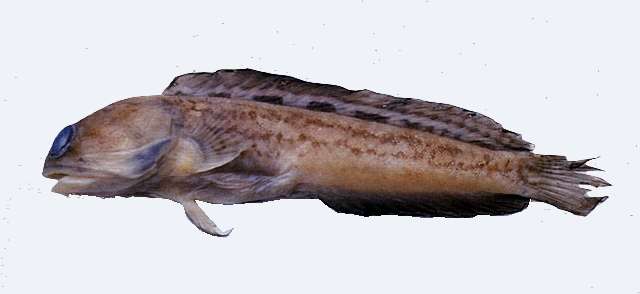
Opisthognathidae
Opistognathidae, the jawfishes, are a family of fishes in the order Blenniiformes. The family includes about 80 species. They are native to warmer parts of the Atlantic, Pacific and Indian Oceans, where they are found from the shallows to depths of a few hundred meters. The species level taxonomy is complex and the family includes several undescribed species.

Gempylidae
The Gempylidae are a family of scombriform ray-finned fishes commonly known as snake mackerels or escolars. The family includes about 25 species.

Ambassidae
The Asiatic glassfishes are a family, the Ambassidae, of freshwater and marine ray-finned fishes. Some species are known as perchlets.
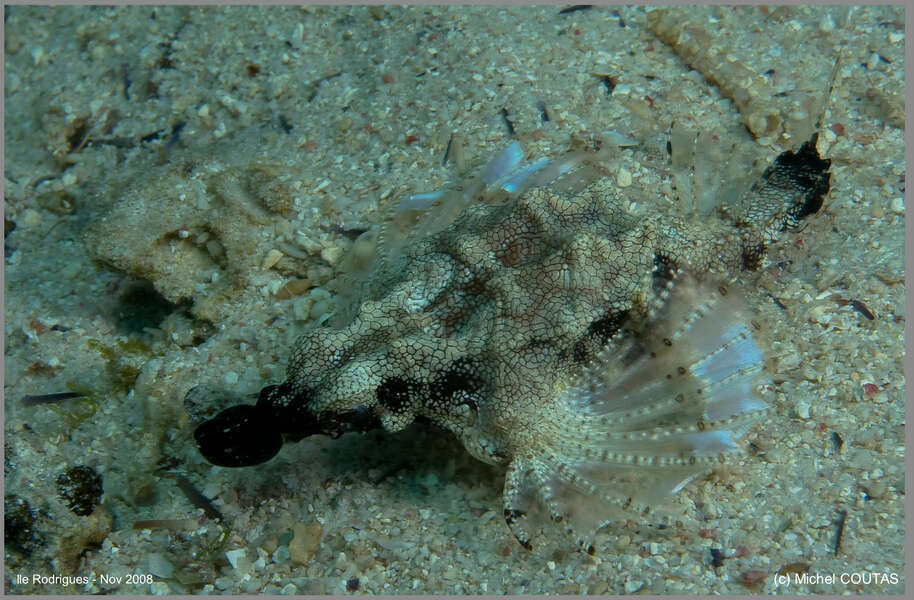
Pegasidae
The seamoths make up a family of ray-finned fishes, the Pegasidae, within the order Syngnathiformes. They are named after Pegasus, a creature from Greek mythology. Seamoths are notable for their unusual appearance, including flattened bodies, the presence of large, wing-like, pectoral fins, a long snout, and a body encased in thick, bony plates. They are found primarily in coastal tropical waters of the Indo-Pacific.
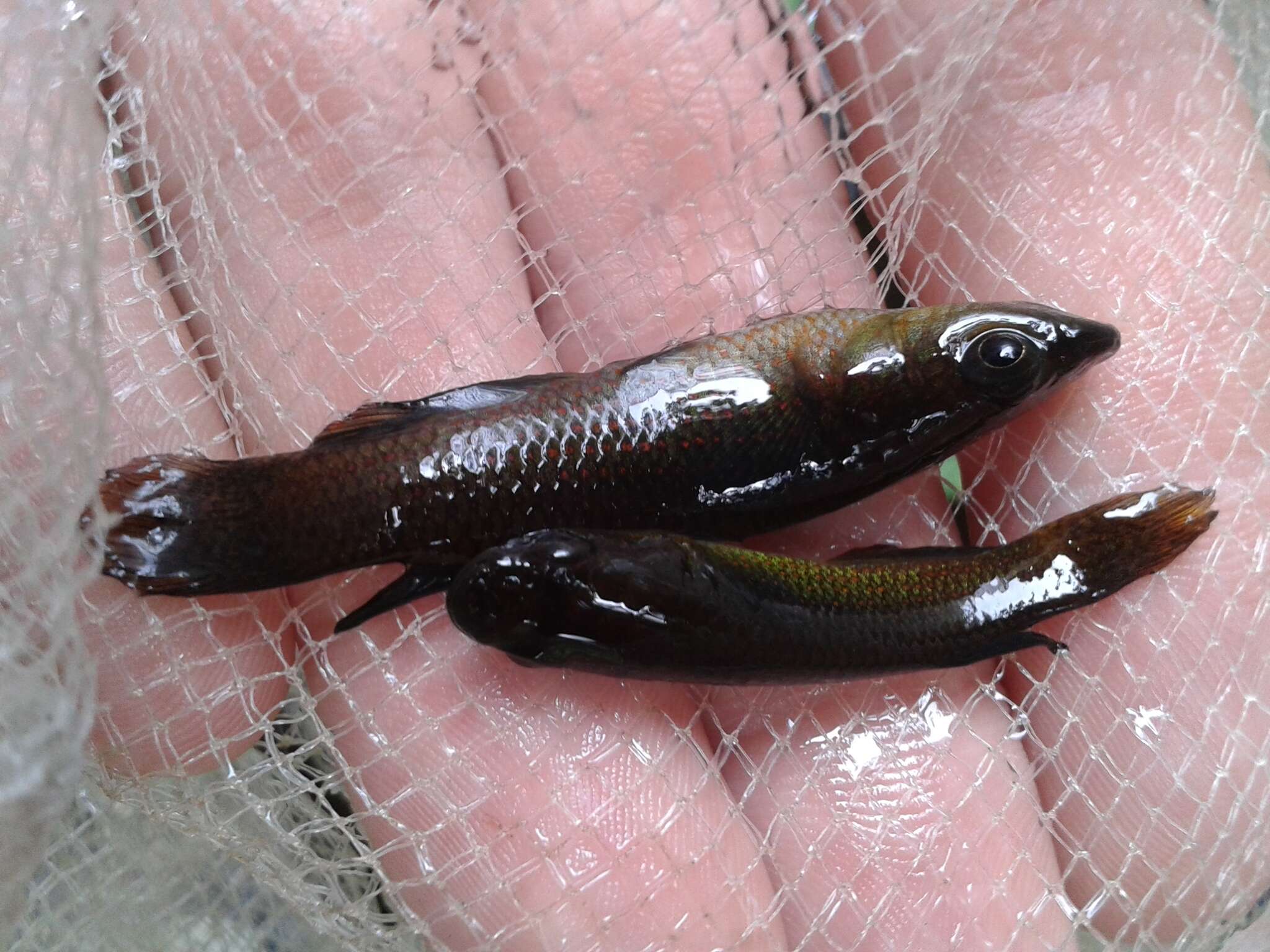
Aplocheilidae
Aplocheilidae, the Asian killifishes or Asian rivulines, is a family of fish in the order Cyprinodontiformes found in Asia. Some authorities use this family-group name, which is well-established, for a single lumped aplocheiloid family as it gives the nomenclature stability over time and avoids the impact of a new name at family rank for a popular aquarium fish group. Following this proposal, Aplocheilidae would include three subfamilies: Aplocheilinae for the species from Asia, Madagascar and the Seychelles; Cynolebiinae (formerly called Rivulidae) for the species from the Americas; and Notho
Scomberesocidae
Sauries are fish of the family Scomberesocidae. There are two genera, each containing two species. The name Scomberesocidae is derived from scomber (which in turn is derived from the Greek skombros, meaning 'mackerel') and the Latin esox meaning pike.
.jpg)
Gobiesocidae
Clingfishes are ray-finned fishes of the family Gobiesocidae, the only family in the suborder Gobiesocoidei of the order Blenniiformes. These fairly small to very small fishes are widespread in tropical and temperate regions, mostly near the coast, but a few species live in deeper seas or fresh water. Most species shelter in shallow reefs or seagrass beds, clinging to rocks, algae and seagrass leaves with their sucking disc, a structure on their chest.

Goodeidae
Goodeidae is a family of teleost fish endemic to Mexico and some areas of the United States. Many species are known as splitfins. This family contains about 50 species within 18 genera. The family is named after ichthyologist George Brown Goode (1851–1896).
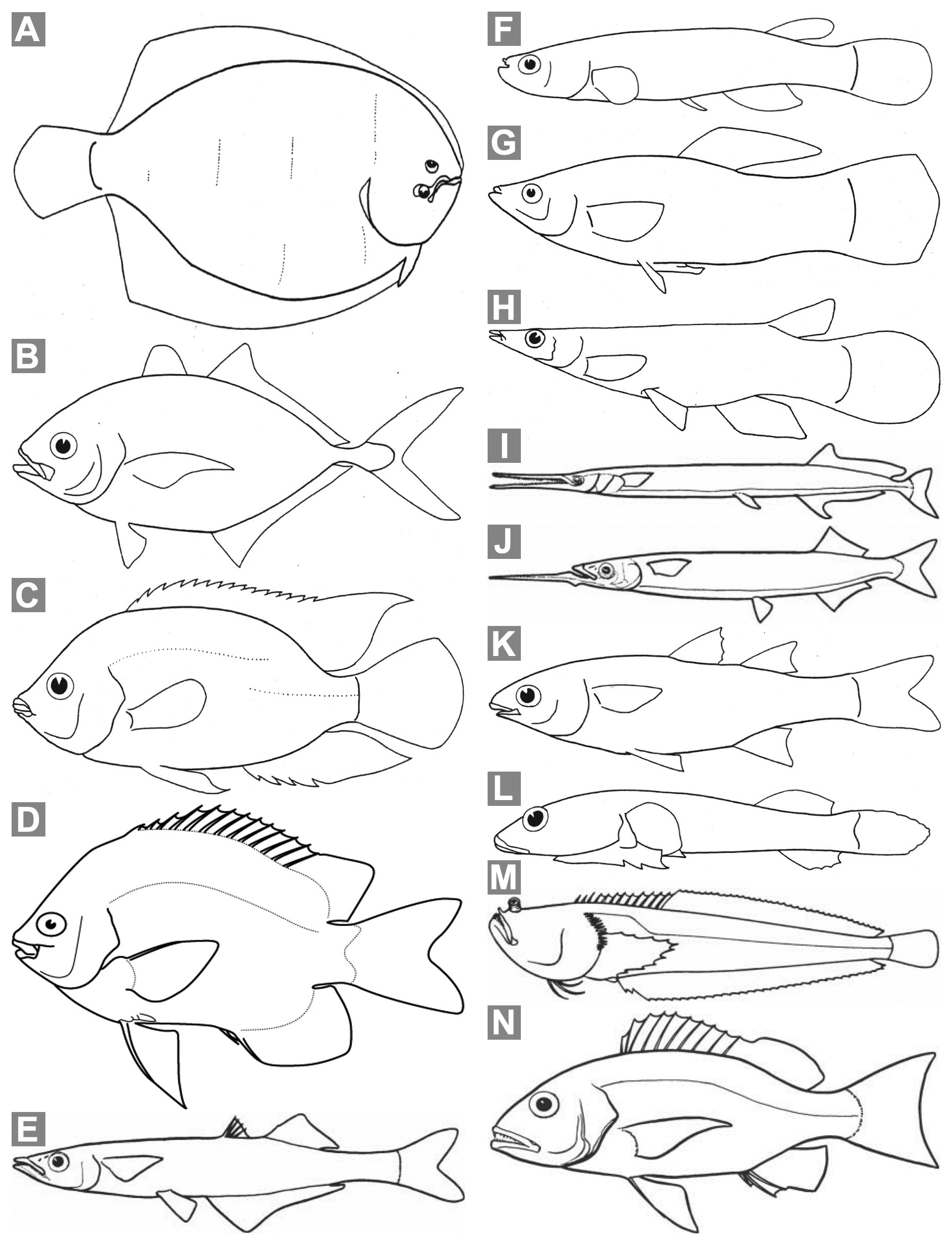
Anablepidae
Anablepidae is a family of ray-finned fishes which live in brackish and freshwater habitats from southern Mexico to southern South America. There are three genera with sixteen species: the four-eyed fishes (genus Anableps), the onesided livebearers (genus Jenynsia) and the white-eye, Oxyzygonectes dovii. Fish of this family eat mostly insects and other invertebrates.
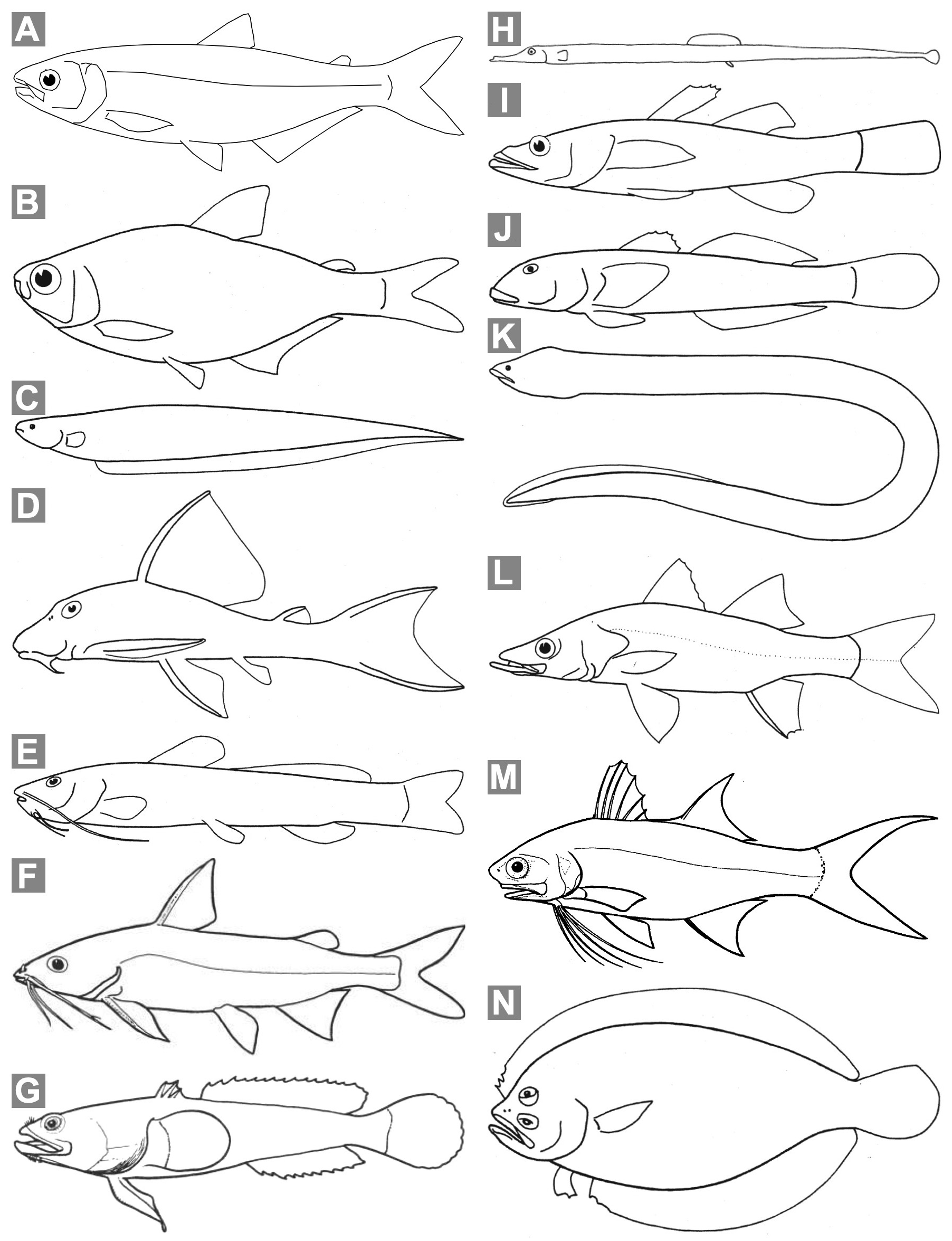
Batrachoididae
Batrachoididae is the only family in the ray-finned fish order Batrachoidiformes . Members of this family are usually called toadfish or frogfish: both the English common name and scientific name refer to their toad-like appearance (batrakhos is Greek for frog).
Rivulidae
The Rivulidae are a family of killifishes in the order Cyprinodontiformes. They are commonly known as rivulids, South American killifish or New World killifish. The latter names are slightly misleading, however, as they are neither restricted to South America, though most are in fact found there, nor are they the only killifishes from the Americas. Occasionally, they are still referred to as rivulines, a term dating back to when they were considered a subfamily of the Aplocheilidae.
Fundulidae
Fundulidae is the family of topminnows and North American killifishes.

Caristiidae
Caristiidae, the manefishes, are a family of scombriform ray-finned fishes which today includes 19 extant species distributed in four genera.
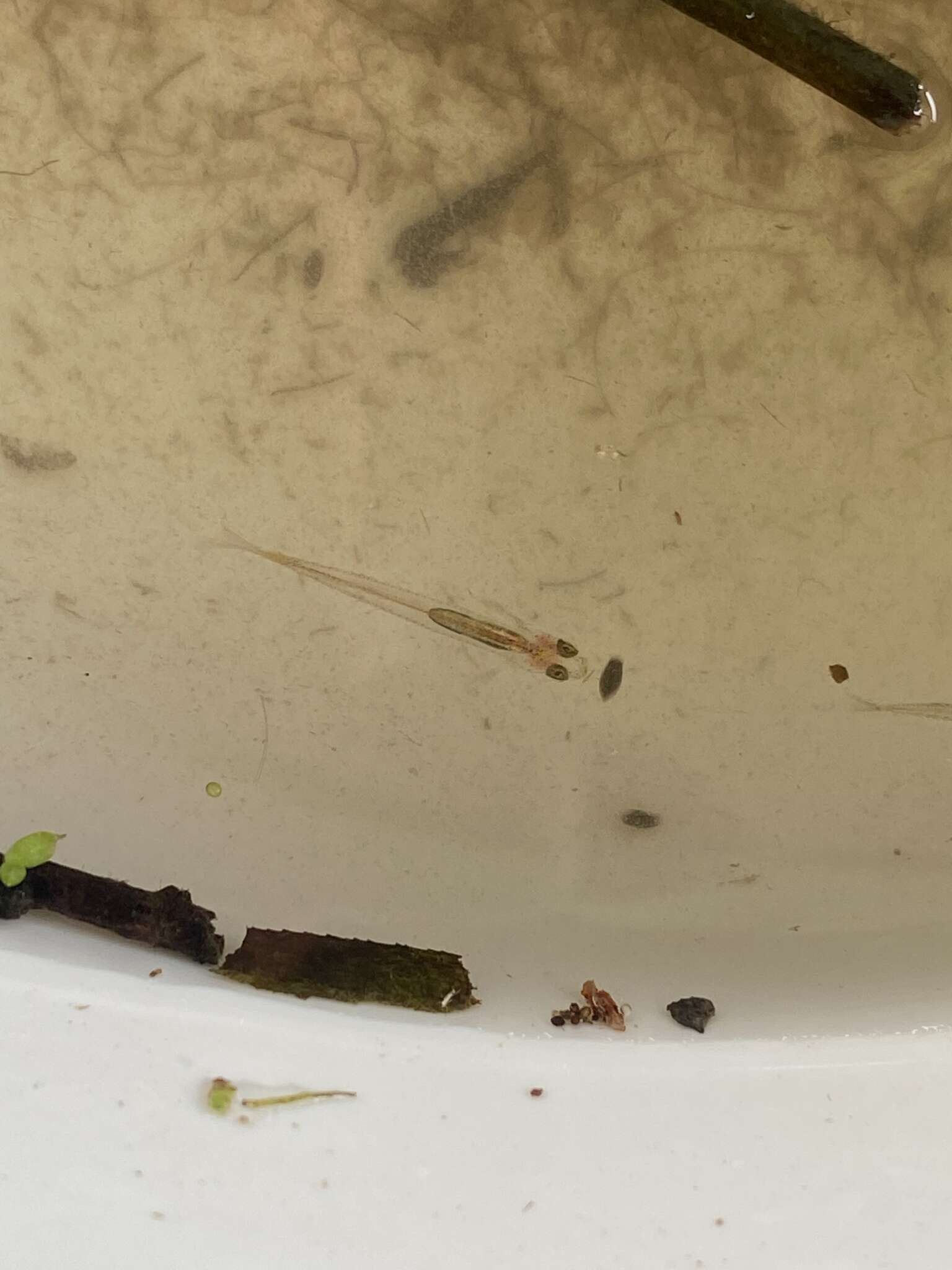
Phallostethidae
Phallostethidae, also known as priapium fish, is a family of atheriniform fish native to freshwater and brackish habitats in southeast Asia.
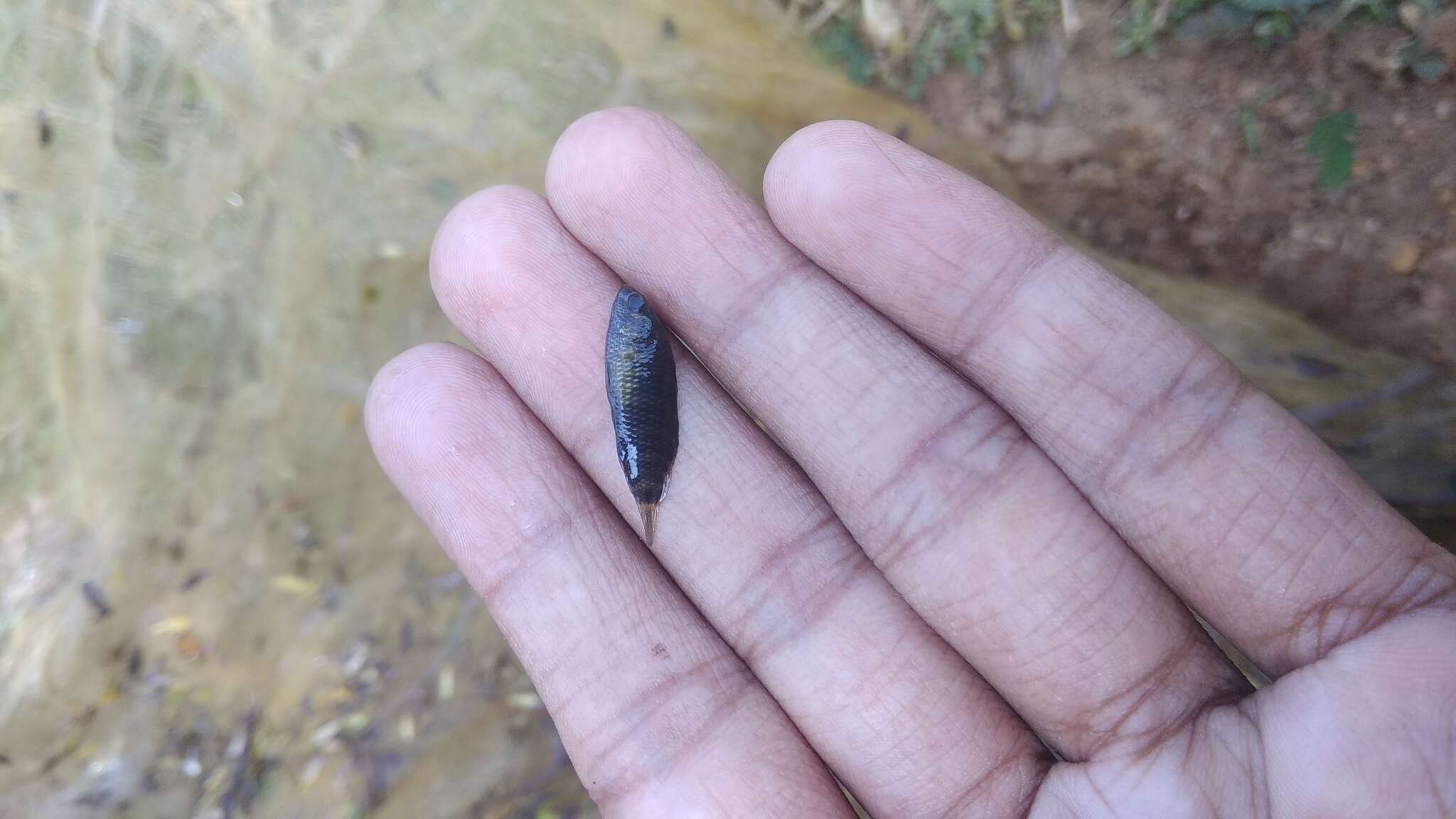
Badidae
The Badidae, or the chameleonfishes, are a small family (containing about 30 species) of freshwater ray-finned fish in the order Anabantiformes. Their relationship to other members of the order was previously uncertain, with the 5th edition of Fishes of the World placing the family outside the order, alongside the Nandidae and Pristolepididae, in an unnamed and unranked but monophyletic clade. However, they are now placed in the anantiform suborder Nandoidei. Members of this family are small freshwater fish that are found in Bangladesh, Bhutan, China, India, Laos, Myanmar, Nepal, Pakistan and
Nothobranchiidae
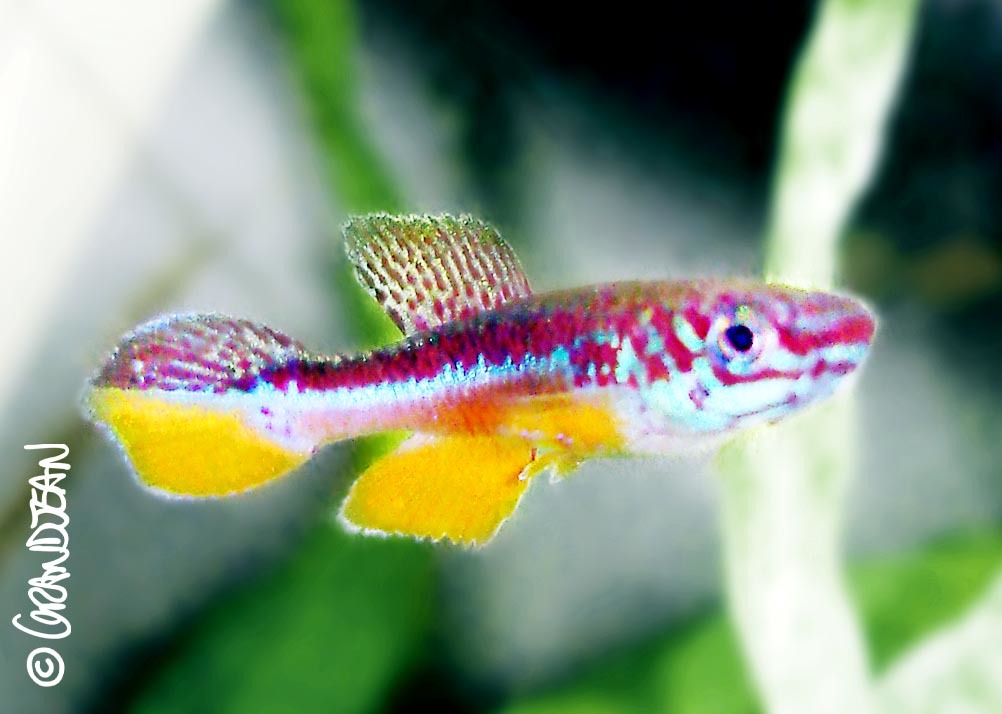
Nothobranchiidae are a family of bony fishes containing roughly 300 species, also known as African rivulines. They are small killifish, usually measuring about . They are limited to Africa, living in fresh water but being also somewhat salt-tolerant. They are also found in muddy or brackish water. Some species are kept as aquarium pets. They have frilly fins and many are brightly colored. They were formerly included in the family Aplocheilidae (which was later limited to Malagasy, Seychellean and Asian species); a return to that broader family has recently been suggested.
Ariommatidae
Ariommatidae is a family of marine ray-finned fishes which are classified within the suborder Stromateoidei of the order Scombriformes.
Profundulidae
Profundulidae is a family of killifishes. The species of this family are native to Central America and Mexico.
Thalasseleotrididae
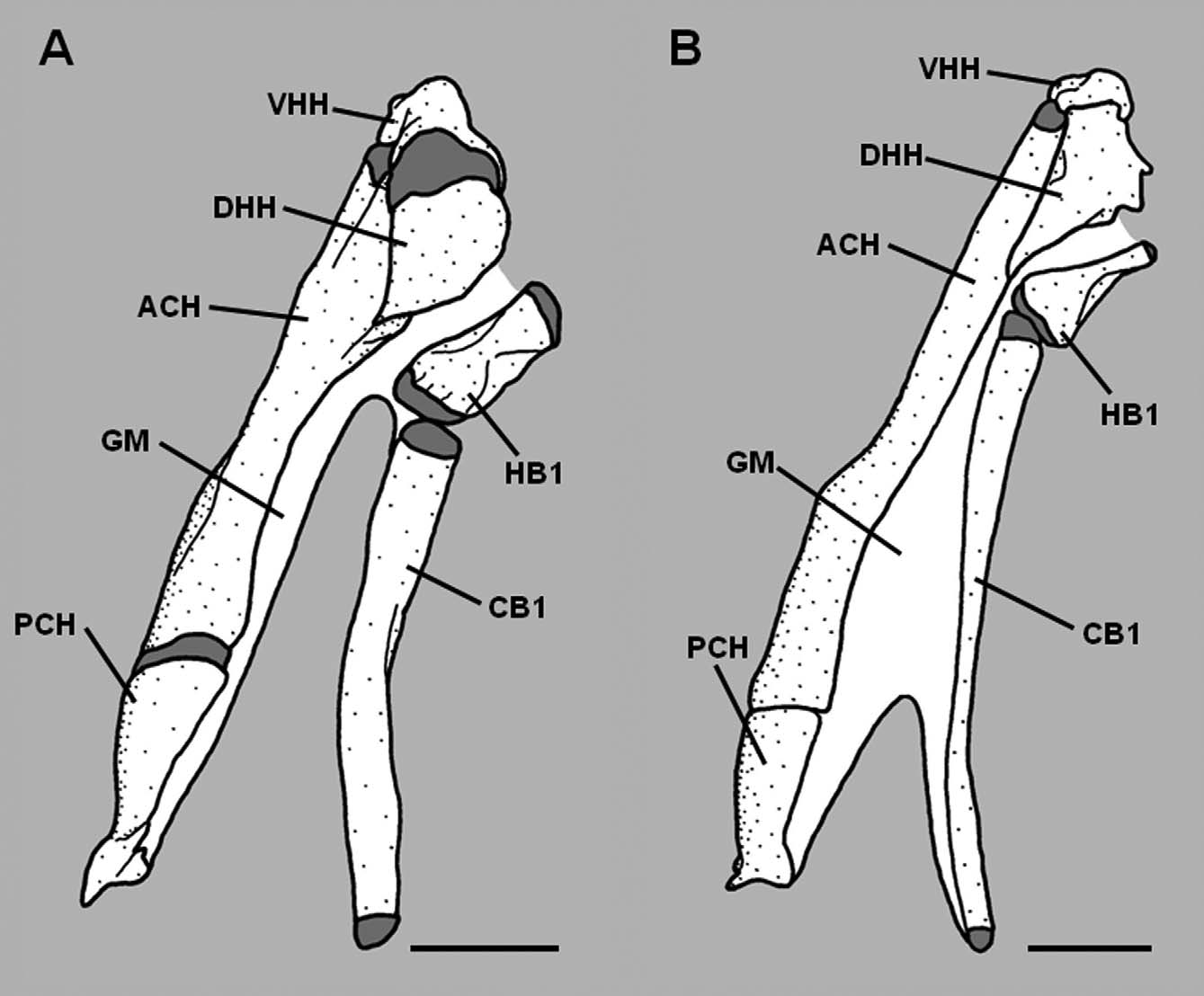
Thalasseleotrididae is a family of two genera of the order Gobiiformes which are found in the temperate seas of Australia and New Zealand. They were formerly classified as part of the family Eleotridae but workers had noted that these genera were atypical members of the Eleotridae. The Thalasseleotrididae was erected as a family based on both genera having similar osteological characteristics in the bones of pectoral girdle and the gill arches and having the first gill slit restricted or closed by a broad membrane which connects the hyoid arch to the first ceratobranchial bone. This family is
Butidae
Butidae is a family of sleeper gobies in the order Gobiiformes. The family was formerly classified as a subfamily of the Eleotridae but the 5th Edition of Fishes of the World classifies it as a family in its own right. Molecular phylogenetic analyses have demonstrated that the Butidae are a sister clade to the clade containing the families Gobiidae and Gobionellidae and that the Eleotridae is a sister to both of these clades. This means that the Eloetridae as formerly classified was paraphyletic and that its subfamilies should be raised to the status of families.
Arripidae
REDIRECT Arripis
Dinematichthyidae
Dinematichthyidae is a family of fishes belonging to the order Ophidiiformes.

Aphaniidae
Aphaniidae, the Oriental killifishes, are a family of the order Cyprinodontiformes. The 42 extant species of the family inhabit inland waters, rivers and lagoons. The distribution of these species extends from the entire Mediterranean region throughout the neighboring states of the Red Sea and Persian Gulf to southwest India. Several species in this family have very small distributions and are seriously threatened.