Category
page 1Percussion instruments played with specialised beaters
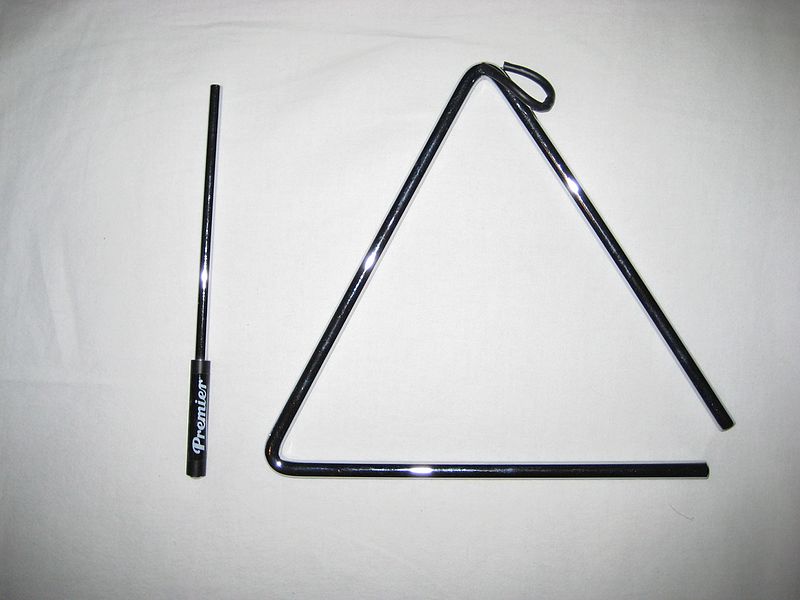
triangle
idiophone type of musical instrument in the percussion family

bodhrán
The bodhrán (, ; plural bodhráin) is a frame drum used in Irish music ranging from in diameter, with most drums measuring . The sides of the drum are deep. A goatskin head is tacked to one side (synthetic heads or other animal skins are sometimes used). The other side is open-ended for one hand to be placed against the inside of the drum head to control the pitch and timbre.

semantron
thumb|333px|A Russian monk playing a semantron

txalaparta
The txalaparta ( or ) is a specialized Basque music device of wood or stone. In some regions of the Basque Country, (with ) means "racket", while in others (in Navarre) has been attested as meaning the trot of the horse, a sense closely related to the sound of the instrument.
batá
Afro-Cuban ritual drum

thavil
300px|right|thumb|Thavil
A thavil (Tamil:தவில்) or tavil is a barrel-shaped percussion instrument from Tamil Nadu. It is also widely used in other South Indian states (Andhra Pradesh, Karnataka, Kerala, Telangana) as well as in the North and East of Sri Lanka (in the Tamil majority area called Tamil Eelam). It is used in temple, folk and Carnatic music, often accompanying the nadaswaram. The thavil and the nadaswaram are essential components of traditional festivals and ceremonies in South India.

tonbak
The tombak (), tonbak () or zarb () is an Iranian goblet drum. It is considered the principal percussion instrument of Persian music. The tombak is normally positioned diagonally across the torso, while the player uses one or more fingers and/or the palm(s) of the hand(s) on the drumhead, often (for a ringing timbre) near the drumhead's edge. Sometimes, tombak players wear metal finger rings for an extra-percussive "click" on the drum's shell. Tombak virtuosi often perform solos lasting ten minutes or more.
monkey stick
English percussion instrument