Category
page 1Perennial philosophy

Aldous Huxley
English writer and philosopher (1894–1963)

Giovanni Pico della Mirandola
Italian Renaissance philosopher (1463–1494)
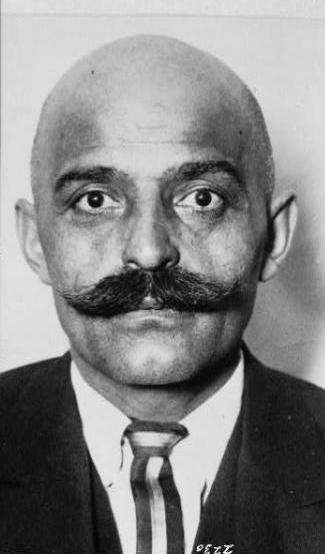
George Gurdjieff
philosopher, mystic, and writer (c. 1866–1877 – 1949)
transcendence
concept designating the extra-categorical attributes of beings

transcendentalism
Transcendentalism is a philosophical, spiritual, and literary movement that developed in the late 1820s and 1830s in the New England region of the United States. A core belief is in the inherent goodness of people and nature, and while society and its institutions have corrupted the purity of the individual, people are at their best when truly "self-reliant" and independent. Transcendentalists saw divine experience inherent in the everyday. They thought of physical and spiritual phenomena as part of dynamic processes rather than as discrete entities.
Eric Voegelin
American philosopher (1901–1985)

Shihab al-Din Suhrawardi
Persian philosopher and founder of the school of Illuminationism
perennial philosophy
15th-century philosophical idea that views all religious traditions as sharing a single truth or origin
Traditionalist School
perennial philosophy
Cambridge Platonists
group of theologians and philosophers at the University of Cambridge in the middle of the 17th century
Agostino Steuco
Italian bishop, philologist and philosopher
Walter Terence Stace
British civil servant, educator and philosopher (1886–1967)