Category
page 1Permanent way

railway track
rail infrastructure
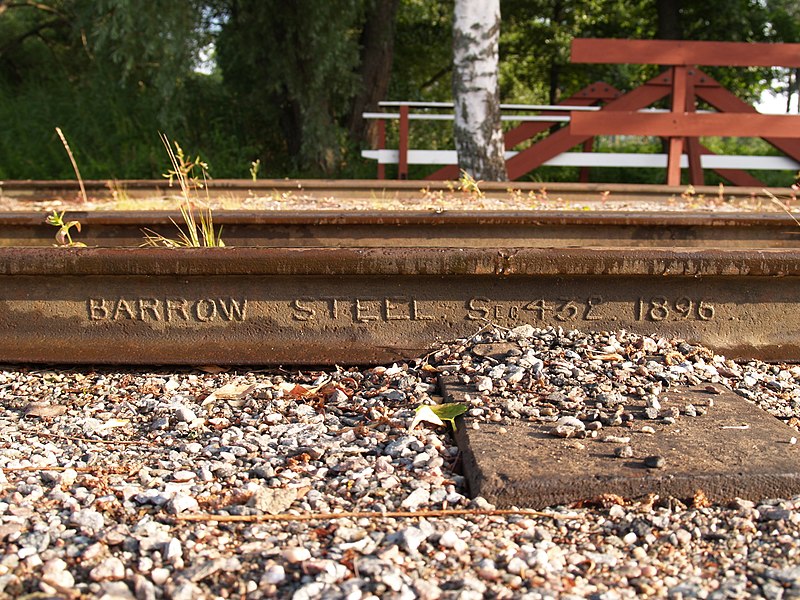
rail
linear bearing and guide elements used in rail transport

railroad tie
support for the rails in railroad tracks
track ballast
trackbed upon which railroad ties are laid
loading gauge
Maximum height and width for railway vehicles and their loads
railway junction
place at which two or more rail routes converge or diverge
gauntlet track
railway piece that features overlapping rails on the same sleepers

fishplate
thumb|A fishplate joins two lengths of track.
track bed
structure on railway lines supporting (in some cases, sleepers and) rails
guard rail
additional train rail used to resist derailment

subgrade
thumb|right|Layers in the construction of a mortarless pavement: A.) Subgrade B.) Subbase (pavement)|Subbase C.) [[Base course D.) Paver base E.) Pavers F.) Fine-grained sand]]
450px|thumb|right|Section through railway track and foundation showing the sub-grade
In transport engineering, subgrade is the term used in the US for the native material underneath a constructed road, pavement or railway track (US: railroad track). In British English it is called formation level.
tramway track
railway track on urban streets used by trams
concrete sleeper
type of railway sleeper made out of prestressed concrete
track maintenance
method or steps that maintain, clean up, or repair a railway and lengthens its lifespan

breather switch
international gap in railway to allow for track expansion
green track
railway trackbed planted with grass or other vegetation