Category
page 1Pesticides

Paracetamol
Paracetamol, or acetaminophen, is an analgesic and antipyretic agent used to treat fever and mild to moderate pain. It is a widely available over-the-counter drug sold generically or under various brand names, including Tylenol and Panadol.

pesticide
thumb|A self-propelled crop sprayer spraying pesticide on a field
thumb|A crop-duster spraying pesticide on a field
Pesticides are substances that are used to control pests. They include herbicides, insecticides, nematicides, fungicides, and many others (see table). The most common of these are herbicides, which account for approximately 50% of all pesticide use globally. Most pesticides are used as plant protection products (also known as crop protection products), which in general protect plants from weeds, fungi, or insects.

herbicide
thumb|A field after application of a herbicide
thumb|Weeds controlled with herbicide

DDT
Dichlorodiphenyltrichloroethane (DDT) is a colorless, tasteless, and almost odorless crystalline chemical compound, an organochloride. Originally developed as an insecticide, it became infamous for its environmental impacts. DDT was first synthesized in 1874 by the Austrian chemist Othmar Zeidler. DDT's insecticidal action was discovered by the Swiss chemist Paul Hermann Müller in 1939. DDT was used in the second half of World War II to limit the spread of the insect-borne diseases malaria and typhus among civilians and troops. Müller was awarded the Nobel Prize in Physiology or Medicine in 19

potassium bromide
chemical compound

Zyklon B
trade name of a cyanide-based pesticide

cryolite
Cryolite (Na3AlF6, sodium hexafluoroaluminate) is a rare mineral identified with the once-large deposit at Ivittuut on the southwest coast of Greenland, mined commercially until 1987.
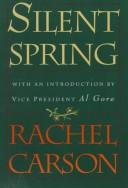
Silent Spring
essay by Rachel Carson
biocide
A biocide is defined in the European legislation as a chemical substance or microorganism intended to destroy, deter, render harmless, or exert a controlling effect on any harmful organism. The US Environmental Protection Agency (EPA) uses a slightly different definition for biocides as "a diverse group of poisonous substances including preservatives, insecticides, disinfectants, and pesticides used for the control of organisms that are harmful to human or animal health or that cause damage to natural or manufactured products". When compared, the two definitions roughly imply the same, althoug

borate
thumb|The orthoborate anion, a simple borate anion
A borate is any of a range of boron oxyanions, anions containing boron and oxygen, such as orthoborate , metaborate , or tetraborate ; or any salt of such anions, such as sodium metaborate, and borax . The name also refers to esters of such anions, such as trimethyl borate .
trimethylamine
Trimethylamine (TMA) is an organic compound with the formula N(CH3)3. It is a trimethylated derivative of ammonia. TMA is widely used in industry. At higher concentrations it has an ammonia-like odor, and can cause necrosis of mucous membranes on contact. At lower concentrations, it has a "fishy" odor, the odor associated with rotting fish.
niclosamide
Niclosamide, sold under the brand name Niclocide among others, is an anthelmintic medication used to treat tapeworm infestations, including diphyllobothriasis, hymenolepiasis, and taeniasis. It is not effective against other worms such as flukes or roundworms. It is taken by mouth.

fumigation
250px|thumb|A building in Riverside, California, subject to tent fumigation, or "tenting"
250px|thumb|Fumigation of a hotel (Vila Shanti) in Bali where the gas even reaches the hotel lobby (February 2010)
.jpg)
defoliant
thumb|281x281px|Defoliants are used as an aid in the harvesting of certain crops such as cotton.
thumb|2,4-D, one of the first chemical herbicides used as a defoliant.|281x281px
thumb|U.S. Army Huey helicopter spraying [[Agent Orange over agricultural land during the Vietnam War.|283x283px]]
sodium fluoroacetate
chemical compound
bromine monochloride
chemical compound

chloramine T
Chloramine-T is the organic compound with the formula CH3C6H4SO2NClNa. Both the anhydrous salt and its trihydrate are known. Both are white powders. Chloramine-T is used as a reagent in organic synthesis. It is commonly used as cyclizing agent in the synthesis of aziridine, oxadiazole, isoxazole and pyrazoles. It's inexpensive, has low toxicity and acts as a oxidizing agent. In addition, it also acts as a source of nitrogen anions and electrophilic cations. It may undergo degradation on long term exposure to atmosphere such that care must be taken during its storage.
acephate
Acephate is an organophosphate foliar and soil insecticide of moderate persistence with residual systemic activity of about 10–15 days at the recommended use rate. It is used primarily for control of aphids, including resistant species, in vegetables (e.g. potatoes, carrots, greenhouse tomatoes, and lettuce) and in horticulture (e.g. on roses and greenhouse ornamentals). It also controls leaf miners, caterpillars, sawflies, thrips, and spider mites in the previously stated crops as well as turf, and forestry. By direct application to mounds, it is effective in destroying imported fire ants.
1,2,3,4,5,6-hexachlorocyclohexane
Hexachlorocyclohexane (HCH), , is any of several polyhalogenated organic compounds consisting of a six-carbon ring with one chlorine and one hydrogen attached to each carbon. This structure has nine stereoisomers (eight diastereomers, one of which has two enantiomers), which differ by the stereochemistry of the individual chlorine substituents on the cyclohexane. It is sometimes erroneously called "benzene hexachloride" (BHC). They have been used as models for analyzing the effects of different geometric positions of the large atoms with dipolar bonds on the stability of the cyclohexane confor
hexachloroacetone
Hexachloroacetone is an organic compound with the formula (Cl3C)2CO. It is also called hexachloropropanone or perchloroacetone. Numbers indicating the position of the chlorine-atoms are generally omitted as all the possible positions are substituted with chlorine. It is a colorless liquid, slightly soluble in water.

(E/Z)-1,3-dichloropropene
1,3-Dichloropropene, sold under diverse trade names, is an organochlorine compound with the formula . It is a colorless liquid with a sweet smell. It is feebly soluble in water and evaporates easily. It is used mainly in farming as a pesticide, specifically as a preplant fumigant and nematicide. It acts non-specifically and is in IRAC class 8A. It is widely used in the US and other countries, but is banned in 34 countries (including the European Union).
%2020230315%20180901.jpg)
mothball
thumb|right|Mothballs
thumb|upright|A packet of mothballs
iprodione
Iprodione is a hydantoin fungicide and nematicide.
Health effects of pesticides
medical condition
azinphos-methyl
Azinphos-methyl (Guthion) (also spelled azinophos-methyl) is a broad spectrum organophosphate insecticide manufactured by Bayer CropScience, Gowan Co., and Makhteshim Agan. Like other pesticides in this class, it owes its insecticidal properties (and human toxicity) to the fact that it is an acetylcholinesterase inhibitor (the same mechanism is responsible for the toxic effects of the V-series nerve agent chemical weapons). It is classified as an extremely hazardous substance in the United States as defined in Section 302 of the U.S. Emergency Planning and Community Right-to-Know Act (42 U.S.C

tributyltin compound
thumb|The structure of tributyltin oxide: the most common TBT compound used in marine paint
thumb|Biofouling on the hull of a boat
Procymidone
Procymidone is a pesticide. It is often used for killing unwanted ferns and nettles, and as a dicarboximide fungicide for killing fungi, for example as seed dressing, pre-harvest spray or post-harvest dip of lupins, grapes, stone fruit, strawberries. It is a known endocrine disruptor (androgen receptor antagonist) which interferes with the sexual differentiation of male rats. It is considered to be a poison.

chlorophacinone
Chlorophacinone is a first-generation anticoagulant rodenticide. The mechanism of action results in internal bleeding due to non-functional clotting factors. It was used as a toxin to control rodent populations. It is classified as an extremely hazardous substance in the United States as defined in Section 302 of the U.S. Emergency Planning and Community Right-to-Know Act (42 U.S.C. 11002) and is subject to strict reporting requirements by facilities which produce, store, or use it in significant quantities.
piscicide
A piscicide is a chemical substance which is poisonous to fish. The primary use for piscicides is to eliminate a dominant species of fish in a body of water, as the first step in attempting to populate the body of water with a different fish. They are also used to combat parasitic and invasive species of fish.
chlorobenzilate
Chlorobenzilate is a pesticide that is not currently used in the United States or Europe. It was originally developed by Ciba-Geigy and introduced in 1952. It was used as an acaricide against mites on citrus trees, including deciduous fruit trees. It has been detected as a residue on tomatoes found in Japanese markets in 2005. It is a non-systemic pesticide that works through contact and as a neurotoxin: it disrupts the functioning of the nervous system.
pesticide resistance
decreased susceptibility of a pest population to a pesticide that was previously effective at controlling the pest
folpet
Folpet is the tradename for the organic compound with the formula C6H4(CO)2NSCCl3. It is a fungicide derived from phthalimide (C6H4(CO)2N-) and trichloromethylsulfenyl chloride. The compound is white although commercial samples can appear brownish. It is structurally related to Captan, which is also a trichloromethylsulfenyl-containing fungicide.

crimidine
Crimidine is a convulsant poison used as a rodenticide. Crimidine was originally known by its product name, Castrix. It was originally produced in the 1940s by the conglomerate, IG Farben. It is classified as an extremely hazardous substance in the United States as defined in Section 302 of the U.S. Emergency Planning and Community Right-to-Know Act (42 U.S.C. 11002), and is subject to strict reporting requirements by facilities which produce, store, or use it in significant quantities. It is also no longer used in the United States as a rodenticide, but is still used to this day in other coun

pirimiphos-methyl
Pirimiphos-methyl, marketed as Actellic and Sybol, is a phosphorothioate used as an insecticide. It was originally developed by Imperial Chemical Industries Ltd., now Syngenta, at their Jealott's Hill site and first marketed in 1977, ten years after its discovery.
metam-sodium
chemical compound
dioxation
Dioxathion, systematically known as p-dioxane-2,3-diyl ethyl phosphorodithioate, is an organophosphate pesticide. It is used as an insecticide on livestock and as an acaricide on citrus fruits, deciduous fruits and nuts.
chlorbenside
Chlorbenside (C13H10Cl2S), also known as chlorparaside and chlorsulfacide, is a pesticide. It is used as an acaricide being used to kill mites and ticks.
muscalure
'(Z)-9-Tricosene, known as muscalure', is an insect pheromone found in dipteran flies such as the housefly. Females produce it to attract males to mate. It is used as a pesticide, as in Maxforce Quickbayt by Bayer, luring males to traps to prevent them from reproducing.
phytotoxicity
thumb|300x300px|Phytotoxic effects of the fungus Rhytisma acerinum on a Maple leaf.
Phytotoxicity describes any adverse effects on plant growth, physiology, or metabolism caused by a chemical substance, such as high levels of fertilizers, herbicides, heavy metals, or nanoparticles. General phytotoxic effects include altered plant metabolism, growth inhibition, or plant death. Changes to plant metabolism and growth are the result of disrupted physiological functioning, including inhibition of photosynthesis, water and nutrient uptake, cell division, or seed germination.
pesticide drift
diffusion of pesticides into the environment
Fogger
A fogger or bug bomb is any device that creates a fog by releasing their contents at once to fumigate an area. Foggers typically contain a pesticide or an insecticide such as aerosol propellants for killing insects and other arthropods. Foggers are often used by consumers as a low cost alternative to professional pest control services. The number of foggers needed for pest control depends on the size of the space to be treated, as stated for safety reasons on the instructions supplied with the devices. The fog may contain flammable gases, leading to a danger of explosion if a fogger is used in
pesticide application
application of chemicals intended to kill or deter pests
metepa
Metepa is a chemosterilant, with the capability to restrict ovarian development. Metepa can also result in carcinogenesis, in particular the formation of teratomas. It a minor ingredient in certain solid rocket propellants.
tephrosin
Tephrosin is rotenoid. It is a natural fish poison found in the leaves and seeds of Tephrosia purpurea and T. vogelii.
Maximum Residue Limit
larvicide
thumb|300px|Larvicide CULINEX Tab plus, Bacillus thuringiensis israelensis
A larvicide (alternatively larvacide) is an insecticide that is specifically targeted against the larval life stage of an insect. Their most common use is against mosquitoes. Larvicides may be contact poisons, stomach poisons, growth regulators, or (increasingly) biological control agents.
3-trifluoromethyl-4-nitrophenol
chemical compound
farinomalein
Farinomalein is a natural maleimide with formula C10H13NO4 - was first isolated from the entomopathogenic fungus Isaria farinosa (Paecilomyces farinosus) - source H599 (Japan).
pesticide residue
pesticide applied to food crops remaining on or in food
dichlofenthion
(±)-indoxacarb
Indoxacarb is an oxadiazine pesticide developed by DuPont that acts against lepidopteran larvae. It is marketed under the names Indoxacarb Technical Insecticide, Steward Insecticide and Avaunt Insecticide. It is also used as the active ingredient in the Syngenta line of commercial pesticides: Advion and Arilon.
Cross-resistance
thumb|321x321px
Cross-resistance is when something develops resistance to several substances that have a similar mechanism of action. For example, if a certain type of bacteria develops antimicrobial resistance to one antibiotic, that bacteria will also have resistance to several other antibiotics that target the same protein or use the same route to get into the bacterium. A real example of cross-resistance occurred for nalidixic acid and ciprofloxacin, which are both quinolone antibiotics. When bacteria developed resistance to ciprofloxacin, they also developed resistance to nalidixic acid b
4-phenylthiosemicarbazide
4-Phenylthiosemicarbazide (4-PTSC) is a thiosemicarbazide used as an agricultural chemical and pesticide. It also possesses antibacterial properties attributed to electron delocalization in the thiosemicarbazide moiety.
thujaplicin
Thujaplicin (isopropyl cycloheptatrienolone) is any of three isomeric tropolone-related natural products that have been isolated from the softwoods of the trees of Cupressaceae family. These compounds are known for their antibacterial, antifungal, and antioxidant properties. They were the first natural tropolones to be made synthetically.
chromated copper arsenate
wood preservative
pesticide formulation
Constituents of pesticides
vinyl sulfone
any organic compound with a vinyl group attached to a sulfone group
sodium dimethyldithiocarbamate
chemical compound
Hindustan Insecticides
Indian chemical company
Circle of Poison
export of illegal pesticides