Category
page 1Philosophical anthropology

structuralism
Structuralism is an intellectual current and methodological approach, primarily in the social sciences, that interprets elements of human culture by way of their relationship to a broader system. It works to uncover the structural patterns that underlie all things that humans do, think, perceive, and feel.

transhumanism
Transhumanism is a philosophical movement that advocates the enhancement of the human condition by developing and making widely available new and future technologies to enhance longevity, cognition, and well-being. Influenced by seminal works of science fiction, the transhumanist vision of a transformed future humanity has many supporters and detractors from a wide range of perspectives, including philosophy and religion. Some critics argue that transhumanism amounts to little more than a "rebranding" of eugenics.

human nature
fundamental characteristics of human beings

tabula rasa
Latin phrase; philosophical theory of mind

Peter Sloterdijk
German philosopher (born 1947)
philosophical anthropology
branch of anthropology and philosophy that studies human nature and ideologies
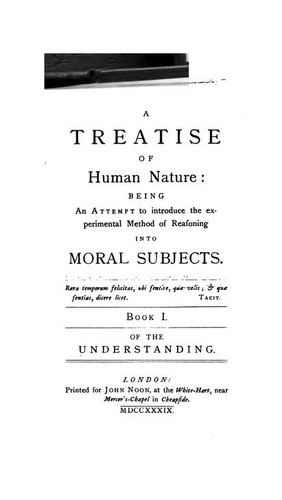
A Treatise of Human Nature
work by David Hume
intersubjectivity
Intersubjectivity describes the shared understanding that emerges from interpersonal interactions.
philosophy of archaeology
philosophical framework used in investigating archaeological practices
Mimetic theory
Theory of human desire by René Girard

The human phenomenon
essay by Pierre Teilhard de Chardin
eternal feminine
archetype that idealizes an immutable concept of woman
Marx's theory of human nature
marx's views on the totality of society, feelings and behaviors
Lila: An Inquiry into Morals
philosophical novel by Robert M. Pirsig
Symbolicum
Martti Olavi Siirala
Finnish philosopher