Category
page 1Philosophical problems

free will
ability of agents to be the ultimate source or originator of their choices, free from external determination

meaning of life
philosophical and spiritual question concerning the significance of living or existence in general

Sapir-Whorf hypothesis
claim that the structure of a language affects its speakers' world view or cognition

existence of God
question of whether God exists
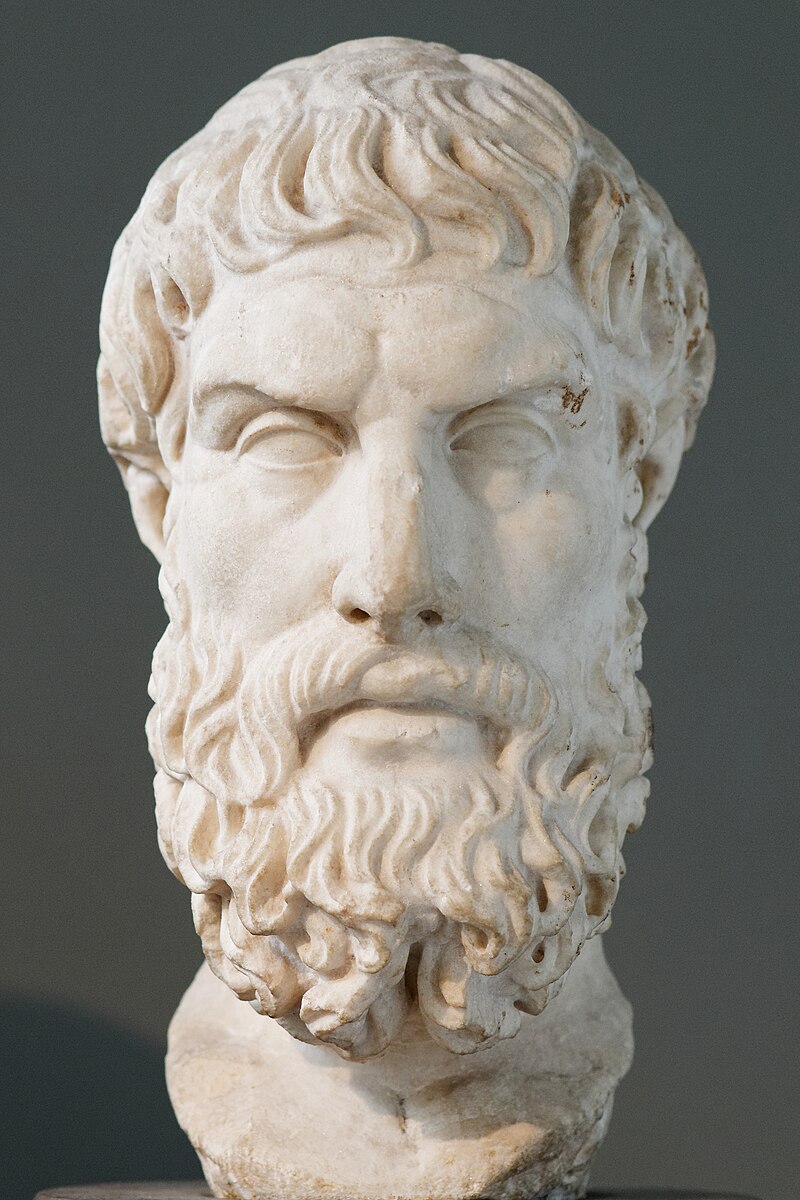
problem of evil
question on reconciling the existence of evil with an omnibenevolent, omniscient and omnipotent God

mind–body problem
open question in philosophy of how abstract minds interact with physical bodies

demarcation problem
about how to distinguish between science and nonscience, including between science, pseudoscience, and other products of human activity, like art and literature, and beliefs
trolley problem
thought experiment in ethics
problem of universals
philosophical question of whether properties exist, and if so, what they are
Gettier problem
philosophical problem about whether justified true belief always counts as knowledge
is–ought problem
philosophical problem articulated by David Hume in 1739 about how one can deduce prescriptive statements (what ought to be) from descriptive statements (what is)
hard problem of consciousness
the problem of explaining how and why organisms have qualia or phenomenal experiences
problem of induction
epistemological question of whether inductive reasoning leads to definitive knowledge understood in the classic philosophical sense
Duhem–Quine thesis
thesis that it is impossible to test a scientific hypothesis in isolation, because such an empirical test of it requires other assumptions
Molyneux's problem
philosophical thought experiment: “if a man born blind, who can feel the differences between shapes, is given the ability to see, could he distinguish those objects by sight?”
if a tree falls in a forest and no one is around to hear it, does it make a sound?
philosophical thought experiment
problem of other minds
the epistemological problem of how one can know that others have minds, given that one can only observe the behavior of others
moral luck
philosophical concept
explanatory gap
inability to describe conscious experiences in soley physical or structural terms
Why is there anything at all?
metaphysical question

problem of religious language
philosophical problem of whether it is possible to talk about God meaningfully if the traditional conceptions of God as being incorporeal, infinite, and timeless, are accepted
problem of time
conceptual conflict between general relativity and quantum mechanics
frame problem
the problem of finding adequate collections of axioms for a viable description of a robot environment using first-order logic
Consciousness causes collapse
Interpretation of quantum mechanics in which consciousness is postulated to be necessary for the completion of the process of quantum measurement
turtles all the way down
expression of the problem of infinite regress
Problem of mental causation
Conceptual issue in the philosophy of mind
Eternity of the world
philosophical question
regress argument
problem in epistemology that any proposition can be endlessly questioned
list of problems in philosophy
a list of some of the major unsolved problems in philosophy
Why am I me, rather than someone else?
philosophical question
Predation problem
consideration of predation as a moral problem