Category
page 1Pholcidae genera

Pholcus
Pholcus is a large genus of spiders of long-bodied cellar spider and allies in the family Pholcidae.

Crossopriza
Crossopriza is a genus of cellar spiders that was first described by Eugène Louis Simon in 1893.
Holocnemus
Holocnemus is a genus of cellar spiders that was first described by Eugène Louis Simon in 1873.
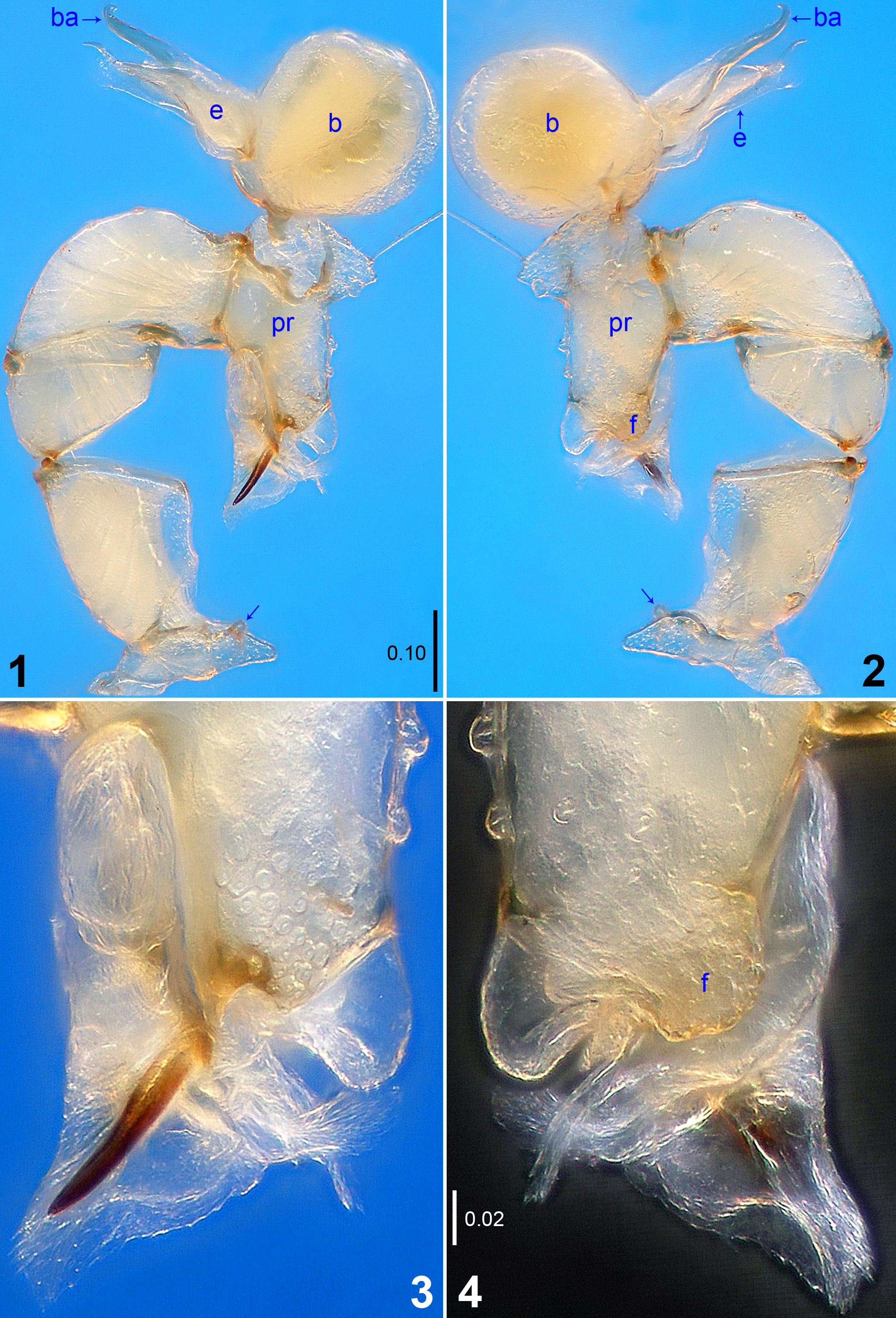
Belisana
genus of spiders
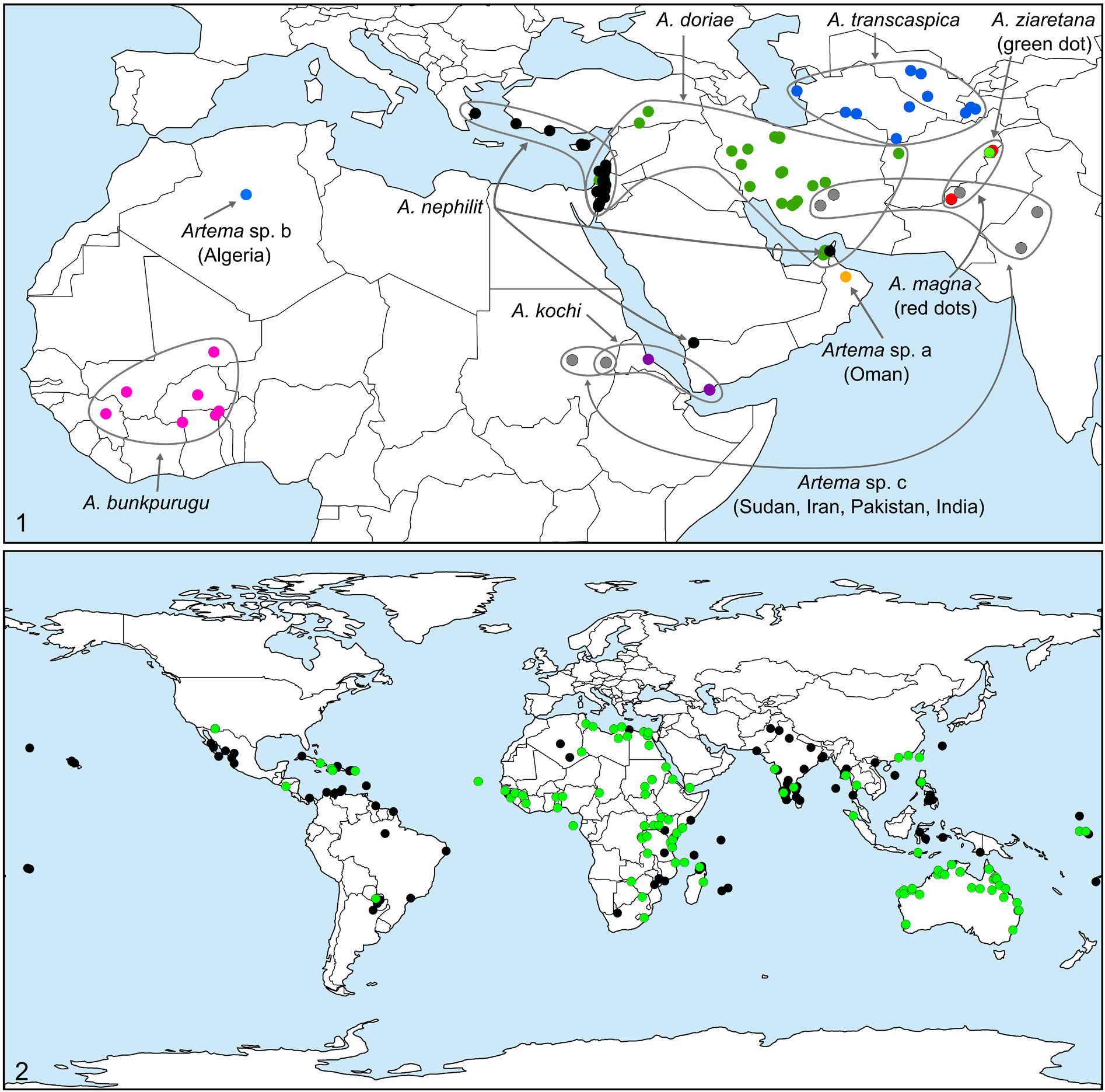
Artema
Artema is a genus of cellar spiders that was first described by Charles Athanase Walckenaer in 1837.
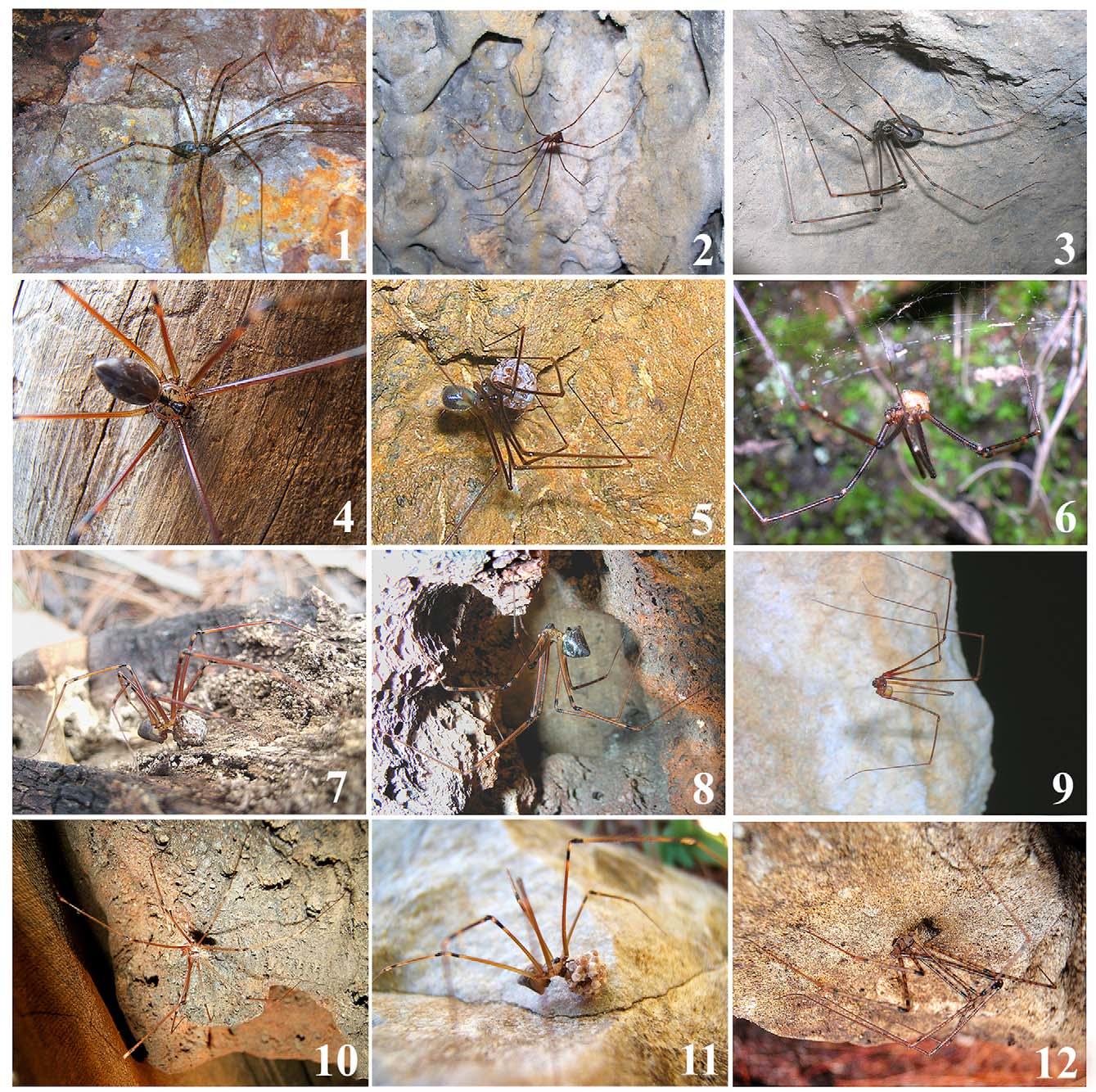
Ixchela
Ixchela is a genus of cellar spiders that was first described by B. A. Huber in 2000.
Anopsicus
Anopsicus is a genus of cellar spiders that was first described by Ralph Vary Chamberlin & Vaine Wilton Ivie in 1938.
Aucana
Aucana is a genus of cellar spiders that was first described by B. A. Huber in 2000.
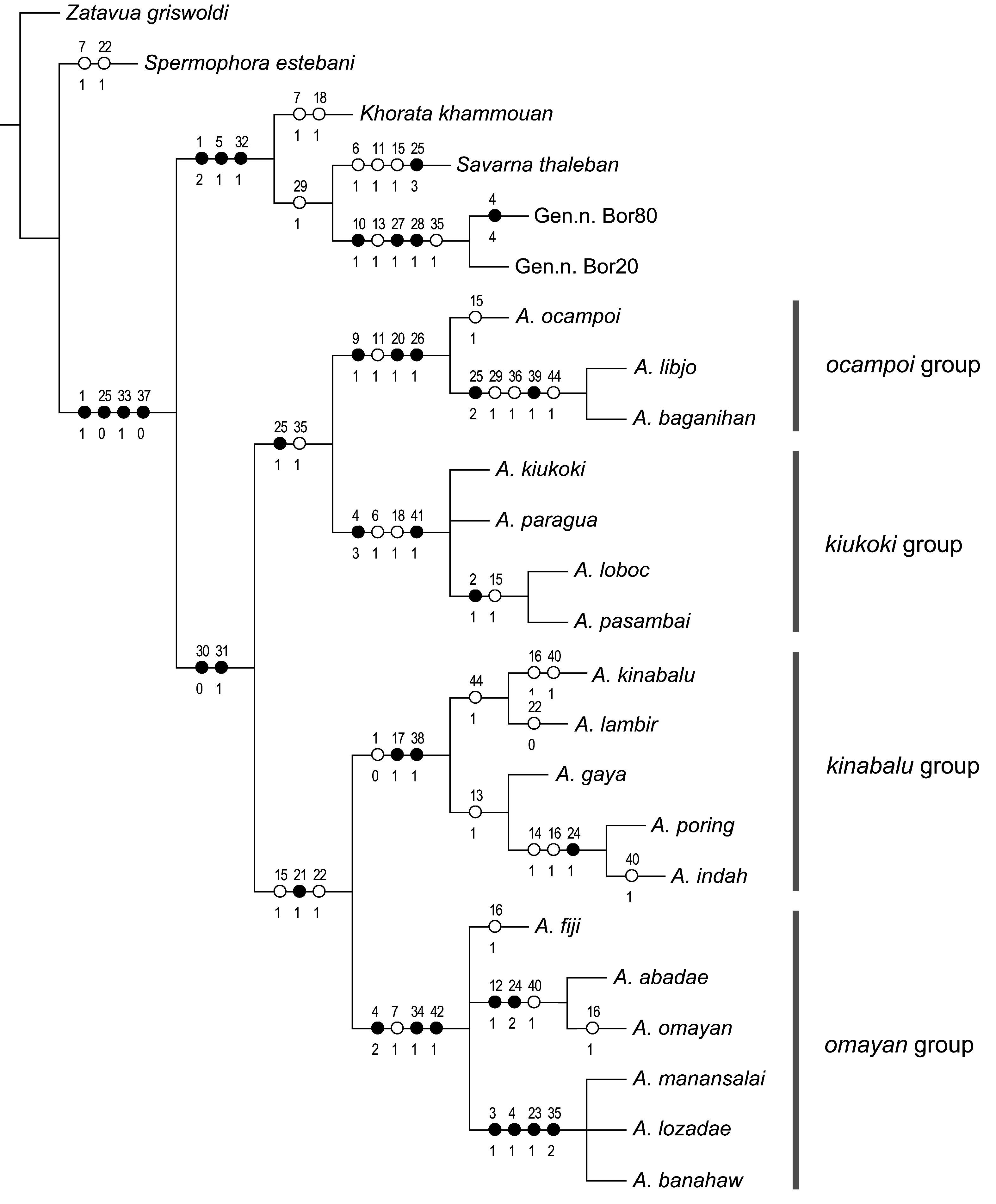
Aetana
Aetana is a genus of spiders in the family Pholcidae. It was first described in 2005 by Huber. , it contains 21 species, all from the Philippines and Southeast Asia.

Blancoa
genus of arachnids
Holocneminus
Holocneminus is a genus of cellar spiders that was first described by Lucien Berland in 1942. it contains only three species, found only in Oceania and Asia: H. multiguttatus, H. piritarsis, and H. samanggi.
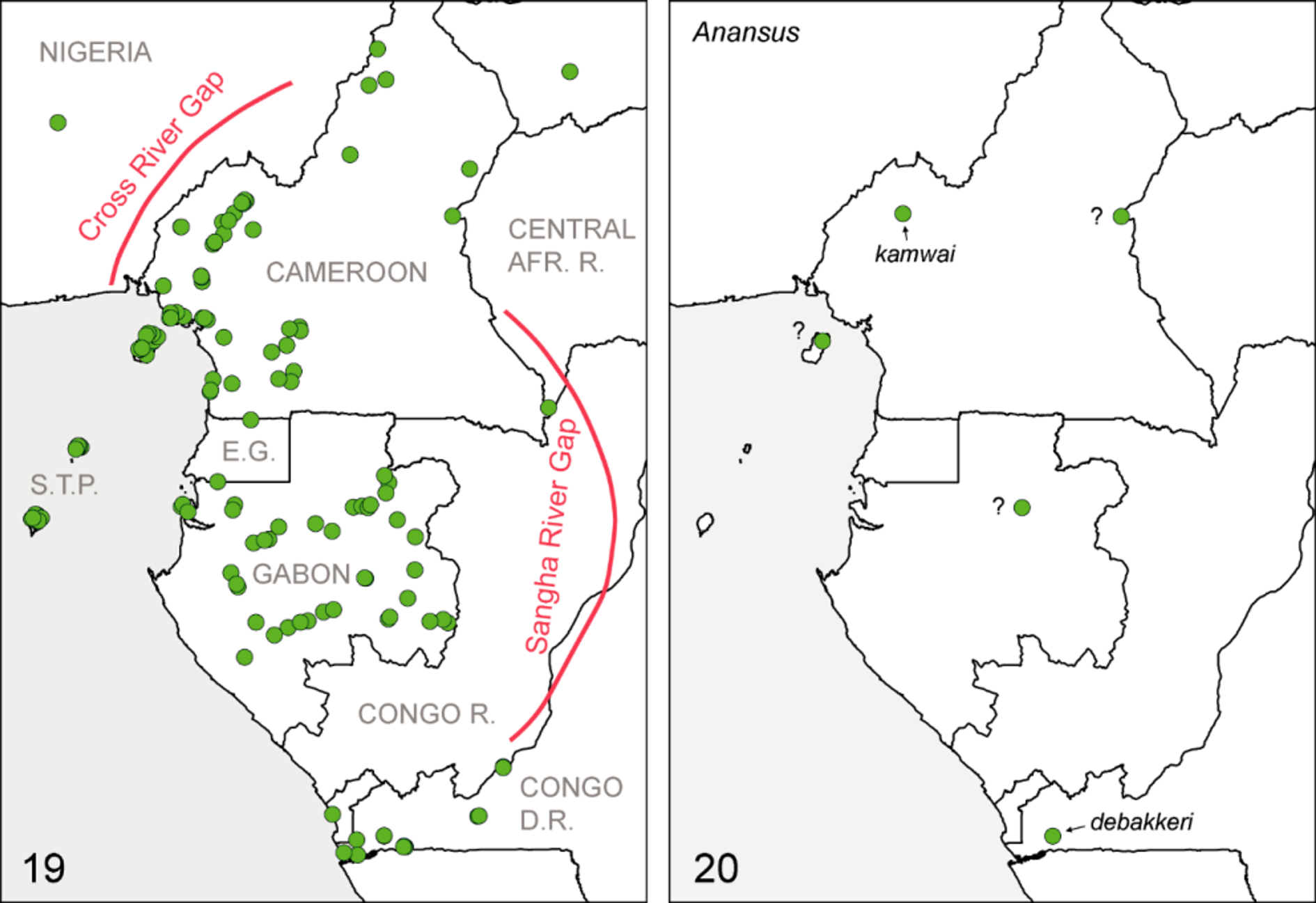
Anansus
Anansus is a genus of African cellar spiders that was first described by B. A. Huber in 2007.

Khorata
Khorata is a genus of Asian cellar spiders that was first described by B. A. Huber in 2005.
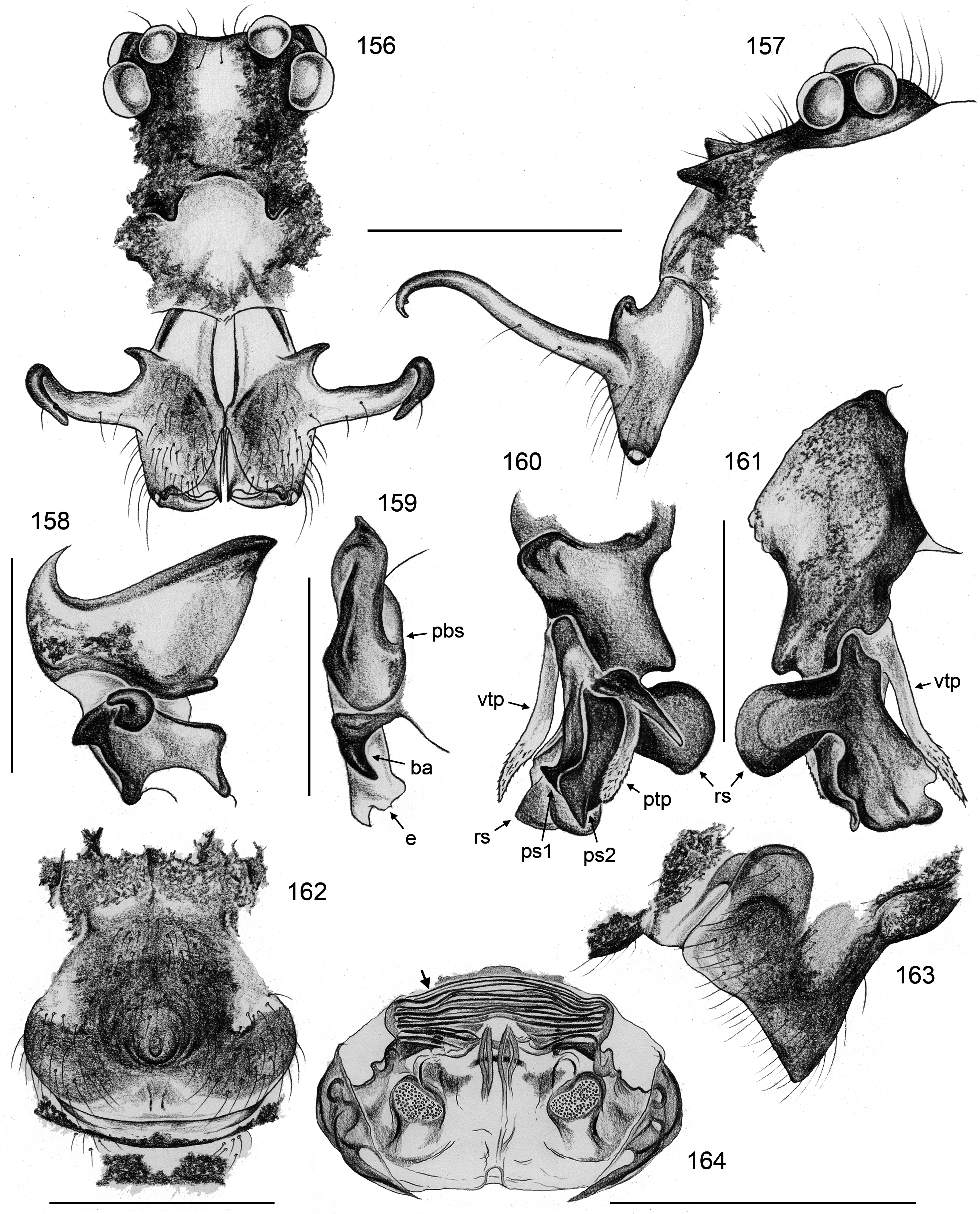
Wanniyala
Wanniyala is a genus of cellar spiders native to Sri Lanka, first described by Huber & Benjamin in 2005. They have six eyes and four pair of legs and grow up to 2 mm in length. The abdomen is globular and males have a distinctive distal hinged sclerite on the procursus of genitalia. The name is derived from the Sri Lankans native to the island that the first spiders were found on- the Vedda people- and their surname Wanniyala-Aetto.
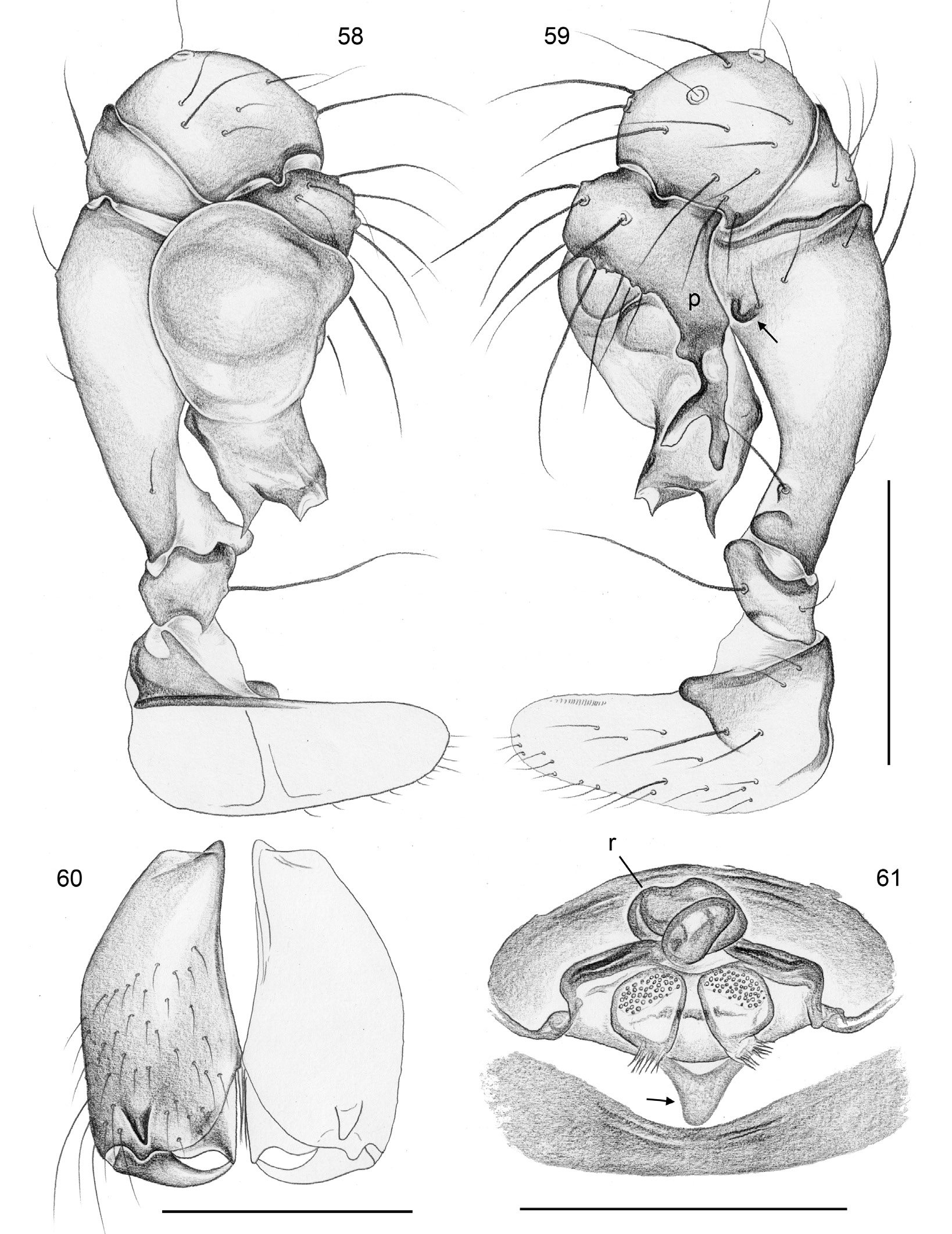
Canaima
genus of arachnids
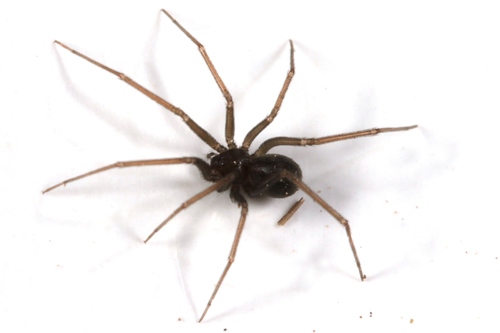
Gertschiola
Gertschiola is a genus of Argentinian cellar spiders that was first described by Paolo Marcello Brignoli in 1981. it contains only two species, found only in Argentina: G. macrostyla and G. neuquena.
Ibotyporanga
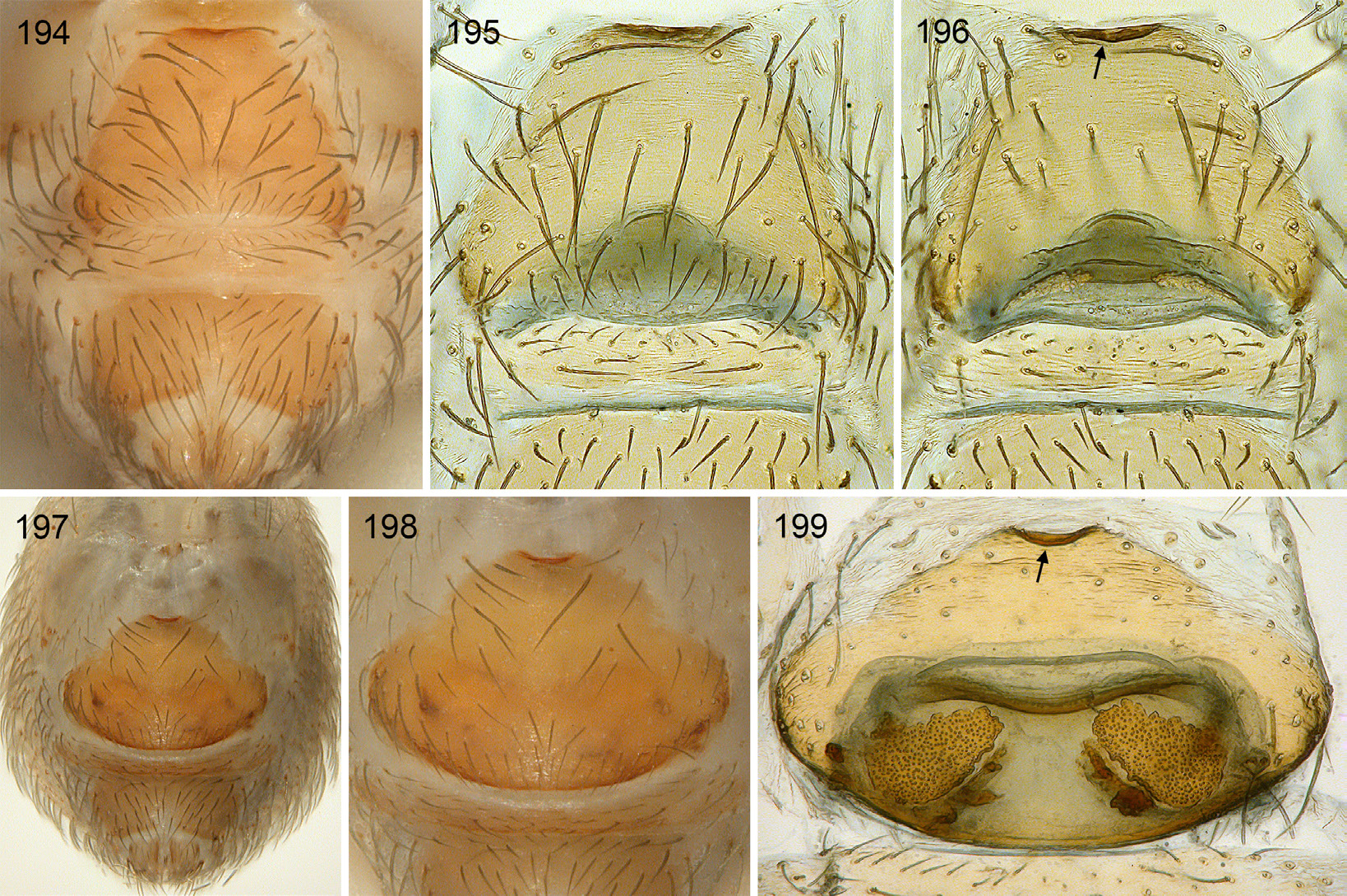
Ibotyporanga is a genus of spiders in the family Pholcidae. It was first described in 1944 by Mello-Leitão. , it contains 4 species, all from Brazil.
Buitinga
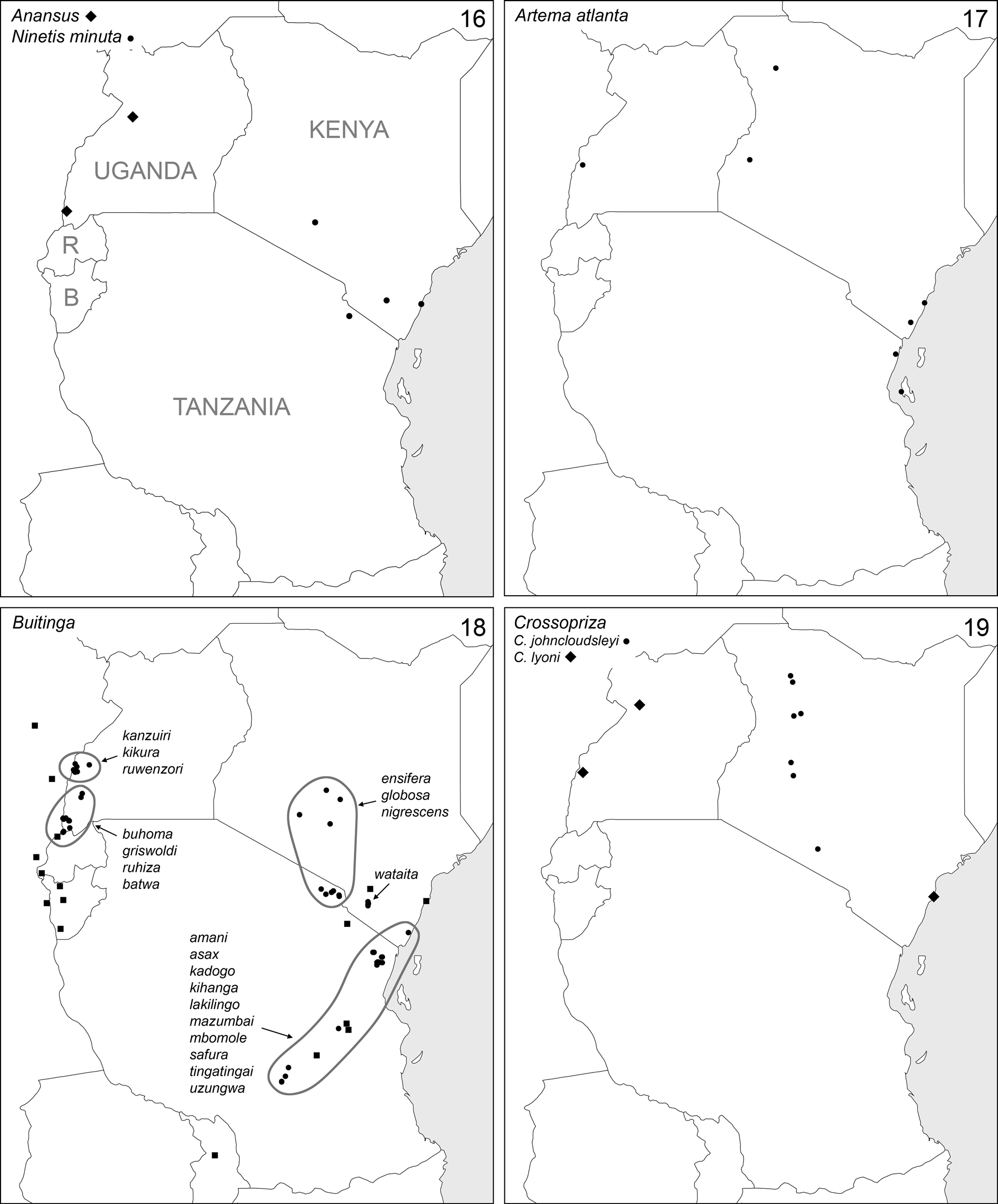
Buitinga is a genus of African cellar spiders that was first described by B. A. Huber in 2003.
Pholcophora
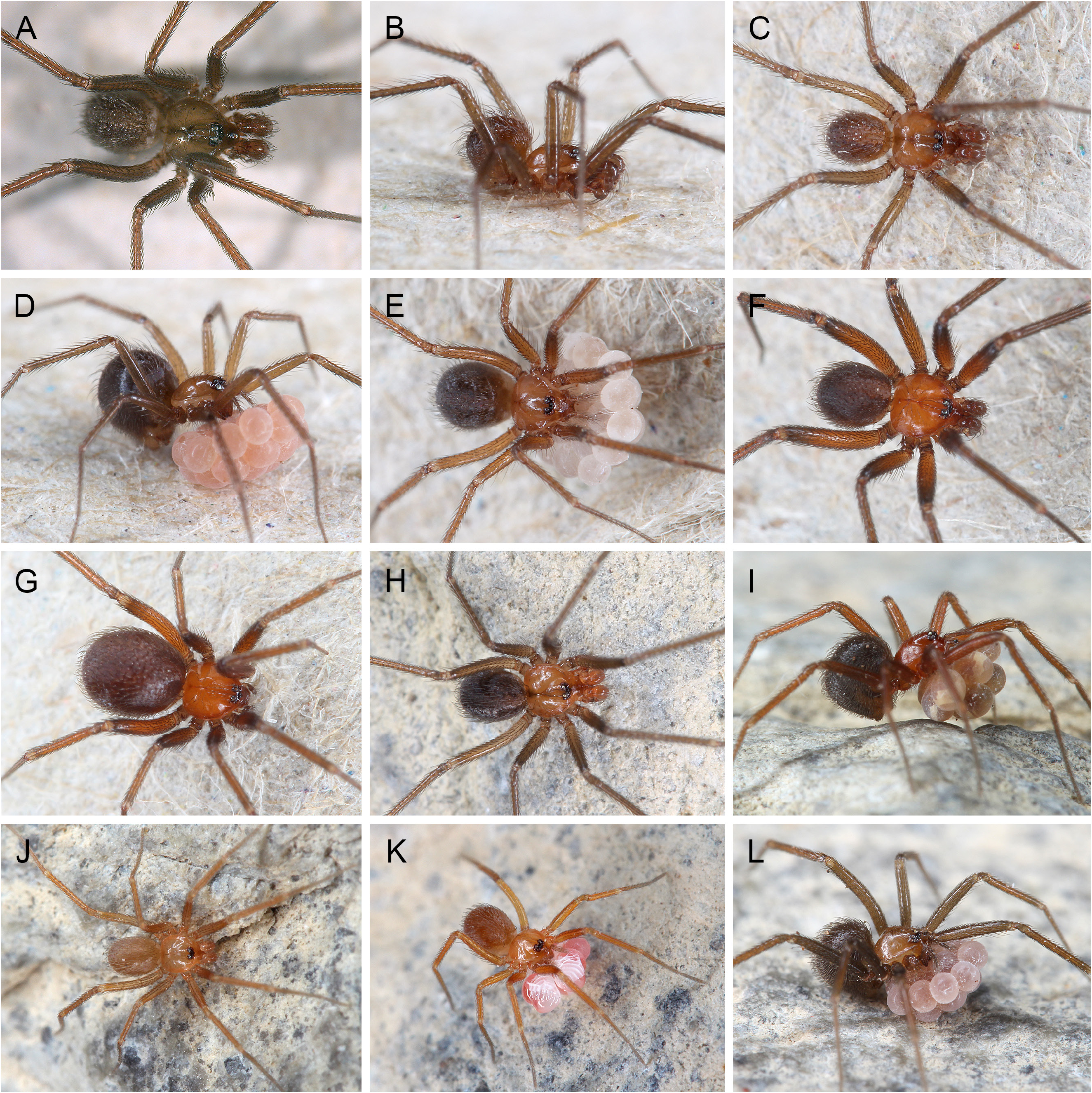
Pholcophora is a genus of cellar spiders that was first described by Nathan Banks in 1896.

Calapnita
Calapnita is a genus of Southeast Asian cellar spiders that was first described by Eugène Louis Simon in 1892.

Galapa
genus of arachnids

Chisosa
Chisosa is a genus of cellar spiders that was first described by B. A. Huber in 2000. it contains only three species, found in Aruba, the United States, Mexico, and on the Lesser Antilles: C. baja, C. caquetio, and C. diluta.
Cenemus
Cenemus is a genus of Seychelloise cellar spiders that was first described by Michael I. Saaristo in 2001. it contains only three species, found only on the Seychelles: C. culiculus, C. mikehilli, and C. silhouette.
Chibchea
Chibchea is a genus of South American cellar spiders that was first described by B. A. Huber in 2000.
Tolteca
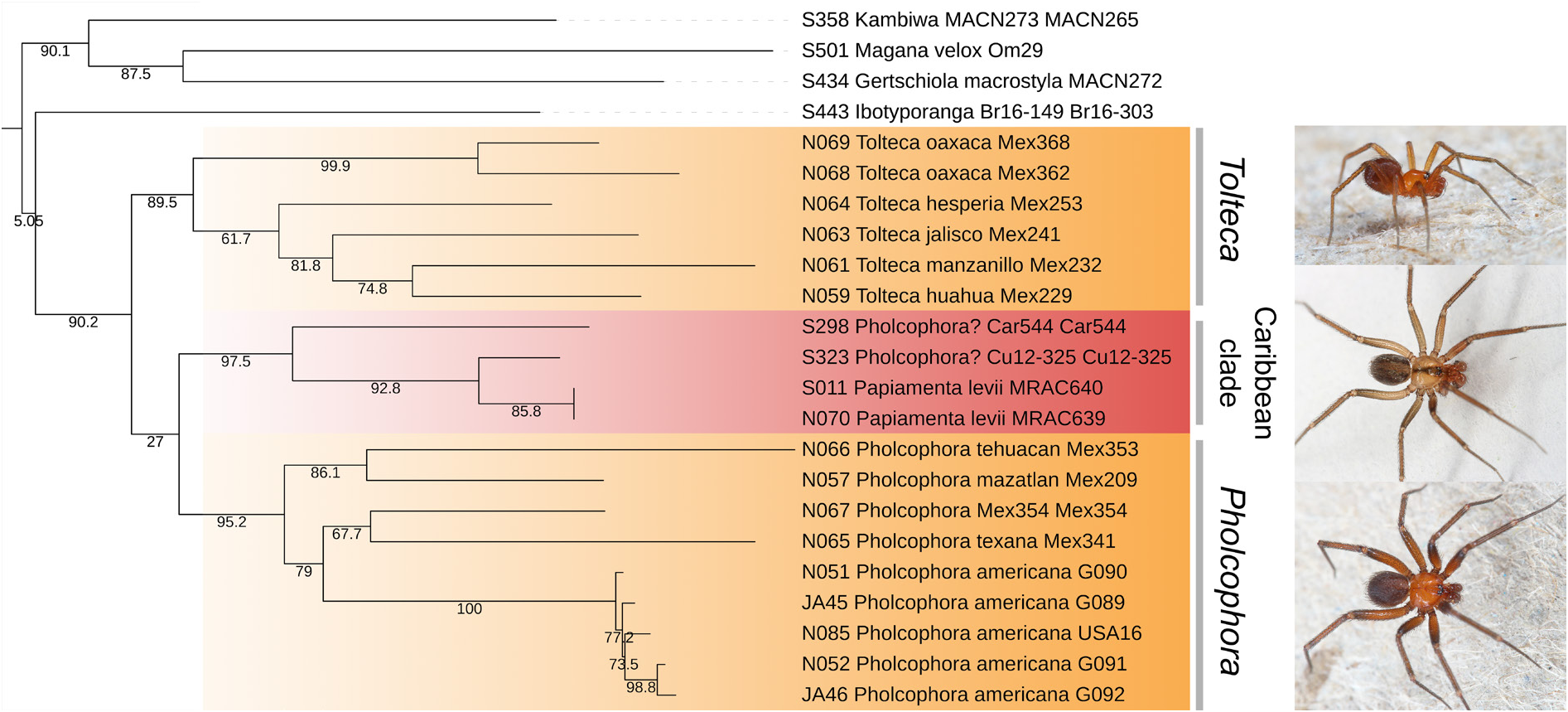
Tolteca is a genus of Mexican cellar spiders that was first described by B. A. Huber in 2000.
Stenosfemuraia
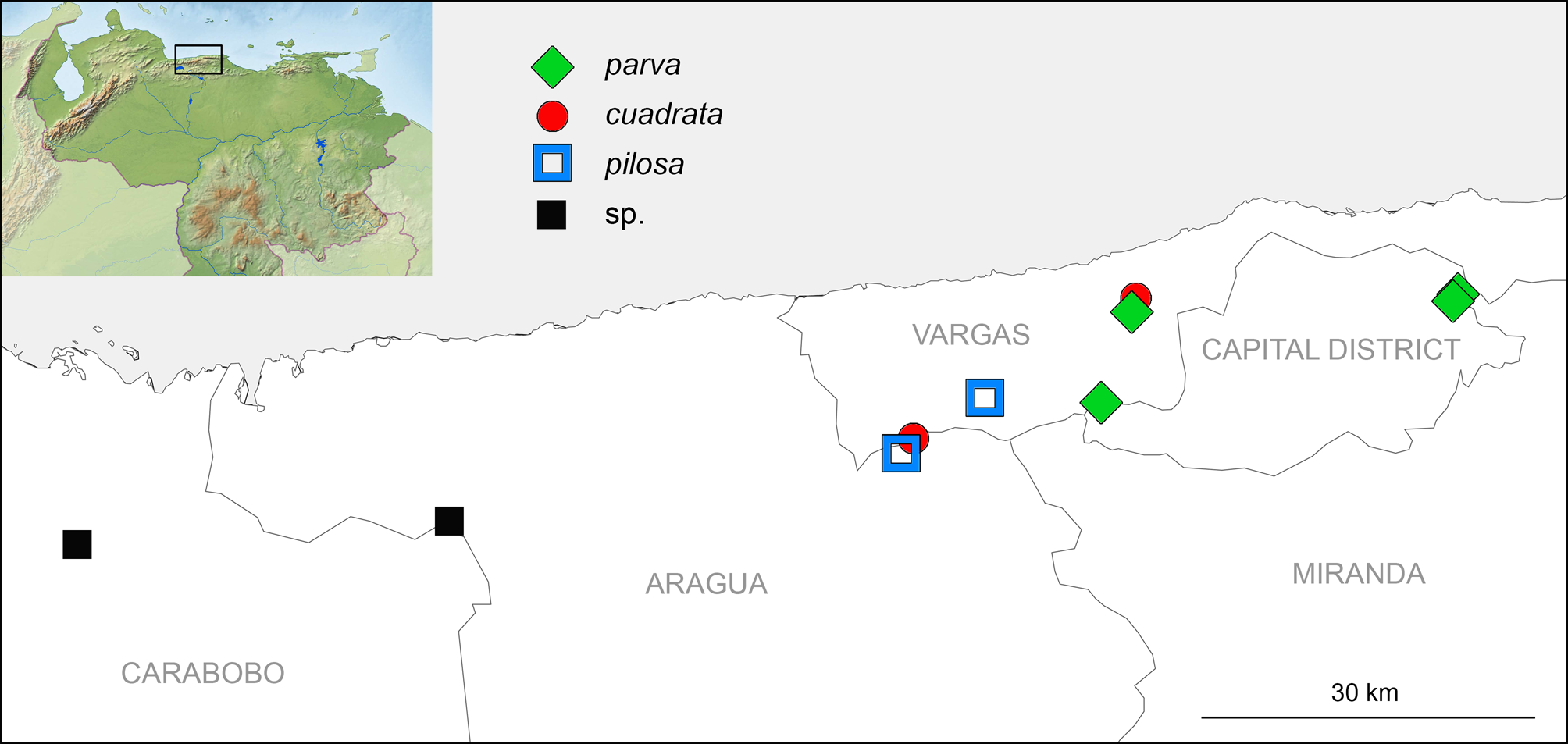
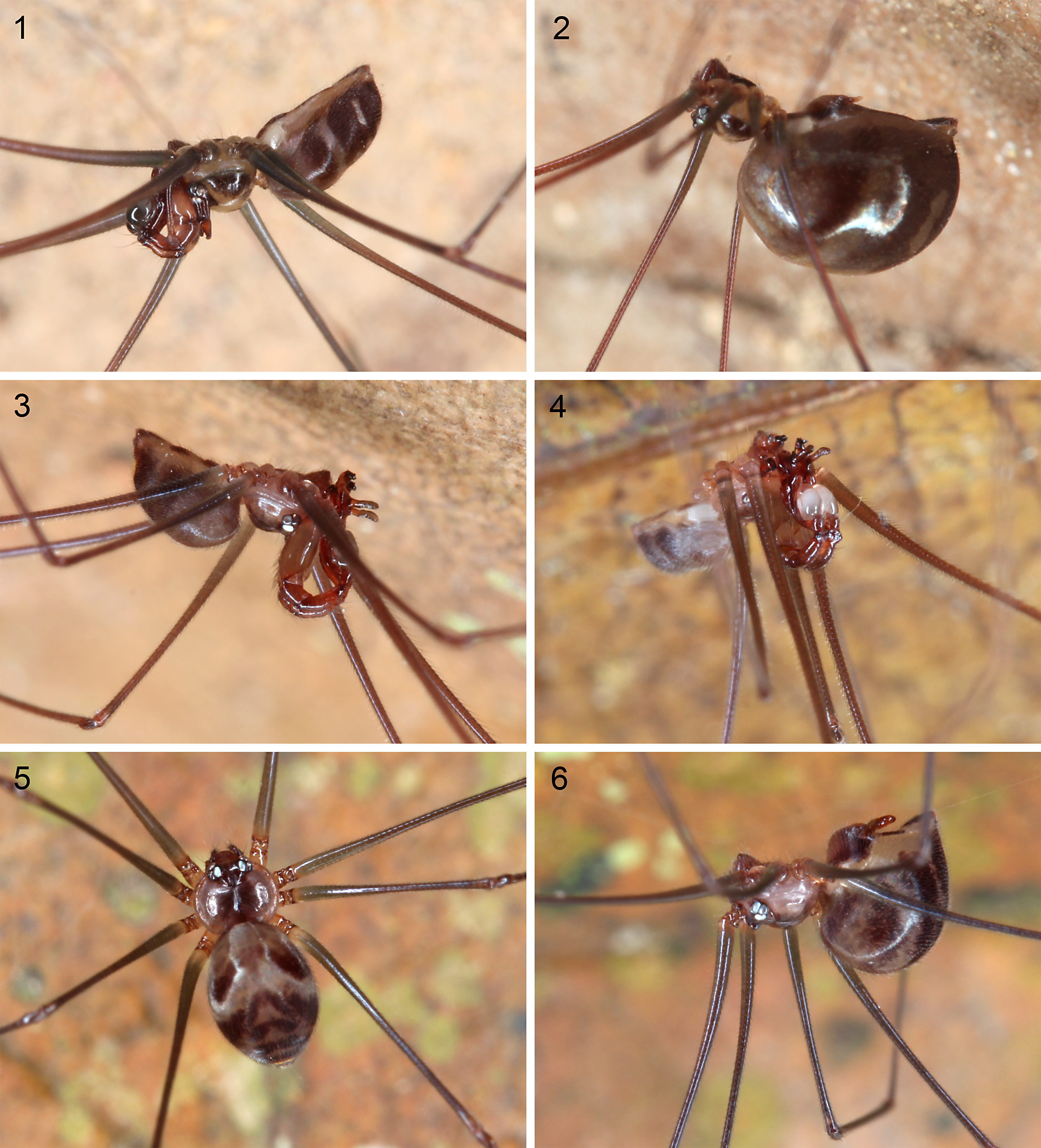
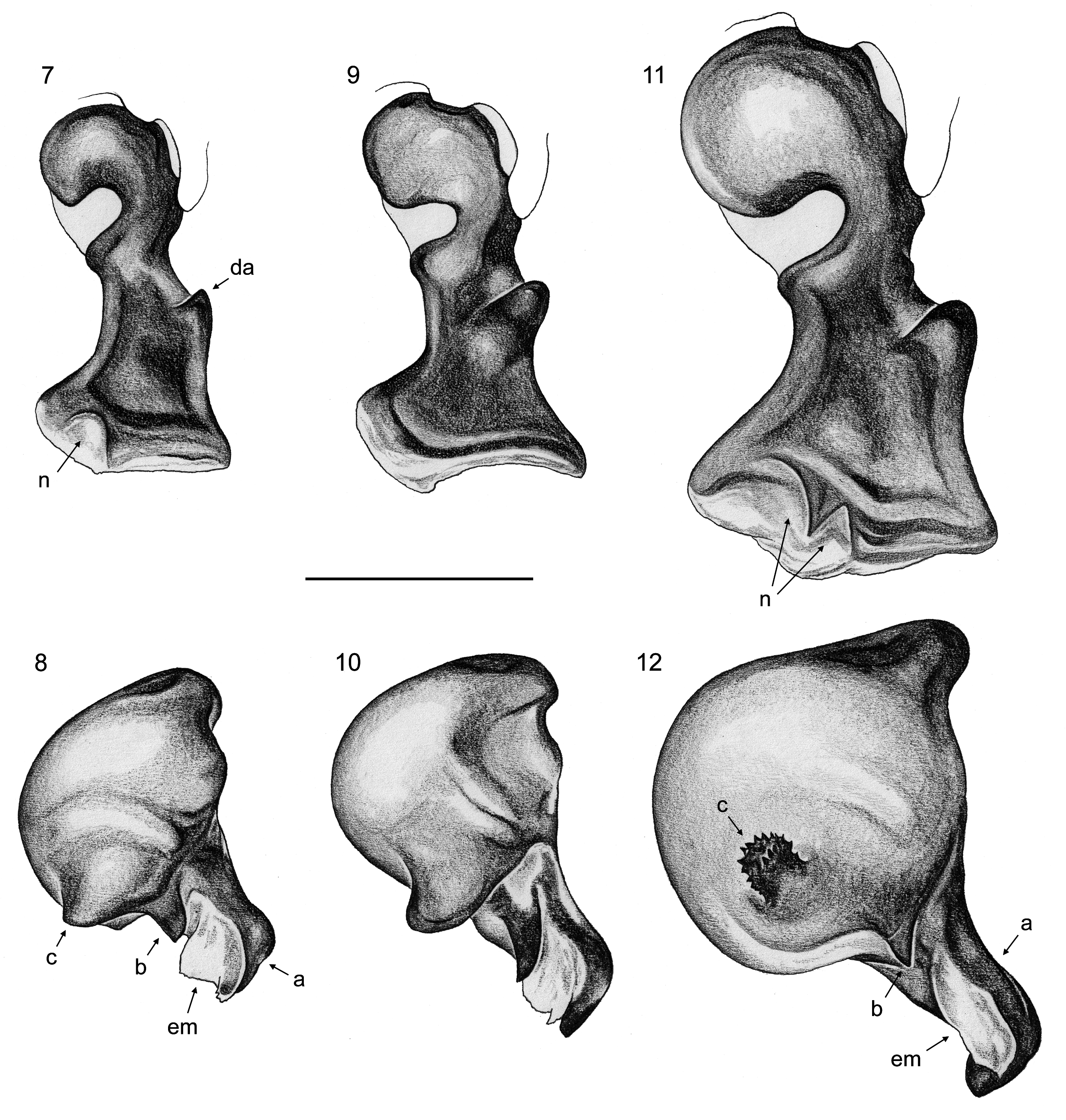
Stenosfemuraia is a genus of Venezuelan cellar spiders that was first described by M. A. González-Sponga in 1998. it contains only three species, found only in Venezuela: S. cuadrata, S. parva, and S. pilosa.
Apokayana
Apokayana is a genus of southeast Asian cellar spiders named after the Apo Kayan people of Indonesia and Malaysia. It was erected in 2018 for ten species transferred from Panjange after a molecular phylogenetic study of Pholcidae.
Hantu
genus of Arachnida
Meraha
Meraha is a genus of southeast Asian cellar spiders. The genus was erected in 2018 for two species transferred from Pholcus after a molecular phylogenetic study of Pholcidae. The name is derived from the Malay "merah", meaning "red", referring to the reddish-orange hue of pedipalps. They are average sized cellar spiders with a cylindrical abdomen, and they build domed webs above the ground.
Tissahamia
Tissahamia is a genus of southeast Asian cellar spiders named after Wanniyalaeto chief Uru Warige Tissahami. It was erected in 2018 for several species transferred from Pholcus after a molecular phylogenetic study of the Calapnita-Panjange clade of Pholcidae. They have long, thin abdomens that bend upward near the end. They also have six eyes, three on each of two eye stalks.
Kintaqa
Kintaqa is a genus of southeast Asian cellar spiders erected in 2018 for five species moved from Pholcus after a molecular phylogenetic study. They are medium-sized spiders, distinguished by their unique enlarged shape of fourth segment of pedipalps.
Cantikus
Cantikus is a genus of southeastern Asian cellar spiders first described by B. A. Huber, J. Eberle & D. Dimitrov in 2018.
Arnapa
Arnapa is a genus of cellar spiders native to Indonesia, first described by B. A. Huber and L. S. Carvalho in 2019. It is named after West Papuan musician and cultural leader Arnold Ap.
Kelabita
Kelabita is a small genus of southeast Asian cellar spiders. The genus was erected in 2018 for two species transferred from Pholcus after a molecular phylogenetic study of Pholcidae. It is named after the Kelabit, an ethnic group native to Borneo. They build domed webs up to above the ground, and can be distinguished by unique sclerotization, including a partially sclerotized embolus. it contains only two species: K. andulau and K. lambir.
Nipisa
Nipisa is a genus of southeast Asian cellar spiders erected in 2018 after a molecular phylogenetic study of Pholcidae. It consists of ten Calapnita species, previously the phyllicola group of Pholcidae, now elevated to genus rank. They are pale whitish in color, with a cylindrical abdomen and relatively long legs. The name is derived from the Malay "nipis", meaning "thin", in reference to the long, thin abdomen.
Pribumia
Pribumia is a genus of southeast Asian cellar spiders erected in 2018 for several species transferred from Pholcus after a molecular phylogenetic study of the Calapnita-Panjange clade of Pholcidae. Six species previously in the minang group of Pholcus were transferred, but P. tahai is now in Apokayana. They have long, thin abdomens and six eyes, three on each of two eye stalks. The name is derived from the local term for Native Indonesians.
Muruta
Muruta is a small genus of southeast Asian cellar spiders named after the Murut people. It was erected in 2018 for two species transferred from Pholcus after a molecular phylogenetic study of Pholcidae. They are average size for cellar spiders with relatively long legs, the first legs averaging long. Males can be distinguished from other species by hairless, flat sclerites on their chelicerae, and females can be distinguished by three-layered telescopic tubes in their genital structure. it contains only two species, both native to northern Borneo: M. bario and M. tambunan.
Teranga
Teranga is a genus of southeast Asian cellar spiders erected in 2018 for four species transferred from Pholcus after a molecular phylogenetic study of the Calapnita-Panjange clade of Pholcidae. They are medium-sized cellar spiders, averaging in length, with longer legs, the first pair reaching long. The abdomen is long and thin, with a slight upward bend near the end. The name is derived from the Malay "terang", meaning "bright", referring to their light color.
Paiwana
Paiwana is a small genus of east Asian cellar spiders named after the Paiwan people. The genus was erected in 2018 for two species transferred from Pholcus after a molecular phylogenetic study of Pholcidae. Males are distinguished by unique sclerotized modifications to the chelicerae, and females by the unique triangular epigynum shape. it contains only two species, both native to Taiwan: P. chengpoi and P. pingtung.