Category
page 1Photographic techniques

holography
thumb|Two photographs of a single hologram taken from different viewpoints

astrophotography
thumb|upright=1.15|An image of Orion's Belt composited from digitized black-and-white photographic plates recorded through red and blue astronomical filters, with a computer synthesized green channel. The plates were taken using the [[Samuel Oschin Telescope between 1987 and 1991.]]
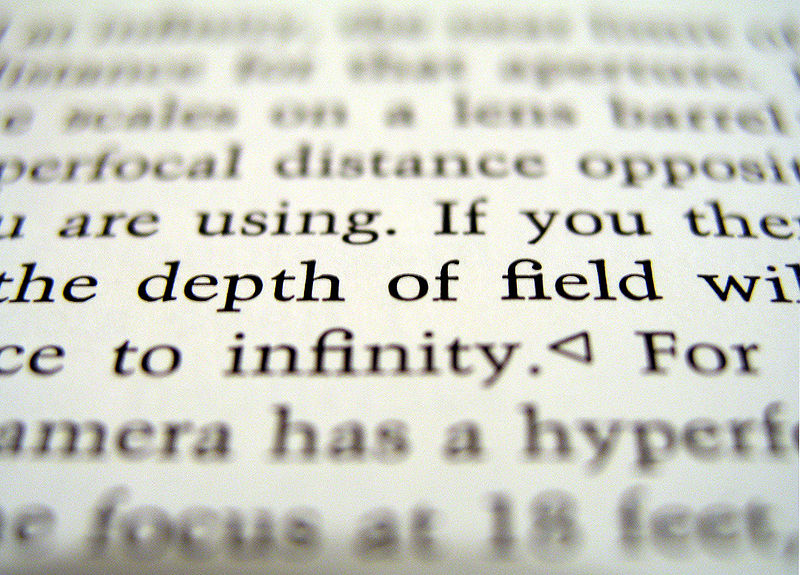
depth of field
distance between the nearest and the furthest objects that are in focus in an image
composition
placement or arrangement of visual elements or ingredients in a work of art

silhouette
thumb|A traditional silhouette portrait of the late 18th century
A silhouette (, ) is the image of a person, animal, object or scene represented as a solid shape of a single colour, usually black, with its edges matching the outline of the subject. The interior of a silhouette is featureless, and the silhouette is usually presented on a light background, usually white, or none at all. The silhouette differs from an outline, which depicts the edge of an object in a linear form, while a silhouette appears as a solid shape. Silhouette images may be created in any visual artistic medium, but were

macro photography
photography genre and techniques of extreme close-up pictures
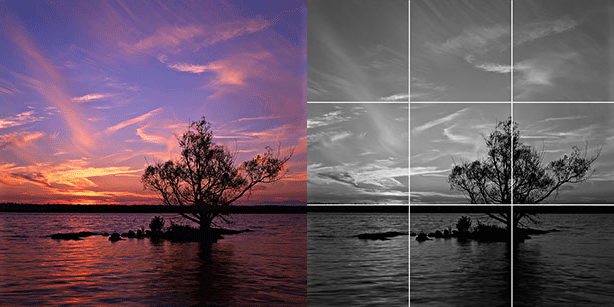
Rule of thirds
composition technique

photomontage
thumb|upright=1.35|Photomontage of kiwifruit and lemons, digitally manipulated using GIMP

airbrush
thumb|Paasche Airbrush Company|Paasche F#1 Single-action external mix airbrush
thumb|An Airbrush artist at work
An airbrush is a small, air-operated tool that atomizes and sprays various media, most often paint, but also ink, dye, and make-up. Spray painting developed from the airbrush and is considered to employ a type of airbrush.
multi-exposure HDR capture
imaging technique to increase representable range of luminosity, HDR stands for “high-dynamic range”
street photography
photography genre
pigeon photography
aerial photography by messenger pigeons equipped with cameras
Kirlian photography
photographic technique used to capture electrical coronal discharges

photogram
thumb|A photogram of a number of photography-related objects
thumb|Photogram with soil and plants
A photogram is a photographic image made without a camera by placing objects directly onto the surface of a light-sensitive material such as photographic paper and then exposing it to light.
infrared photography
photographic technique
image editing
processes of altering images, digital or traditional photos, adding, pasting, cutting words
photograph manipulation
transformation or alteration of a photograph
false color
methods of visualizing information by translating to colors
motion blur
apparent streaking of moving objects in a photograph or a sequence of frames, such as a film or animation

vignetting
thumb|210px|right|A vignette is often added to an image to draw interest to the center and to frame the center portion of the photo.
thumb|right|210px|Vignetting is a common feature of photographs produced by toy cameras such as this shot taken with a [[Holga.]]
thumb|right|210px|This example shows both vignetting and restricted field of view (FOV). Here a "[[point-and-shoot camera" is used together with a microscope to create this image. Pronounced vignetting (fall off in brightness towards the edge) is visible as the optical system is not well adapted. A further circular restriction of the F
panning
swivelling a camera horizontally from a fixed position

halftone
frame|Left: Halftone dots. Right: Example of how the human eye would see the dots from a sufficient distance.
multiple exposure
superimposition of two or more exposures to create a single image
photo finish
method of determining winner of races

cinemagraph
thumb|350px|A cinemagraph; the grass in the foreground is moving slightly.
contre-jour
Contre-jour (; ) is a photographic technique in which the camera is pointing directly toward a source of light, as well as an equivalent technique of painting.
light painting
photographic techniques using light in long exposures
cropping
to remove unwanted outer parts of an image
Zone System
photographic technique

Photochrom
thumb|280px|1890s photochrom print of Neuschwanstein Castle, [[Bavaria, Germany]]
Photochrom, Fotochrom, Photochrome or the Aäc process is a process of colorizing from a single black-and-white negative with subsequent photographic transfer onto lithographic printing plates. The process is a photographic variant of chromolithography (color lithography). Because no color information was preserved in the photographic process, the photographer would make detailed notes on the colors within the scene and use the notes to transfer the image through colored gels onto the printing plates.

chronophotography
thumb|The Horse in Motion, a motion study photographed by Eadweard Muybridge using chronophotography, 1878
thumb|Animated gif from frame 1 to 11 of The Horse in Motion. "Sallie Gardner", owned by Leland Stanford, running at a 1:40 pace over the Palo Alto track, 19 June 1878.
forced perspective
optical illusion
pseudosolarisation
photographic effect

autostereoscopy
thumb|Comparison of parallax-barrier and lenticular autostereoscopic displays. Note: The figure is not to scale.
Hyperlapse
thumb|A hyperlapse video filmed around Brisbane, Australia
thumb|A hyperlapse video filmed circling around a single point of interest at Black Rock City, a temporary settlement in [[Nevada]]
long-exposure photography
method of photography
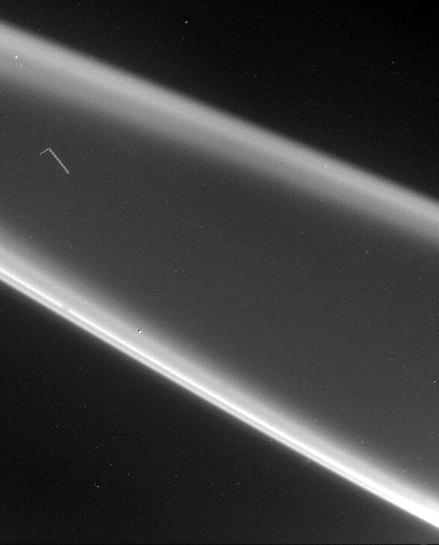
star trail
trail left by star as the Earth rotates during long exposure photograph
contact print
photographic image produced from film

bracketing
In photography, bracketing is the general technique of taking several shots of the same subject using different camera settings, typically with the aim of combining the images in postprocessing. Bracketing is useful and often recommended in situations that make it difficult to obtain a satisfactory image with a single shot, especially when a small variation in exposure parameters has a comparatively large effect on the resulting image. Given the time it takes to accomplish multiple shots, it is typically, but not always, used for static subjects. Autobracketing is a feature of many modern came
Dutch angle
type of camera shot

digiscoping
thumb|right|Spotting scope with a digital camera mounted afocally using an adapter.
thumbnail|Digiscoping waterfowl
thumb|Typical uncropped digiscope image; the spotting scope has 20x magnification. Camera focal length is 24 mm; distance to the subject is about 90 meters.
cross processing
procedure of deliberately processing photographic film
spirit photography
practice of claiming to capture supernatural entities in photos
focus stacking
digital image processing technique
low-key lighting
stage lighting style
diagonal method
tilt–shift photography
camera technique
Soft focus
lens flaw which forms images that are blurred
framing
type of presentation of visual elements in relation to other objects
exposure compensation
photographic technique

dark-frame subtraction
removal of dark current and fixed-pattern noise in long-exposure photography

photographic print toning
photographic technique
image stitching
combining multiple photographic images with overlapping fields of view
perspective control
procedure for composing or editing photographs to better conform with the commonly accepted distortions in constructed perspective
texture
perceived surface quality of a work of art
Sunny 16 rule
method of estimating exposure in photography

kite aerial photography
type of photography
Lucky imaging
form of speckle imaging used for astrophotography
burst mode
shooting mode in still camera
tilt
camera movement