Category
page 1Phototrophic bacteria

Cyanobacteria
Cyanobacteria ( ) are a group of autotrophic gram-negative bacteria of the phylum Cyanobacteriota that can obtain biological energy via oxygenic photosynthesis. Cyanobacteria apparently originated in a freshwater or terrestrial environment, and first appeared in the middle Archean eon. They are probably the most numerous taxon to have ever existed on Earth. The name "cyanobacteria" () refers to their bluish green (cyan) color, which forms the basis of cyanobacteria's informal common name, blue-green algae.
purple bacteria
Group of phototrophic proteobacteria

Halobacterium
Halobacterium (common abbreviation Hbt.), from Ancient Greek ἅλς (háls), meaning "salt", and "bacterium", is a genus in the family Halobacteriaceae.
Heliobacteriaceae
Heliobacteria are a unique subset of bacteria that process light for energy. Distinguishable from other phototrophic bacteria, they utilize a unique photosynthetic pigment, bacteriochlorophyll g and are the only known Gram-positive phototroph. They are a key player in symbiotic nitrogen fixation alongside plants, and use a type I reaction center like green-sulfur bacteria.
Chlorobium
Chlorobium is a genus of green sulfur bacteria. They are photolithotrophic oxidizers of sulfur and most notably utilise a noncyclic electron transport chain to reduce NAD+. Photosynthesis is achieved using a Type 1 Reaction Centre using bacteriochlorophyll (BChl) a. Two photosynthetic antenna complexes aid in light absorption: the Fenna-Matthews-Olson complex ("FMO", also containing BChl a), and the chlorosomes which employ mostly BChl c, d, or e. Hydrogen sulfide is used as an electron source and carbon dioxide its carbon source.

Rhodospirillum rubrum
Proteobacterium

Chloroflexia
The Chloroflexia are a class of bacteria in the phylum Chloroflexota. Chloroflexia are typically filamentous, and can move about through bacterial gliding. It is named after the order Chloroflexales.
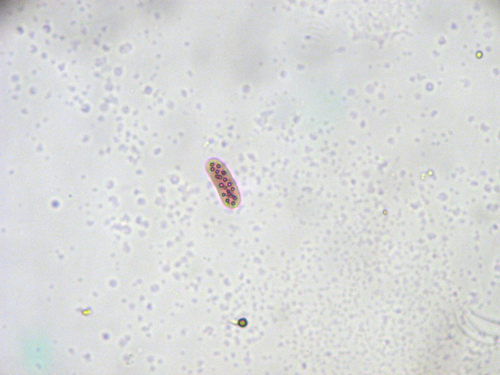
Chromatium
Chromatium is a genus of photoautotrophic Gram-negative bacteria which are found in water. The cells are straight rod-shaped or slightly curved. They belong to the purple sulfur bacteria and oxidize sulfide to produce sulfur which is deposited in intracellular granules of the cytoplasm.
Chloroflexus aurantiacus
species of bacterium
Chloroflexota
The Chloroflexota are a phylum of bacteria containing isolates with a diversity of phenotypes, including members that are aerobic thermophiles, which use oxygen and grow well in high temperatures; anoxygenic phototrophs, which use light for photosynthesis (green non-sulfur bacteria); and anaerobic halorespirers, which uses halogenated organics (such as the toxic chlorinated ethenes and polychlorinated biphenyls) as electron acceptors.

Green sulfur bacteria
phylum of bacteria
Rhodoferax
Rhodoferax is a genus of Betaproteobacteria belonging to the purple nonsulfur bacteria. Originally, Rhodoferax species were included in the genus Rhodocyclus as the Rhodocyclus gelatinous-like group. The genus Rhodoferax was first proposed in 1991 to accommodate the taxonomic and phylogenetic discrepancies arising from its inclusion in the genus Rhodocyclus. Rhodoferax currently comprises four described species: R. fermentans, R. antarcticus, R. ferrireducens, and R. saidenbachensis. R. ferrireducens, lacks the typical phototrophic character common to two other Rhodoferax species. This differe
sulfur-reducing bacteria
organisms which "breathe" sulfur
Rhodobacter capsulatus
species of bacterium