Category
page 1Picaresque novels

The Good Soldier Švejk
novel by the Czech author Jaroslav Hašek

The Golden Ass
Ancient Roman novel by Apuleius

picaresque novel
type of literature, usually involves a lower-class young protagonist, on his own, often making a journey

Satyricon
The Satyricon, Satyricon liber (The Book of Satyrlike Adventures), or Satyrica, is a Latin work of fiction believed to have been written by Gaius Petronius in the late 1st century AD, though the manuscript tradition identifies the author as Titus Petronius. The Satyricon is an example of Menippean satire, which is different from the formal verse satire of Juvenal or Horace. The work contains a mixture of prose and verse (commonly known as ); serious and comic elements; and erotic and decadent passages. As with The Golden Ass by Apuleius (also called the Metamorphoses), classical scholars often

The Egyptian
1945 novel by Finnish author Mika Waltari
The History of Tom Jones, a Foundling
1749 novel by Henry Fielding
.jpg)
Baudolino
Baudolino is a novel by Umberto Eco about the adventures of a man named Baudolino in the known and mythical Christian world of the 12th century.

maqāma
right|thumb|200px|The 7th Maqāma of Al-Hariri of Basra|Al-Hariri, illustration by [[Yahya ibn Mahmud al-Wasiti from the 1237 manuscript (BNF ms. arabe 5847).]]The maqāma (Arabic: مقامة [maˈqaːma], literally "assembly"; plural maqāmāt, مقامات [maqaːˈmaːt]) is an (originally) Arabic prosimetric literary genre of picaresque short stories originating in the tenth century C.E. The maqāmāt are anecdotes told by a fictitious narrator which typically follow the escapades of a roguish protagonist as the two repeatedly encounter each other in their travels. The genre is known for its literary and rhetor

The White Tiger
book by Aravind Adiga
Kvachi Kvachantiradze
1924 novel by Mikheil Javakhishvili
The Manuscript Found in Saragossa
unfinished novel by Jan Potocki
The Long Ships
Viking adventure novel by Frans G. Bengtsson (1944)

The Year of the Hare
1975 book by Arto Paasilinna
Tōkaidōchū Hizakurige
1802–1822 novel by Jippensha Ikku

Eva Luna
1987 novel by Isabel Allende
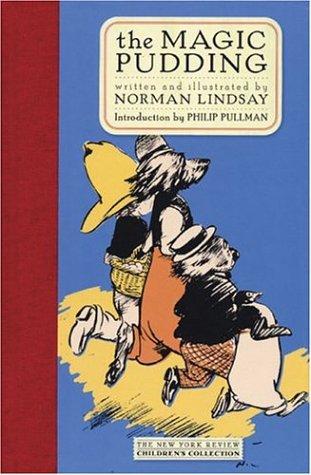
The Magic Pudding
1918 novel by Norman Lindsay

The Mangy Parrot
1816 novel by José Joaquín Fernández de Lizardi

The Adventurer
1948 novel by Mika Waltari
Fasana-e-Azad
Fasana-e-Azad (; , also romanized as Fasana-i-Azad) is an Urdu novel by Ratan Nath Dhar Sarshar. It was serialized in Avadh Akhbar between 1878 and 1883 before it was published in four large volumes by the Nawal Kishore Press. The story follows a wandering character named Azad and his companion, Khoji, from the streets of late-nineteenth-century Lucknow to the battlefields of the Russo-Turkish War (1877–1878) in Constantinople and Russia. The work's status as a novel has been debated, but it is thought by most scholars to be one of the first novels (or a proto-novel) in Urdu.

The Wanderer
1949 novel by Mika Waltari

The Howling Miller
1981 novel by Arto Paasilinna