Category
page 1Pierrot

Pagliacci
Pagliacci (; literal translation, 'Clowns') is an Italian opera in a prologue and two acts, with music and libretto by Ruggero Leoncavallo. The opera tells the tale of Canio, actor and leader of a commedia dell'arte theatrical company, who murders his wife Nedda and her lover Silvio on stage during a performance. Canio portrays on stage the character of Pagliaccio (Pierrot), while Nedda portays Pierrot's unfaithful lover Columbina.

Pierrot
thumb|250px|
Pierrot ( , ; ) is a stock character of pantomime and commedia dell'arte whose origins date back to the late 17th-century Italian troupe of players performing in Paris and known as the Comédie-Italienne. The name is a diminutive of Pierre (Peter), using the suffix -ot and derives from the Italian Pedrolino. His character in contemporary popular culture—in poetry, fiction, and the visual arts, as well as works for the stage, screen, and concert hall—is that of the sad clown, often pining for love of Columbine (who usually breaks his heart and leaves him for Harlequin). Performing u
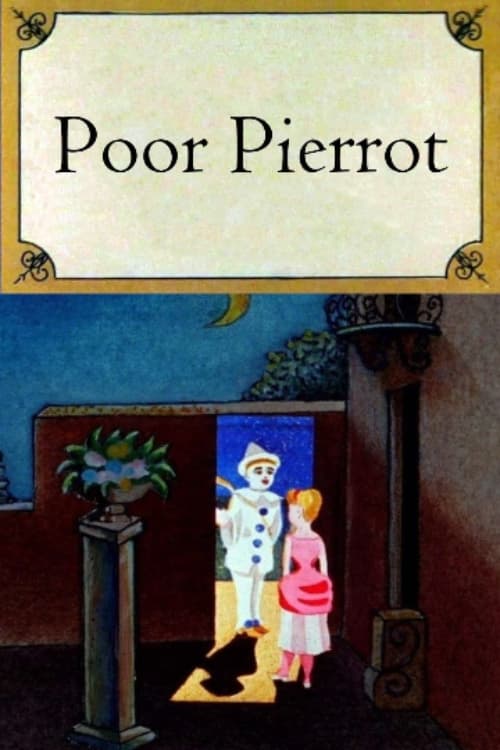
Pauvre Pierrot
1892 animated film directed by Charles-Émile Reynaud
Columbina
stock character in the Commedia dell'Arte
Pierrot Lunaire
musical setting by Arnold Schoenberg of 21 selected poems by Albert Giraud
Carnaval
work for piano composed by Robert Schumann
Three Musicians
set of two similar paintings painted Pablo Picasso in 1921
Pedrolino
thumb|Pedrolino scuffles with the Doctor, 1621
Pedrolino is a primo ('first') Zanni, or comic servant, of the commedia dell'arte; the name is a hypocorism of Pedro ('Peter'), via the suffix -lino. The character made its first appearance in the last quarter of the 16th century, apparently as the invention of the actor with whom the role was to be long identified, Giovanni Pellesini. Contemporary illustrations suggest that his white blouse and trousers constituted "a variant of the typical Zanni suit", and his Bergamasque dialect marked him as a member of the "low" rustic class. But if his costu
Harlequinade
thumb|An 1890 bookcover showing the harlequinade characters
Harlequinade is an English comic theatrical genre, defined by the Oxford English Dictionary as "that part of a pantomime in which the harlequin and clown play the principal parts". It developed in England between the 17th and mid-19th centuries. It was originally a slapstick adaptation or variant of the ''commedia dell'arte'', which originated in Italy and reached its apogee there in the 16th and 17th centuries. The story of the Harlequinade revolves around a comic incident in the lives of its five main characters: Harlequin, who love
Les Millions d'Arlequin
ballet by Marius Petipa