Category
page 1Plant intelligence

Dionaea muscipula
carnivorous plant

action potential
process by which neurons communicate with each other by changes in their membrane potentials.
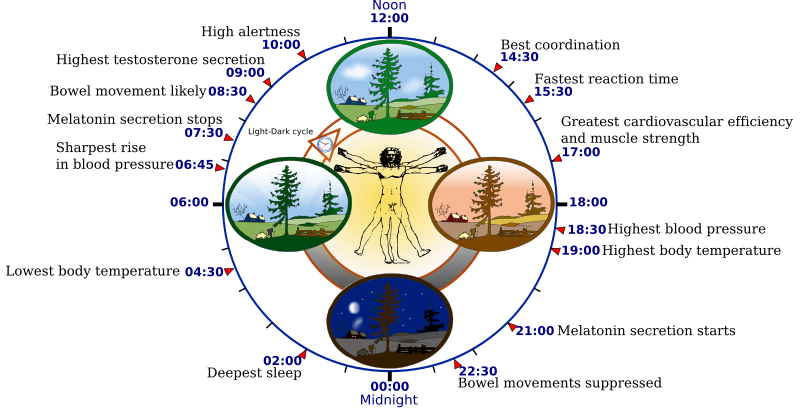
circadian rhythm
natural internal process that regulates the sleep-wake cycle

stimulus
in physiology, a detectable change in the internal or external surroundings

Arabidopsis thaliana
species of plant
biosemiotics
Biosemiotics (from the Greek βίος bios, "life" and σημειωτικός sēmeiōtikos, "observant of signs") is a field of semiotics and biology that studies the prelinguistic meaning-making, biological interpretation processes, production of signs and codes and communication processes in the biological realm.

cryptochrome
Cryptochromes (from the Greek κρυπτός χρώμα, "hidden colour") are a class of flavoproteins found in plants and animals that are sensitive to blue light. They are involved in the circadian rhythms and the sensing of magnetic fields in a number of species. The name cryptochrome was proposed as a portmanteau combining the chromatic nature of the photoreceptor, and the cryptogamic organisms on which many blue-light studies were carried out.
plant rights
notion of rights to which plants may be entitled

radicle
thumb|right|250px|Seed of Scouler's willow (Salix scouleriana)
In botany, the radicle is the first part of a seedling to emerge from the seed, during the process of germination. Germination understood as a biomechanical process describes the radicle with the hypocotyl combined as the embryonic axis in the seed. The radicle emerges from a seed through the micropyle.
rapid plant movement
movement in plant structures occurring over a very short period, usually under one second
biocommunication
specific type of communication within (intraspecific) or between (interspecific) species of plants, animals, fungi, protozoa and microorganisms

thigmonasty
right|thumb|Mimosa pudica in normal and touched state.
plant cognition
proposed cognition of plants
phytosemiotics
Phytosemiotics is a branch of biosemiotics that studies the sign processing capabilities present in plants. Some functions that plants perform that utilize this simple semiosis includes cellular recognition, plant perception, intercellular communication, and plant signal transduction. Comparative to the sign processing present in animals and humans, phytosemiotics occurs at the cellular level, with communication between the cells of plants acting as a means of observing their surroundings and making rudimentary decisions.

Martin Krampen
German academic (1928-2015)
cognitive biology
emerging science