Category
page 1Plant subclasses

Rosidae
thumb|typical flower
Under the International Code of Nomenclature for algae, fungi, and plants (ICN), Rosidae is a botanical name at the rank of subclass. Circumscription of the subclass will vary with the taxonomic system being used; the only requirement being that it includes the family Rosaceae.
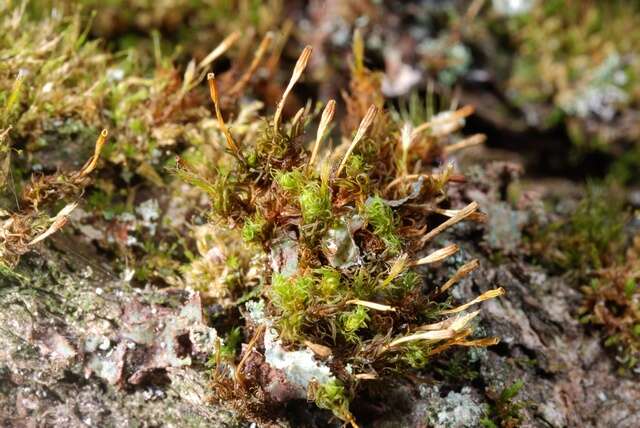
Bryidae
Bryidae is an important subclass of Bryopsida. It is common all over the world. Members have a double peristome with alternating tooth segments.
Hamamelididae
Hamamelididae is an obsolete botanical name at the rank of subclass.
Because some hamamelidid members bear aments (i.e., catkins), this subclass has been formerly known as Amentiferae. Based on molecular phylogeny works, Hamamelididae appears to be a polyphyletic group.
Dicranidae
The Dicranidae are a widespread and diverse subclass of mosses in class Bryopsida, with many species of dry or disturbed areas. They are distinguished by their spores; the peristome teeth are haplolepidous with a 4:2:3 formula, and an exostome is absent.
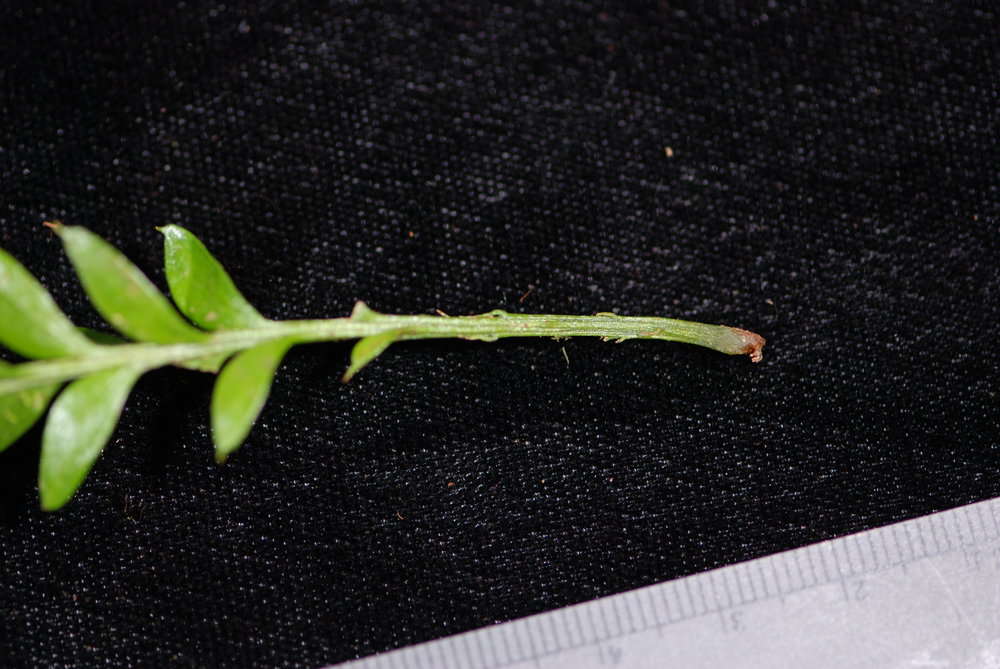
Ophioglossidae
Ophioglossidae is one of the four subclasses of Polypodiopsida (ferns). This subclass consists of the ferns commonly known as whisk ferns, grape ferns, adder's-tongues and moonworts. It is equivalent to the class Psilotopsida in previous treatments, including Smith et al. (2006). The subclass contains two orders, Psilotales and Ophioglossales, whose relationship was only confirmed by molecular phylogenetic studies.
Funariidae
The Funariidae are a widespread group of mosses in class Bryopsida. The majority of species belong to the genera Funaria (c. 200 species) and Physcomitrium (c. 80 species).

Equisetidae
Equisetidae is one of the four subclasses of Polypodiopsida (ferns), a group of vascular plants with a fossil record going back to the Devonian. They are commonly known as horsetails. They typically grow in wet areas, with whorls of needle-like branches radiating at regular intervals from a single vertical stem.
Buxbaumiidae
REDIRECT Buxbaumia
Pinidae
Pinidae is a subclass of Equisetopsida in the sense used by Mark W. Chase and James L. Reveal in their 2009 article "A phylogenetic classification of the land plants to accompany APG III." This subclass comprises the conifers. The Pinidae subclass is equivalent to the division Pinophyta and class Pinopsida of previous treatments. There are over 600 species of Pinidae all over the world.
Ranunculidae
Ranunculidae is a subclass of flowering plants (Angiosperms) used in some taxonomic systems such as the Takhtajan system or Reveal system. By necessity it includes the order Ranunculales, but otherwise it differs between taxonomic systems. More recent classification systems such as the Angiosperm Phylogeny Group do not use subclasses for Angiosperms.