Category
page 1Plantaginaceae

Plantaginaceae
Plantaginaceae, the plantain family or veronica family, is a large, diverse family of flowering plants in the order Lamiales that includes common flowers such as snapdragon and foxglove. It is unrelated to the banana-like fruit also called "plantain". In older classifications, Plantaginaceae was the only family of the order Plantaginales, but numerous phylogenetic studies, summarized by the Angiosperm Phylogeny Group, have demonstrated that this taxon should be included within Lamiales.

Bacopa monnieri
species of plant

Hippuris vulgaris
species of plant

Cymbalaria muralis
Southern European species of toadflax

Cymbalaria
Cymbalaria is a genus of about 10 species of herbaceous perennial plants previously placed in the family Scrophulariaceae, but recently shown by genetic research to be in the much enlarged family Plantaginaceae.
Bacopa
Bacopa is a genus of 60 aquatic plants belonging to the family Plantaginaceae. It is commonly known as waterhyssop (or water hyssop, though this is more misleading as Bacopa is not very closely related to hyssop but simply has a somewhat similar appearance).

Hippuris
Hippuris, the '''mare's tail, was previously the sole genus in the family Hippuridaceae'''. Following genetic research by the Angiosperm Phylogeny Group, it has now been transferred to the family Plantaginaceae, with Hippuridaceae being reduced to a synonym of Plantaginaceae.

Chelone
genus of plants

Chaenorhinum minus
species of plant

Angelonia
Angelonia is a genus of flowering plants in the family Plantaginaceae. It comprises about 30 species which occur from Mexico to Argentina. Species of the genus Angelonia are herbaceous plants occurring mainly in arid and semi-arid habitats. Most species can be found in north-eastern Brazil in the seasonally-dry tropical forest Caatinga. The flowers of Angelonia species are highly specialized for pollination because they have hairs in the inner corolla, which produces oils collected by oil bee pollinators, especially of the genus Centris.

Scoparia dulcis
species of plant

Russelia
Russelia is a genus of flowering plants in the plantain family, Plantaginaceae. It is sometimes placed in the families Scrophulariaceae or Veronicaceae. The name honours Scottish naturalist Alexander Russell (1715–1768). Members of the genus are commonly known as firecracker plants or coralblows. Russelia species grow in many parts of the world and are mildly drought resistant.
Chaenorhinum
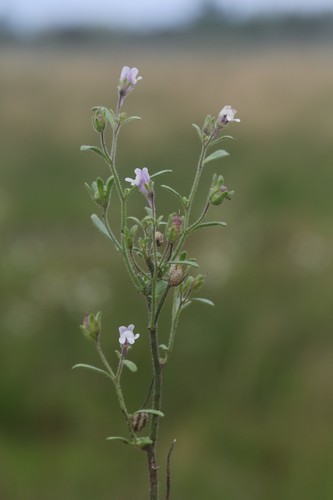
Chaenorhinum is a genus of flowering plants. It includes 27 species of annual and perennial herbs native to the Mediterranean Basin, Europe, and western Asia to the western Himalayas. They thrive in dry stony areas and scree. They are closely related to snapdragons. The leaves are linear to oblong or rounded, opposite at the base. The flowers resemble snapdragons, being typically zygomorphic, hooded, lobed and spurred. They are borne in terminal racemes or singly in the leaf axils of the branching stems.

Littorella uniflora
species of plant

Erinus
Erinus is a genus of flowering plants in the family Plantaginaceae (previously in the family Scrophulariaceae), native to stony mountainous sites in North Africa and southern Europe. Some members of the genus have been cultivated as ornamental plants, particularly Erinus alpinus, for which a number of different cultivars are available.

Russelia equisetiformis
species of plant

Littorella
Littorella is a genus of two to three species of aquatic plants. Many plants live their entire lives submersed, and reproduce by stolons, but some are only underwater for part of the year, and flower when they are not underwater.

Asarina
Asarina is a flowering plant genus of only one species, Asarina procumbens Mill. the trailing snapdragon, which is native to France and Spain and introduced in Germany, Switzerland, Austria and Hungary. Originally placed in the Scrophulariaceae (figwort family), the genus has more recently been moved to the Plantaginaceae (plantain family). Species from North America formerly placed in the genus Asarina are now placed in Holmgrenanthe, Lophospermum, Mabrya and Maurandya, as well as Neogaerrhinum. Asarina is now regarded as exclusively an Old World genus.

Erinus alpinus
species of plant
Limnophila
genus of plants

Limnophila aromatica
species of plant

Anarrhinum
Anarrhinum is a genus of flowering plants belonging to the family Plantaginaceae.

Maurandya
Maurandya is a genus of flowering plants in the family Plantaginaceae, native to Mexico and the south west United States (from California to central Texas). They sprawl or climb by means of twining leaf stalks. One of the four species, Maurandya barclayana, is widely cultivated as an ornamental plant.
Adenosma
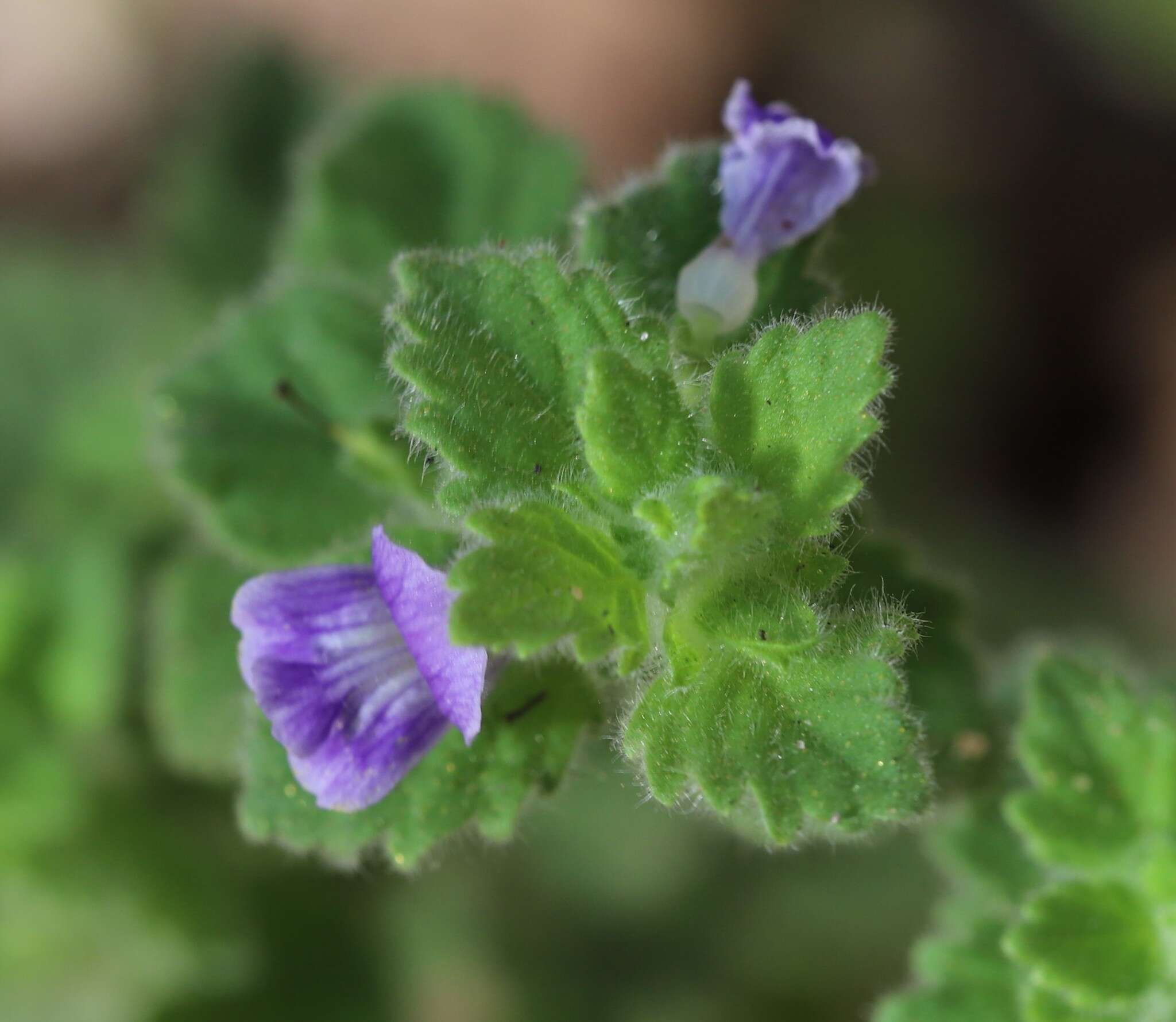
Adenosma is a genus of flowering plants belonging to the family Plantaginaceae.

Bacopa caroliniana
species of plant

Scoparia
genus of plants
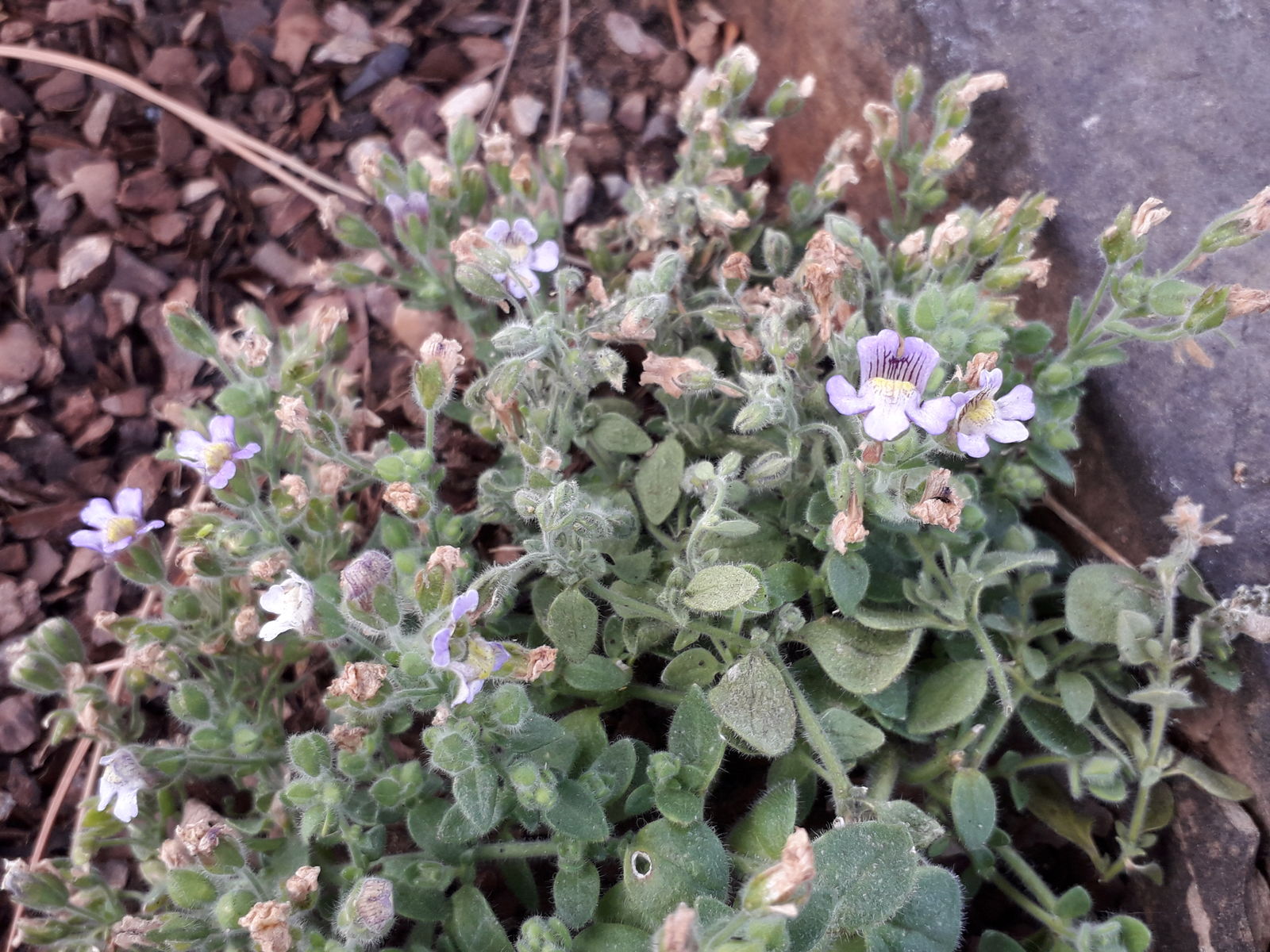
Chaenorhinum origanifolium
species of plant
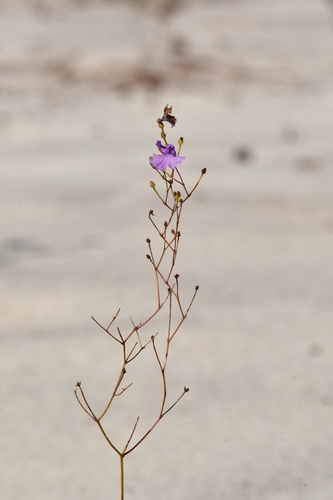
Philcoxia
Philcoxia is a genus of seven rare plant species in the Plantaginaceae that are endemic to Brazil and resemble terrestrial species of the genus Utricularia. The genus, formally described in 2000, consists of the species P. bahiensis, P. goiasensis, P. minensis, P. tuberosa, P. rhizomatosa, P. maranhensis and P. courensis, each of the first three named for the Brazilian state to which it is endemic. The species are characterized by subterranean stems, peltate leaves at or below the soil surface, and five-lobed calyces. Their habitat has been reported as areas of white sand in the midst of cerra
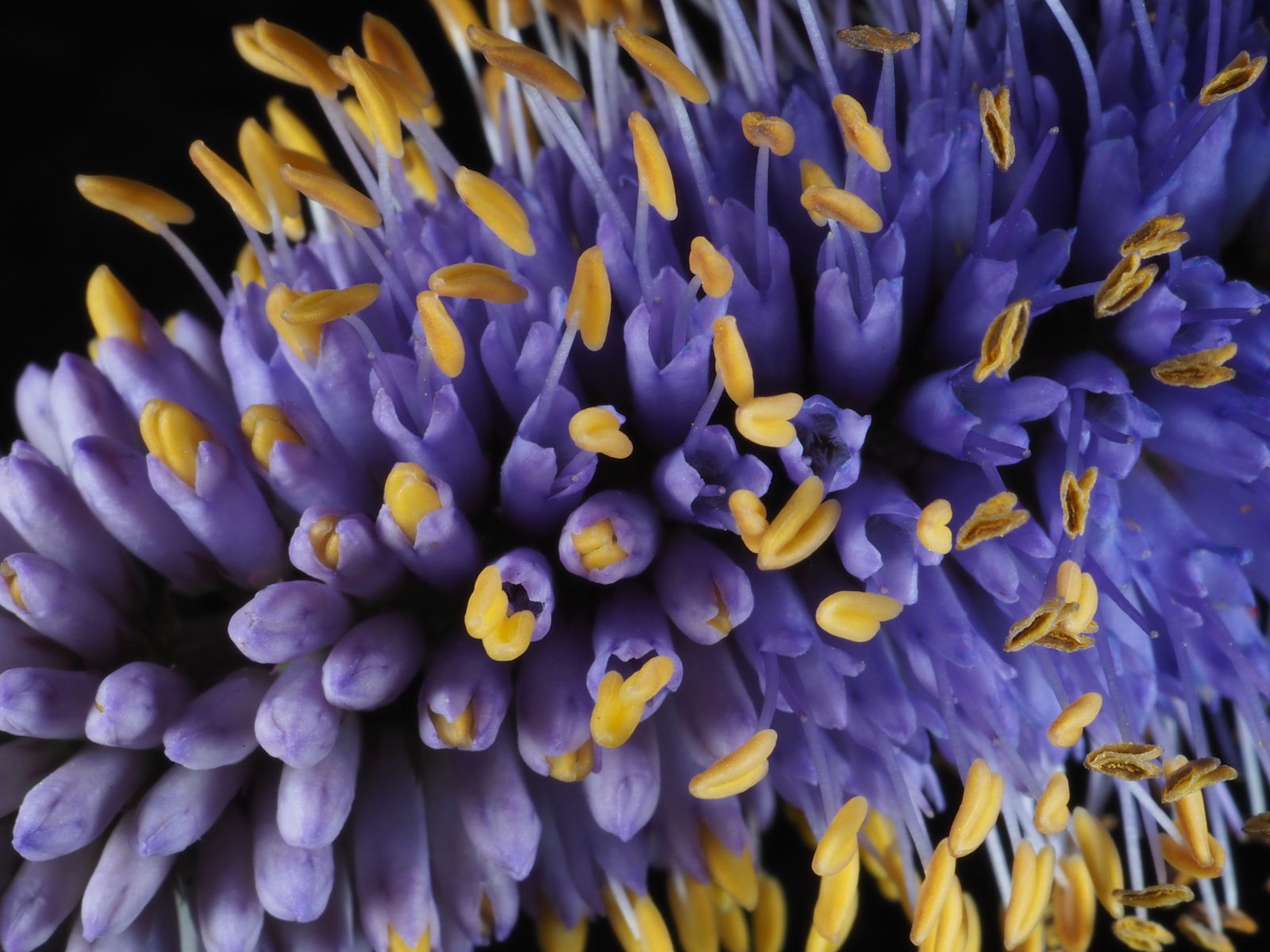
Veronicastrum
Veronicastrum is a genus of flowering plants in the family Plantaginaceae. In some taxonomy systems, Veronicastrum species have been placed within the genus Veronica. The most commonly cultivated species is Veronicastrum virginicum, which is native to the Eastern parts of North America. Veronicastrum has previously been part of the family Scrophulariaceae. However, following recent genetic studies, several genera were transferred to other families including Veronicastrum, transferred to Plantaginaceae.
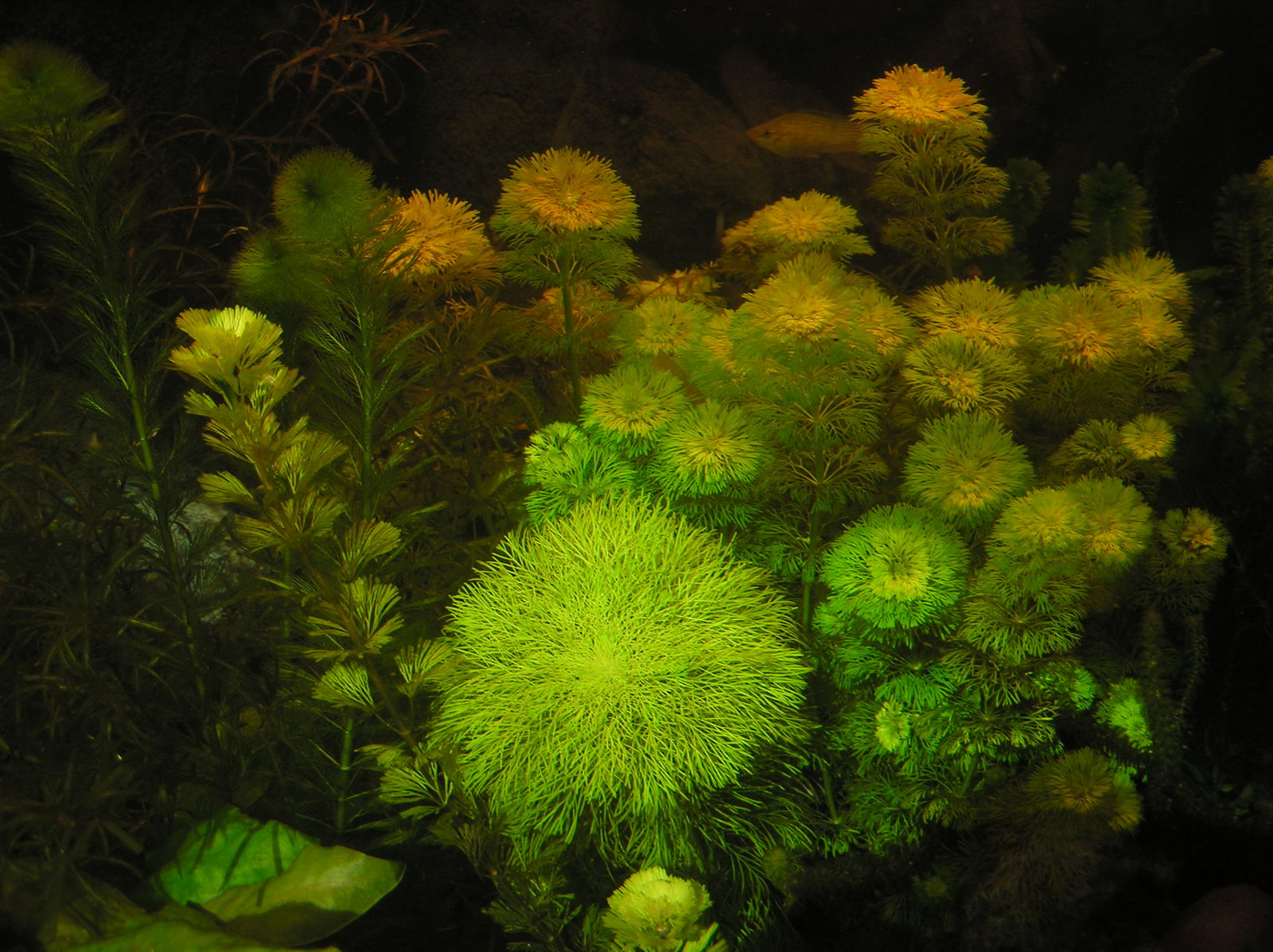
Limnophila sessiliflora
species of plant

Wulfenia
Wulfenia is a plant genus in the family Plantaginaceae. The genus was named after Franz Xaver von Wulfen (1728–1805), an Austrian botanist, zoologist, mineralogist, alpinist, and Jesuit priest. It was first described in 1781 by Nikolaus Joseph von Jacquin in . It is also in Tribe Veroniceae.

Lagotis
genus of plants

Rhodochiton
Rhodochiton is a genus of flowering plants within the family Plantaginaceae, native to southern Mexico and neighbouring Guatemala. They climb by means of twining leaf stalks. One of the three species, Rhodochiton atrosanguineus, the purple bell vine, is grown as an ornamental plant. All three species are sometimes included in Lophospermum.

Matourea
thumb|right
Matourea is a genus in the family Plantaginaceae. It includes nine species native to tropical South America and Nicaragua. The name Matourea refers to the town of Matoury (French Guiana).

Mecardonia procumbens
species of plant

Paederota
Paederota is a genus of flowering plants in the family Plantaginaceae. It includes two species native to the eastern Alps of Austria, Italy, and Slovenia.
Paederota bonarota
Paederota lutea
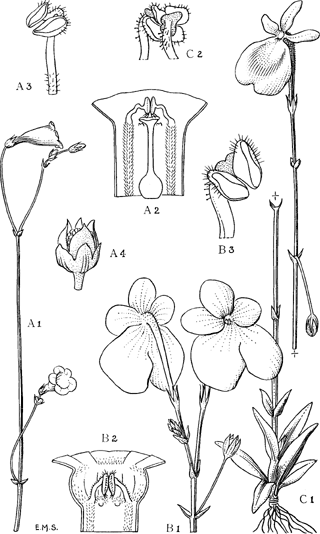
Dopatrium
Dopatrium is a genus of flowering plants belonging to the family Plantaginaceae.
Chelone obliqua
species of plant
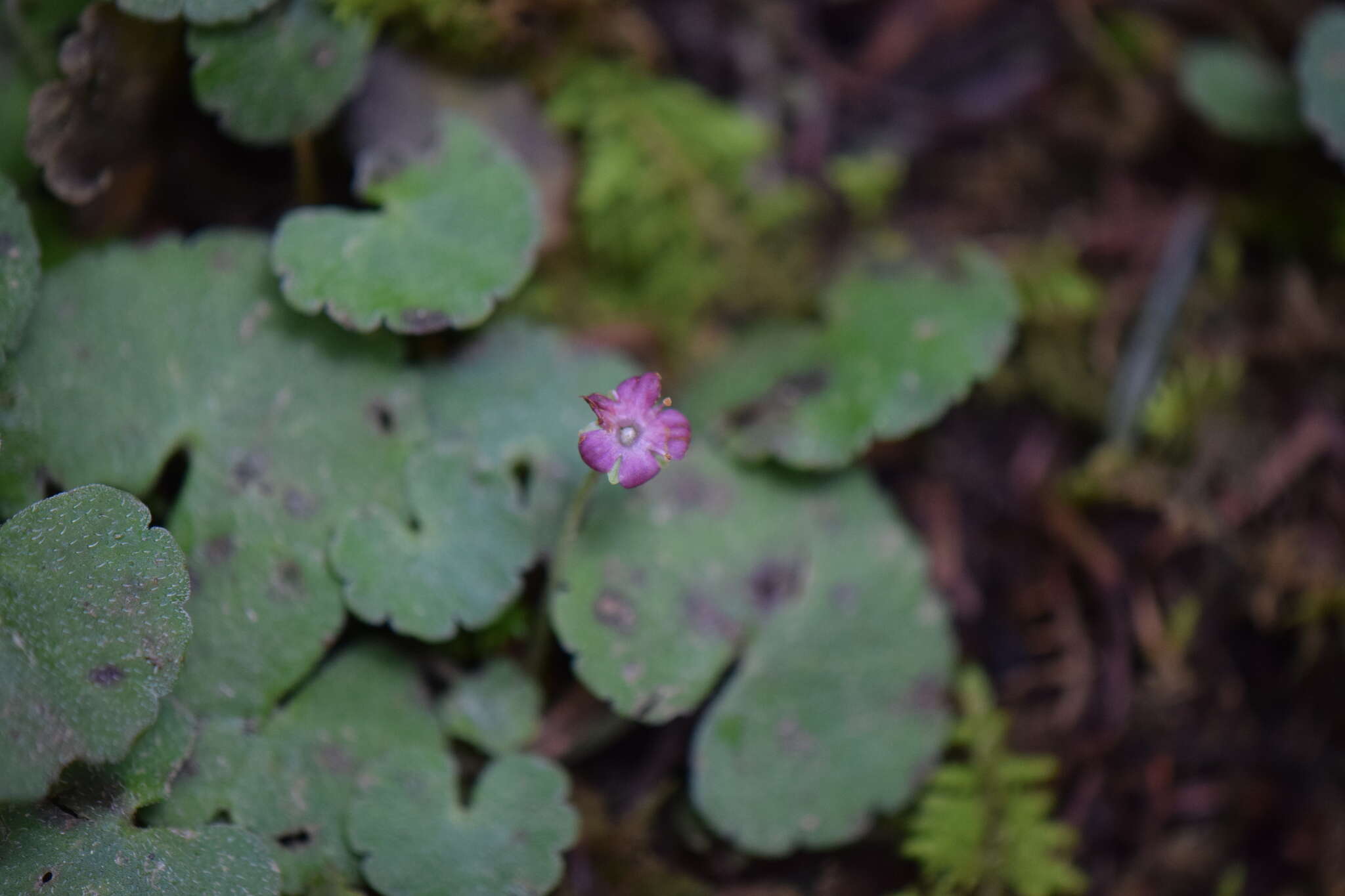
Sibthorpia
Sibthorpia is a genus of flowering plants in the family Plantaginaceae, with a peculiar distribution in the mountains of North America, South America and Africa, and the coasts of Europe.
%20(6303367471).jpg)
Mecardonia
thumb|Mecardonia acuminata subsp. peninsularis

Stemodia
Stemodia is a genus of flowering plants in the family Plantaginaceae. The genus comprises approximately 45 species of annual and perennial herbs and shrubs which are distributed through tropical and temperate regions of the Americas, sub-Saharan Africa, the Indian subcontinent, and Australia. This genus is sometimes placed in the families Scrophulariaceae or Gratiolaceae. The generic name is derived from the Latin word stemodiacra, which means "stamens with two tips." Twintip is a common name for several species.

Antirrhineae
The Antirrhineae are one of the 12 tribes of the family Plantaginaceae. It contains the toadflax relatives, such as snapdragons.
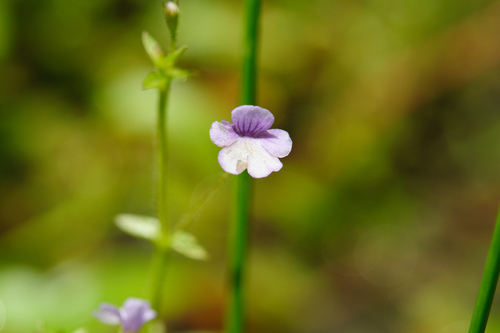
Deinostema
Deinostema is a genus of flowering plants belonging to the family Plantaginaceae.

Tetranema
Tetranema is a genus of flowering plants in the family Plantaginaceae, native to Mexico and Central America. There has been some taxonomic debate over its family placement, with Gesneriaceae and Scrophulariaceae having been proposed.

Veronicastrum sibiricum
species of plant

Monttea
Monttea is a genus of flowering plants belonging to the family Plantaginaceae.
Neogaerrhinum
Neogaerrhinum is a genus of the family Plantaginaceae, and is one of a group of plants commonly known as 'snapdragons'. It has two accepted species and includes species formerly considered as New World members of Antirrhinum.

Chelone glabra
species of plant
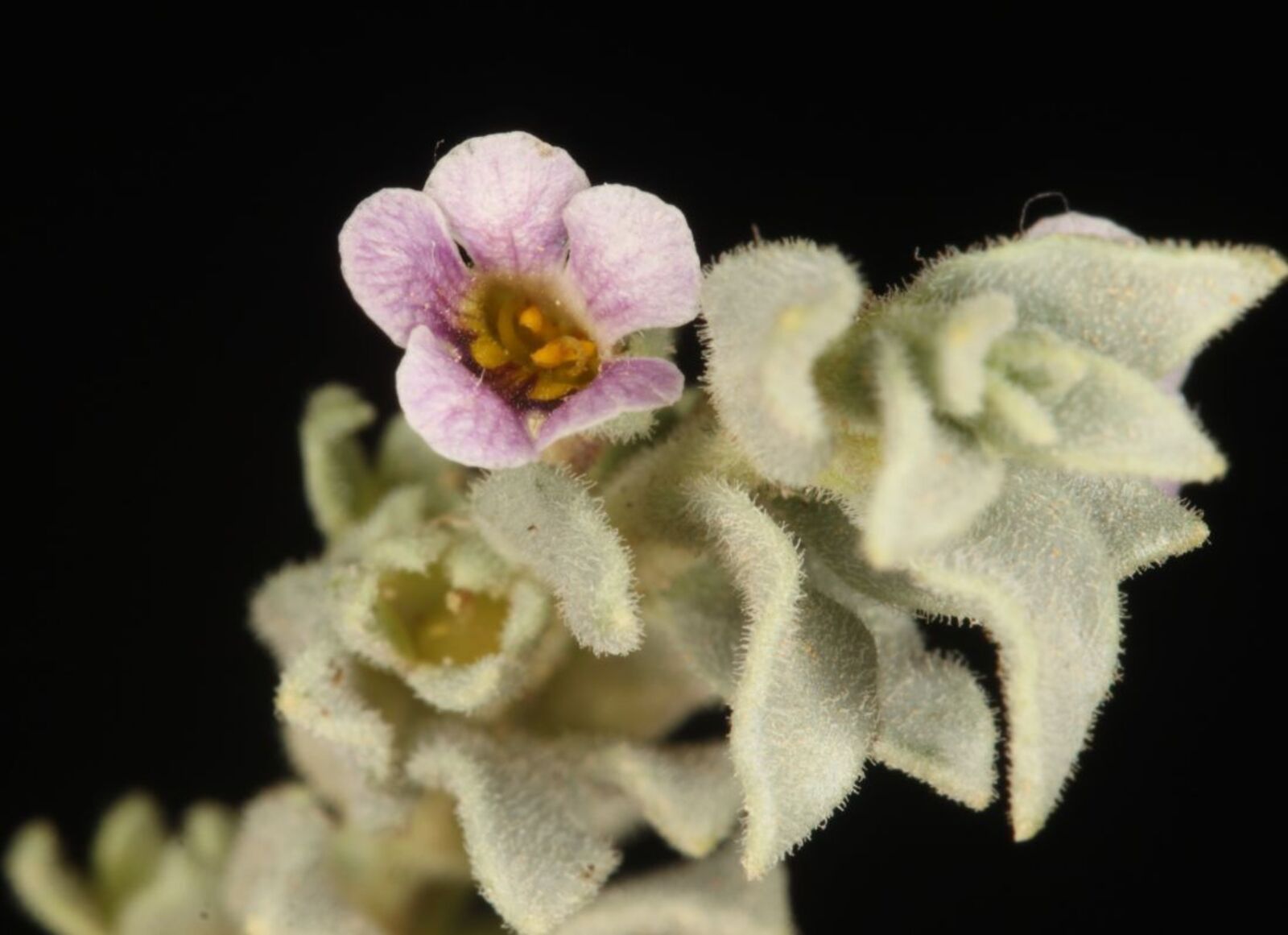
Melosperma
Melosperma andicola is a species of flowering plant belonging to the family Plantaginaceae. It is the sole species in genus Melosperma.

Albraunia
Albraunia is a genus of flowering plants belonging to the family Plantaginaceae.

Veronicastrum virginicum
species of plant
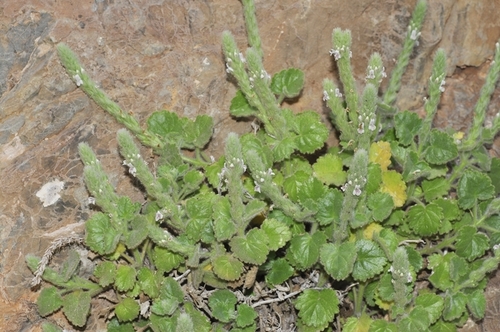
Lafuentea
Lafuentea is a genus of flowering plants belonging to the family Plantaginaceae.
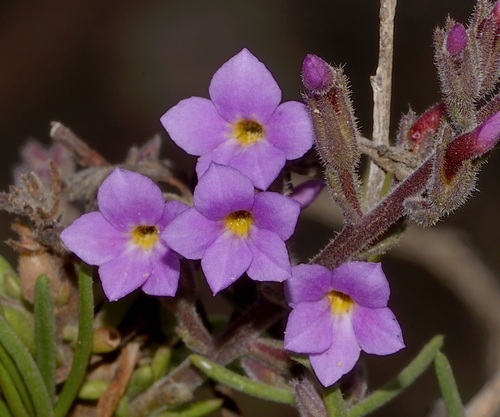
Campylanthus
Campylanthus is a genus of flowering plants belonging to the family Plantaginaceae.

Tonella
Tonella is a genus of flowering plants belonging to the family Plantaginaceae.
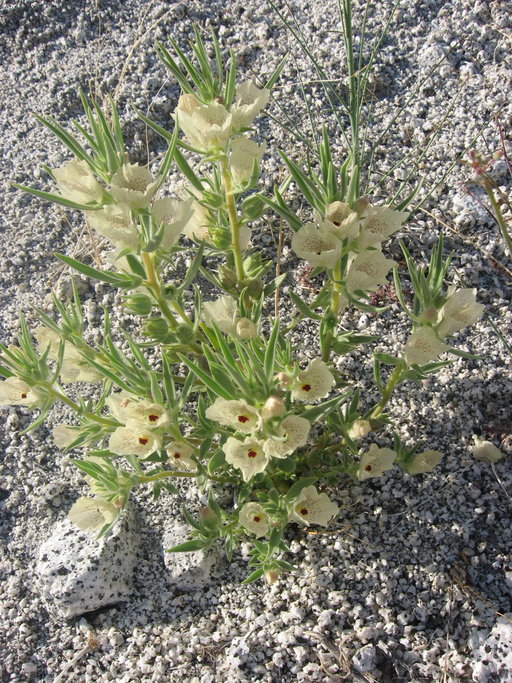
Mohavea
Mohavea is a plant genus consisting of two species native to the deserts of the southwestern United States and northern Mexico. This genus is often included in the closely related snapdragon genus Antirrhinum.
Sairocarpus
Sairocarpus is a genus of the family Plantaginaceae, and is one of a group of plants commonly known as 'snapdragons'. It has ten accepted species and is being considered to include many species formerly considered as New World species of Antirrhinum.

Philcoxia bahiensis
species of plant

Stemodia durantifolia
species of plant

Basistemon
Basistemon is a genus of flowering plants belonging to the family Plantaginaceae. It includes eight species native to South America, ranging from Colombia and Venezuela to northern Argentina.
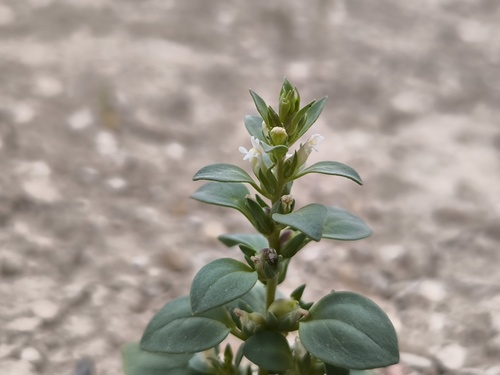
Holzneria
Holzneria is a genus of flowering plants belonging to the family Plantaginaceae.