Category
page 1Pliocene primates

Homo erectus
species of archaic humans believed to be extinct in a pure form
.JPG)
Australopithecus
Australopithecus (, ; or , , ) is a genus of early hominins that existed in Africa during the Pliocene and Early Pleistocene. The genera Homo (which includes modern humans), Paranthropus, and Kenyanthropus evolved from some Australopithecus species. Australopithecus is a member of the subtribe Australopithecina, which sometimes also includes Ardipithecus, though the term "australopithecine" is sometimes used to refer only to members of Australopithecus. Species include A. garhi, A. africanus, A. sediba, A. afarensis, A. anamensis, A. bahrelghazali, and A. deyiremeda. Debate exists as to whethe

Australopithecus afarensis cumio
extinct hominid
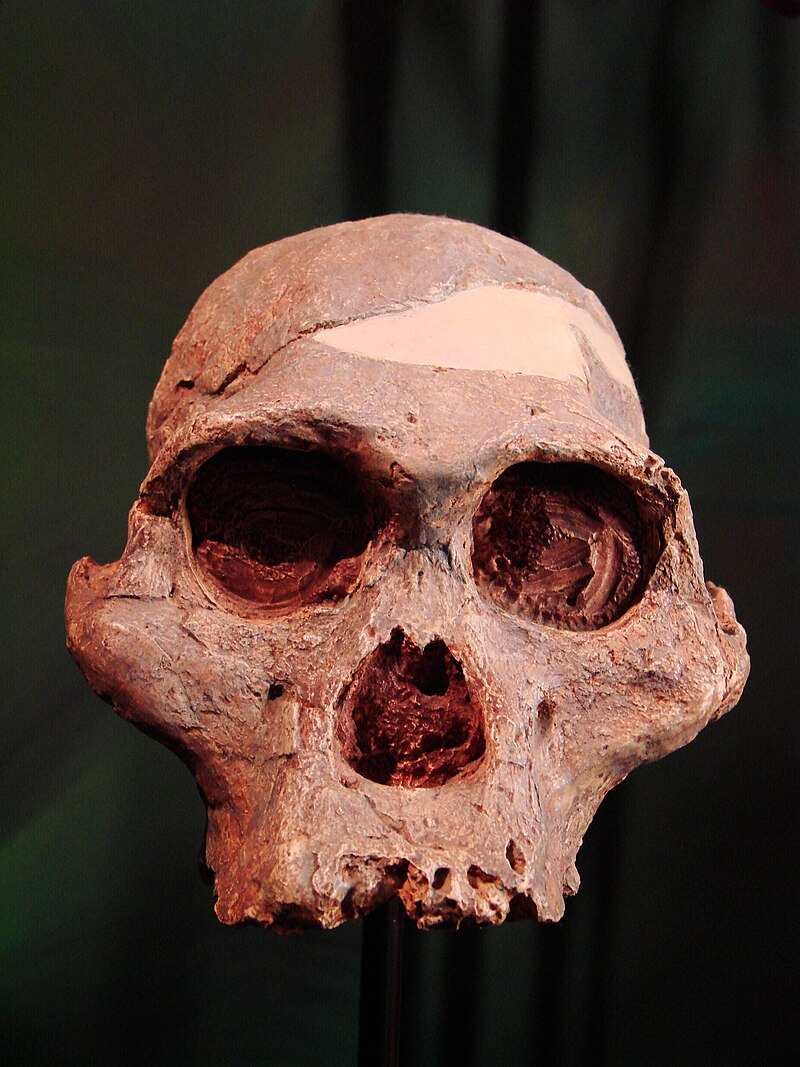
Australopithecus africanus
extinct hominid from South Africa

Paranthropus
Paranthropus is a genus of extinct hominin which contains two widely accepted species: P. robustus and P. boisei. However, the validity of Paranthropus is contested, and it is sometimes considered to be synonymous with Australopithecus. They are also referred to as the robust australopithecines. They lived between approximately 2.9 and at least 1 million years ago (mya) from the end of the Pliocene to the Middle Pleistocene.
.svg)
Ardipithecus
Ardipithecus is a genus of an extinct hominine that lived during the Late Miocene and Early Pliocene epochs in the Afar Depression, Ethiopia. Originally described as one of the earliest ancestors of humans after they diverged from the last common ancestor shared with chimpanzees, the relation of this genus to human ancestors and whether it is a hominin is now a matter of debate. Two fossil species are described in the literature: A. ramidus, which lived about 4.4 million years ago during the early Pliocene, and A. kadabba, dated to approximately 5.6 million years ago (late Miocene).
Australopithecus anamensis
Hominin species
Australopithecus robustus
species of mammal
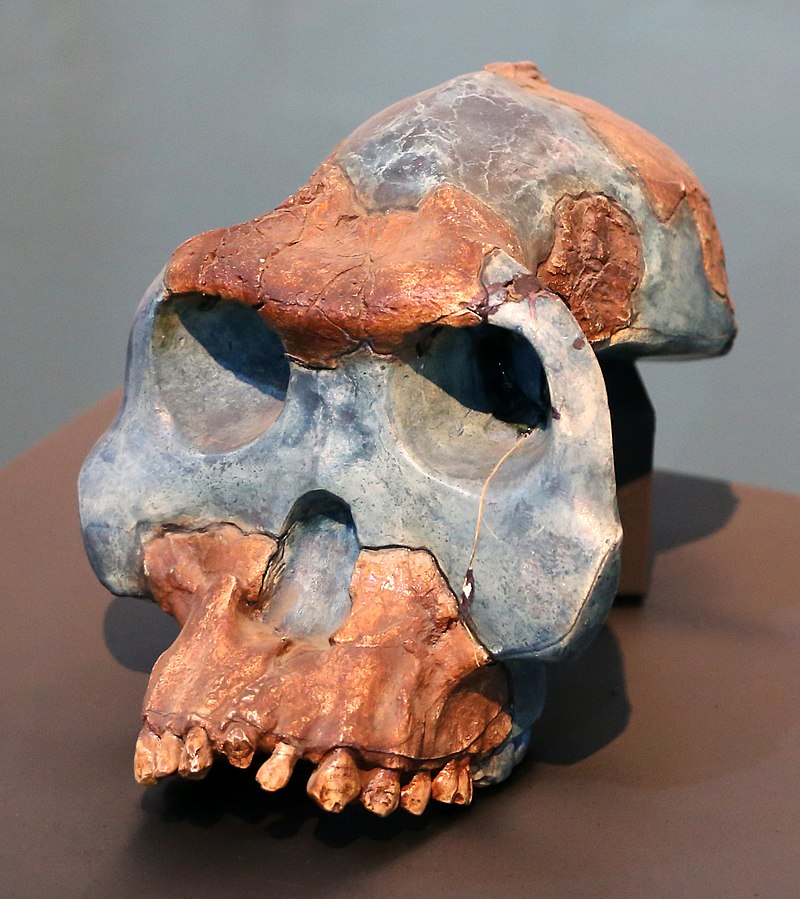
Australopithecus garhi
extinct hominid species

Paranthropus boisei
species of mammal
Australopithecus bahrelghazali
species of human

Paranthropus aethiopicus
species of mammal
Ardipithecus ramidus
species of mammal (fossil)
Ardipithecus kadabba
miocene hominid

Orrorin
Orrorin is an extinct genus of great ape within the tribe of Hominini from the Miocene Lukeino Formation and Pliocene Mabaget Formation, both of Kenya.
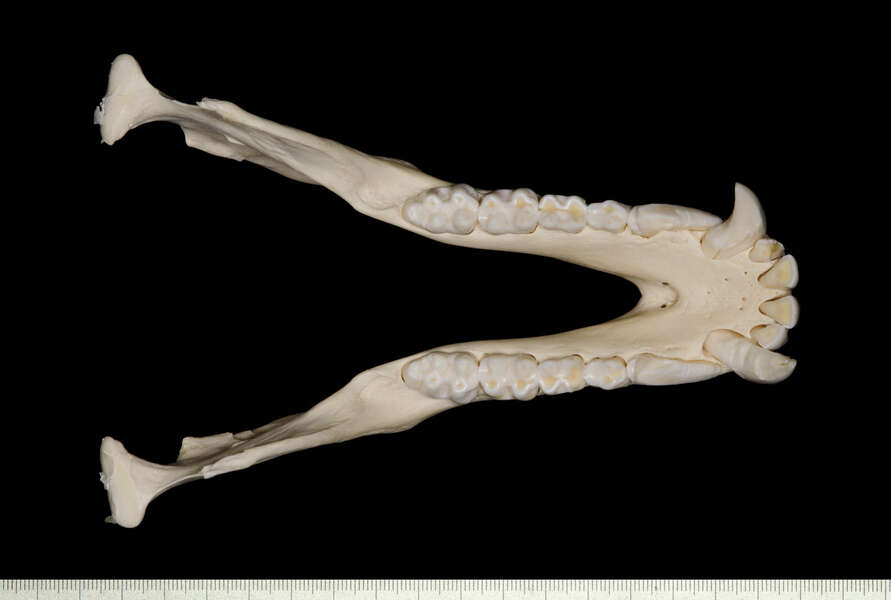
Papionini
Papionini is a tribe of Old World monkeys that includes several large monkey species, which include the macaques of North Africa and Asia, as well as the baboons, geladas, mangabeys, kipunji, drills, and mandrills, which are essentially from sub-Saharan Africa (although some baboons also occur in southern Arabia). It is typically divided into two subtribes: Macacina for the genus Macaca and its extinct relatives and the Papionina for all other genera.
Australopithecus deyiremeda
hominid species

Kenyanthropus
Kenyanthropus ('man from Kenya') is a genus of extinct hominin identified from the Lomekwi site by Lake Turkana, Kenya, dated to 3.3 to 3.2 million years ago during the Middle Pliocene. It contains one species, K. platyops, but may also include the two-million-year-old Homo rudolfensis, or K. rudolfensis. Before its naming in 2001, Australopithecus afarensis was widely regarded as the only australopithecine to exist during the Middle Pliocene, but Kenyanthropus evinces a greater diversity than once acknowledged. Kenyanthropus is most recognisable by an unusually flat face and small teeth for s
Mesopithecus
Mesopithecus ("middle monkey" for being between Hylobates and Semnopithecus in build) is an extinct genus of Old World monkey belonging to the subfamily Colobinae that lived in Eurasia during the Late Miocene and Pliocene epochs, around 8.2-2.6 million years ago.
== Description ==
Mesopithecus had a body length of about , possessing a slender body with long, muscular limbs and flexible fingers.
Dinopithecus
Dinopithecus ("terrible ape") is an extinct genus of medium to large sized cercopithecoid primates, closely related to baboons, that lived during the Pliocene and Pleistocene epochs in South Africa and Ethiopia. It was named by British paleontologist Robert Broom in 1937. The only species currently recognized is Dinopithecus ingens, as D. quadratirostris has been reassigned to the genus Soromandrillus. It is known from several infilled cave sites in South Africa, all of early Pleistocene age, including Skurweberg, Swartkrans (Member 1), and Sterkfontein (Member 4 or 5, but probably member 4).

Pliopithecus
thumb|left|Pliopithecus antiquus jaw seen from above
Pliopithecidae
The family Pliopithecidae is an extinct family of fossil catarrhines and members of the Pliopithecoidea superfamily.
Dendropithecidae
The family Dendropithecidae is an extinct family of catarrhine apes. They date from the Early Miocene, around 20-12 million years ago.
Dmanisi skull
1.8 million years old homo erectus skull
Dolichopithecus
Dolichopithecus is an extinct genus of Old World monkey that lived in Europe during the Late Miocene and Pliocene.
Theropithecus darti
species of mammal (fossil)
Theropithecus brumpti
species of mammal